February 3, 2026
How do you request maintenance without it becoming a conflict?
8/4/2022
February 4, 2026
February 4, 2026

When something breaks in your rental home, whether it's a leaking faucet, a faulty boiler or a jammed door it can be quite stressful. You want it resolved quickly, but you also don't want to risk the good relationship with your host. Many tenants postpone asking for maintenance because they are afraid of being seen as “difficult” or because they fear confrontation.
However, it is important to remember that maintenance is not only in your interest, but also in that of the landlord. By reporting a defect in time, you prevent minor problems from turning into major, expensive damage. The key to smooth processing lies in the way you communicate: business, clear and solution-oriented. Here you can read how to approach this without creating tensions.
Do you know your rights and obligations: Who pays what?
Before contacting your landlord, it's a good idea to know who's legally responsible for the repair. Indeed, a large part of the conflicts are caused by a lack of clarity about the costs. In the Netherlands, the distribution is generally quite simple:
- The landlord: Is responsible for major maintenance and repairs to the structure of the home (roof, walls, frames) and the technical installations (boiler, sanitary, electricity).
- The tenant: Is responsible for “minor repairs”. Think of replacing a light, screwing in a loose door handle or venting the radiator.
When you are sure that the defect is the responsibility of the landlord, you can start the conversation with more confidence. You are not asking for a favor, but you are asking the landlord to fulfill his contractual obligations.
The power of a written report
Although it's tempting to just send a quick app or call the host, a formal email notification is almost always better. This has nothing to do with distrust, but everything to do with clarity.
In an email, you can describe the problem objectively without letting emotions get the better of you. In addition, this allows you to build a file immediately. Should the repair take longer than expected, you will always have proof of when you first reported the defect. Keep your message short and to the point:
- Describe what's broken.
- Indicate when the problem has occurred since.
- Attach photos or a short video of the defect. This saves the landlord a ride to come and see and ensures that he can immediately send the right professional.

Be reasonable in your expectations
Conflicts between tenants and landlords often arise when expectations about repairs and response times are not aligned. Not every issue in a rental property requires the same level of urgency, and understanding this difference can help maintain a positive relationship. Serious problems such as a leaking roof, a burst pipe, or water coming through the ceiling are considered urgent repairs. In situations like these, it is reasonable for a tenant to expect a quick response, sometimes within a few hours, because the damage can worsen quickly and affect the safety or livability of the home.
However, many maintenance issues are less urgent and can reasonably be scheduled for a later time. For example, a kitchen cabinet that does not close properly, a loose door handle, or a small cosmetic defect usually does not require immediate attention. Landlords often manage multiple properties or maintenance requests, so they may need time to arrange repairs with contractors or maintenance staff. When tenants acknowledge that a problem is not urgent and communicate this clearly, it shows understanding and patience.
A respectful and balanced message can make a significant difference. If a tenant reports an issue while also noting that they understand it is not an emergency but would appreciate it being addressed when possible, it demonstrates consideration for the landlord’s schedule. This approach helps create goodwill and reduces the chance of unnecessary tension. Over time, tenants who communicate reasonably and cooperatively often build a stronger relationship with their landlord, which can lead to quicker support when genuinely urgent problems occur.
What if the landlord does not respond?
Sometimes it happens that a landlord, despite your nice messages, keeps delaying the repair or simply does not respond. This is when many tenants get angry, which often only worsens the situation. Stay professional.
If a friendly request doesn't work, you can switch to a formal letter of default. Here, you officially give the landlord notice of default and give a final period (usually two weeks) to carry out the repair. Please also mention that, if nothing happens, you will seek legal advice or engage the Rent Committee. Because you've already built up a trail of friendly emails before, you're rock solid. Most hosts still take action at this point because they know they don't stand a chance legally.
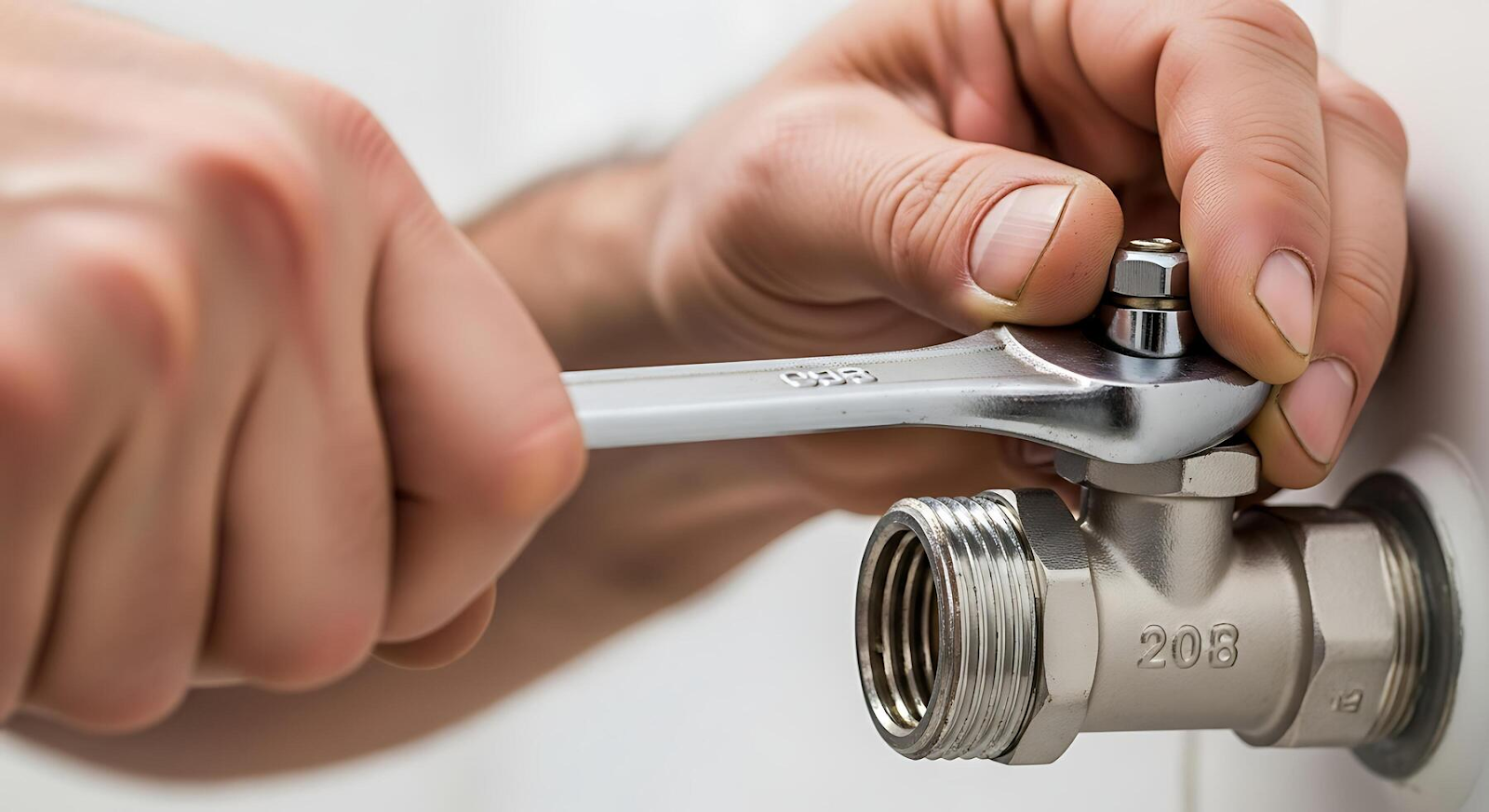
Suggest a reasonable time
Instead of demanding that something happen “now”, it's better to suggest a time frame. This gives the landlord a framework within which to act. For example, you could write, “I'd love to hear when the plumber can come by before the end of the week.”
If the host then doesn't speak up, you can send a friendly reminder. Refer to your previous post and ask if something might have gone wrong with the planning. By giving the landlord the “benefit of the doubt”, you stay out of the realm of accusations and keep the conversation constructive.
Prevention is better than cure: Maintain your relationship
A good relationship with your landlord is worth its weight in gold. If you occupy the house properly, pay the rent on time and keep track of the small things yourself (such as keeping the taps free of lime), the landlord will be much more willing to help if something really big is going on.
Do not see the landlord as an adversary, but as a partner in maintaining your place of residence. A thank you after a successful repair works wonders for the relationship. This way, you can make sure that the next time something breaks, a short message is enough to get things right again.