February 3, 2026
How do you find a rental near public transport?
25/4/2022
February 5, 2026
February 5, 2026

For many tenants, the proximity to a train station, metro stop or a good bus connection is not a luxury, but an absolute necessity. Whether you commute to work every day, don't want to own a car or just want the freedom to get to the city center quickly, living near a public transport hub significantly increases your quality of life.
However, finding such a strategically located location is challenging. Homes within a five to ten minute walk from a station are extremely popular and often a lot more expensive. To stay ahead of the competition and not pay unnecessarily much, you have to look smarter than the rest. In this article, we'll discuss how to use technology, geographical knowledge, and a little bit of creativity to get that perfect location.
Use the “Beam method” on home websites
Most major housing platforms such as funda, pararius or kamernet let you search by city or zip code. But a zip code is big, and you can reach the platform in two minutes on one side of the neighborhood, while on the other side you still have to cycle for fifteen minutes.
Search by station name
Instead of just searching for “Utrecht”, many platforms allow you to directly enter the name of a specific station as a location. Then use the filter option to set the radius to, for example, “1 km” or “2 km”. This allows you to immediately filter out all homes that are too far from the rails.
Map view is your best friend
When searching, always switch to map view. Zoom in on the railways and metro lines. This is often how you discover apartment complexes that are located just outside the well-known neighborhoods, but are directly adjacent to a stop. These are often the “hidden gems” where the pressure is slightly lower than in the hip center.
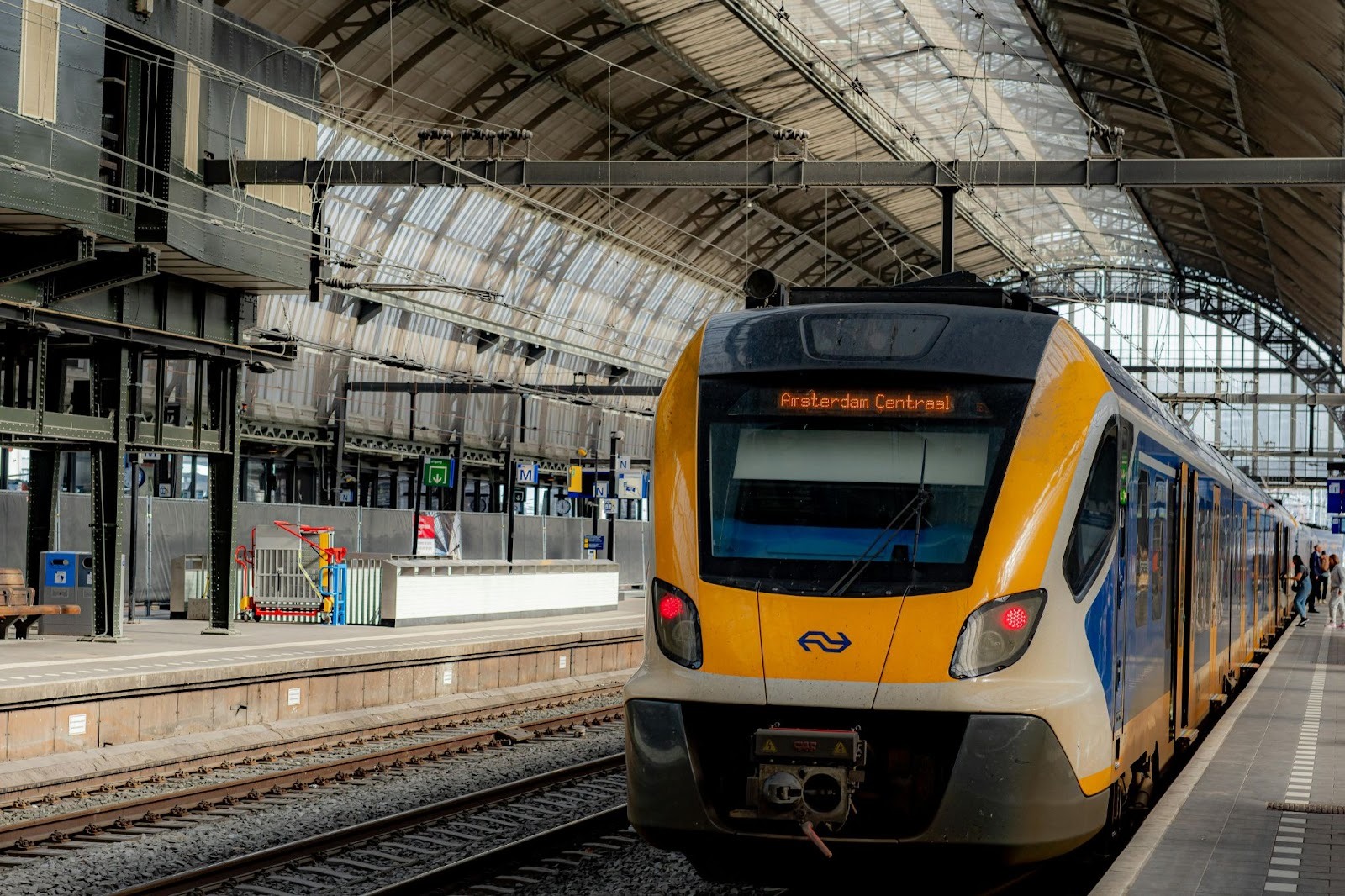
Look at 'Upcoming' stations and new lines
The housing market around major stations such as Amsterdam Central Station or Utrecht Central Station is almost unaffordable and the turnaround is low. The real opportunities lie with the smaller stations and the planned network expansions.
RandstadRail and express tram connections
Look beyond just the NS train stations. In the Randstad, connections such as the RandstadRail (between The Hague and Rotterdam) or the express tram in Utrecht offer fantastic opportunities. Neighbourhoods that line these lines are often slightly cheaper, while you can often get to your destination faster by tram or metro than with a local train.
The impact of new stations
Keep an eye on the local news and plans from ProRail and the NS. When a new station opens (or an existing stop is upgraded to an intercity station), rental prices in that neighborhood rise rapidly. If you can rent there just before the big tree, you'll benefit from the old price with the new convenience.
Calculate actual travel time, not distance
A home can be 500 meters as the crow flies from a station, but if there is a canal or a busy highway between them that require you to detour three kilometers, it's of little use.
Use the 9292 Test
Before scheduling a viewing, enter the home address on 9292 or Google Maps. Do this before a weekday morning. Check not only the running time to the stop, but also the frequency of the connection. A bus stop outside the door is great, but if that bus only goes once an hour, it doesn't offer you the flexibility you're looking for.
The “Last mile” solution
Also look for homes that are just a little further from the station, but have an excellent bike path connection. With an (electric) shared bike or a simple station bike, you can increase your search area from 500 meters to 2 kilometers without making your travel time much longer. This opens up a world of more affordable rental options.
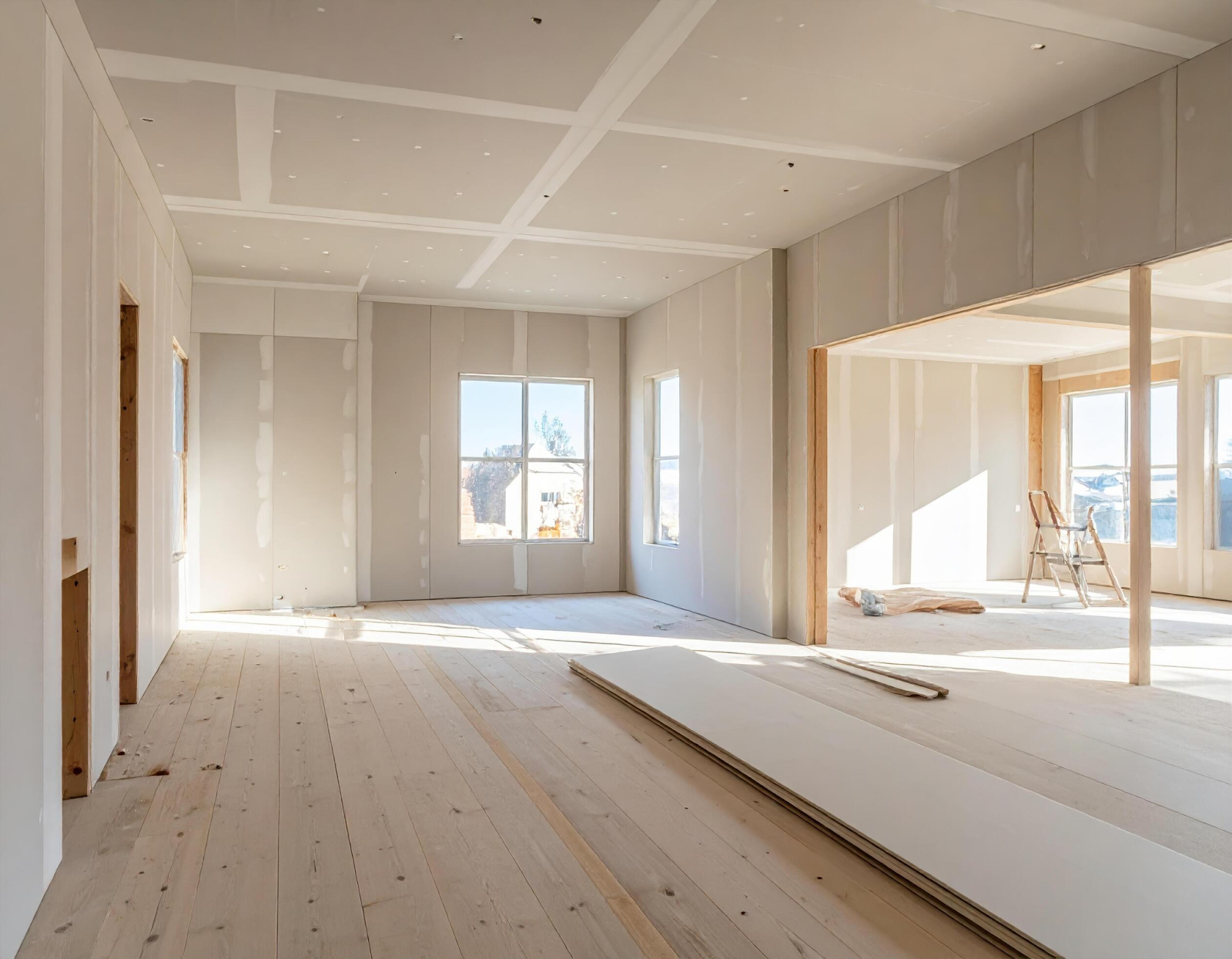
Focus on specific new construction projects
Nowadays, project developers and municipalities prefer to build around public transport hubs (so-called “Transit Oriented Development”). This means that large new apartment complexes that are specifically intended for the rental sector are being created at many stations.
Sign up for newsletters from major landlords and new construction projects near stations. These homes are often rented out in large batches, so you have more chances than with the one private home on the free market where a hundred people respond to.
The pros and cons of living near the railway
Living near public transport is a strategic choice, but it also has a downside to consider in your comparison:
- Noise and vibration: A house directly on the railway can suffer from freight trains at night or constant broadcasting on the platform. Always check the sound insulation and that the windows close properly during a viewing.
- Busyness: Station areas are often hectic. There is a lot of people going through, which can affect the peace and social safety in your immediate vicinity.
- Higher rent: You pay for convenience. Ask yourself if the savings on a car or gasoline outweigh the higher monthly rent.
Finding a rental property by public transport requires a targeted approach. Stop general searching and start 'mapping' the lines you depend on. By focusing on stations on the edge of the city, using smart apps and prioritizing travel time over distance, you'll find the place where you'll be at your destination in no time.