February 7, 2026
How do renovation expenses add up
5/7/2025
February 20, 2026
February 20, 2026
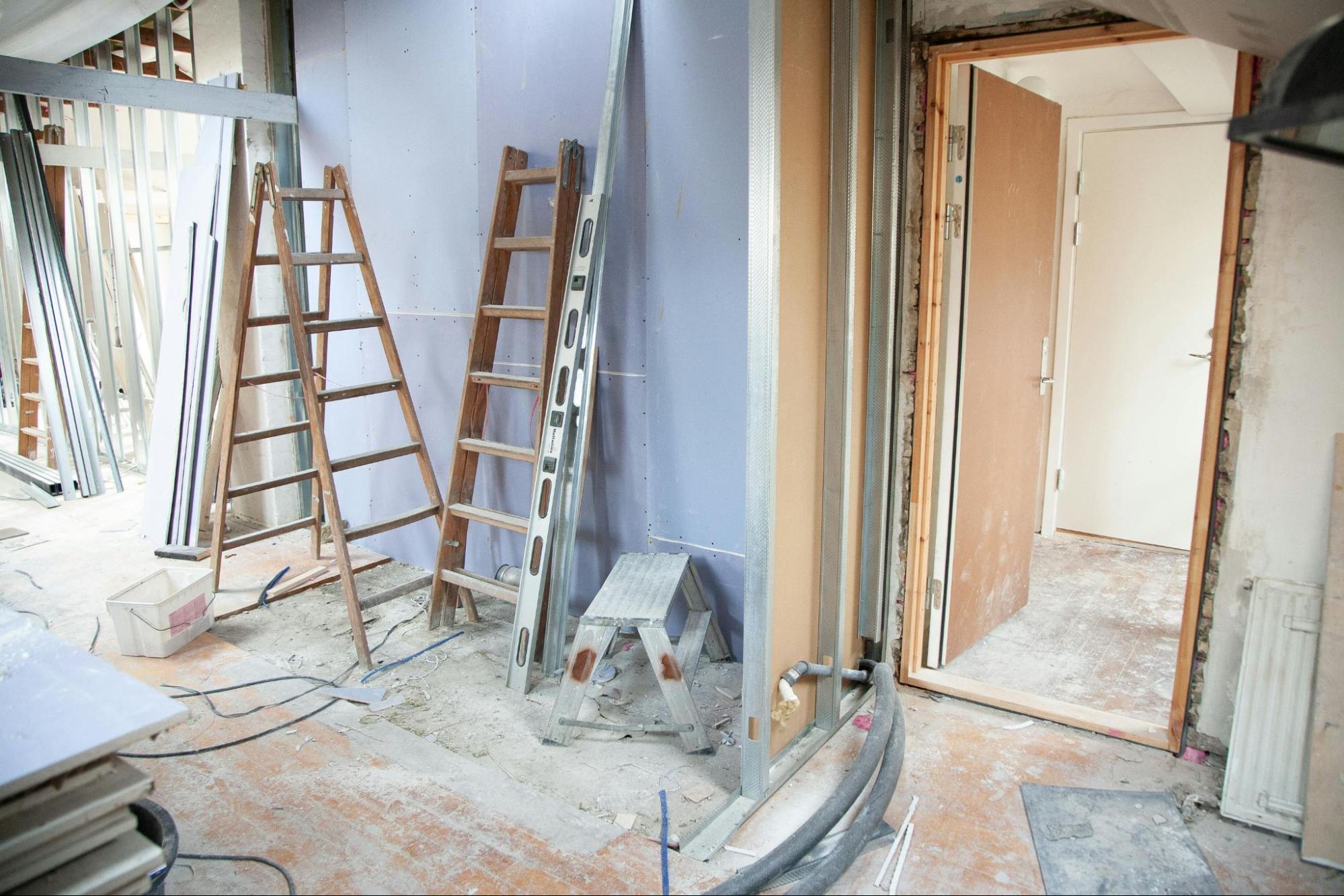
Renovation expenses almost never spiral because of one reckless choice. They grow quietly, step by step, through reasonable decisions made under time pressure, incomplete information, or simple optimism. Many homeowners begin with a clear budget and a short list of improvements, only to look back months later, wondering how the total moved so far beyond the original plan.
Understanding how renovation expenses add up is not about learning to say no to everything. It is about recognizing how costs naturally accumulate once real buildings, real trades, and daily life are involved.
Renovations rarely stay limited to visible work
Most renovation budgets begin with what is visible. A new kitchen, an updated bathroom, or fresh flooring feels manageable until work starts and hidden layers are exposed. Once walls, floors, or ceilings are opened, outdated wiring, aging pipes, or structural issues often appear.
What began as cosmetic work quickly becomes a technical necessity. The most expensive problems are usually the ones that were invisible at the start.
Small upgrades quietly compound into large increases
Individual upgrade decisions often feel harmless. Choosing better finishes, stronger fixtures, or more durable materials seems sensible when considered one at a time.
Over the course of a renovation, however, these choices accumulate into a much higher total without any single dramatic moment. Sensible decisions still carry cumulative financial weight.
Changes during the project carry a premium
Very few renovations follow the original plan exactly. Once work has started, changing layouts, materials, or details becomes more expensive. Adjustments disrupt schedules, create rework, and affect material orders.
Even small changes can ripple through labor planning and increase costs significantly. Flexibility becomes expensive once construction is underway.
Preparation and demolition are often underestimated
Before new work can begin, old materials must be removed. Demolition, disposal, and preparation often take longer and cost more than expected, especially in older homes. These early stages do not feel like progress, but they consume a meaningful part of the budget. Preparing a space is demanding work.
Older homes increase uncertainty
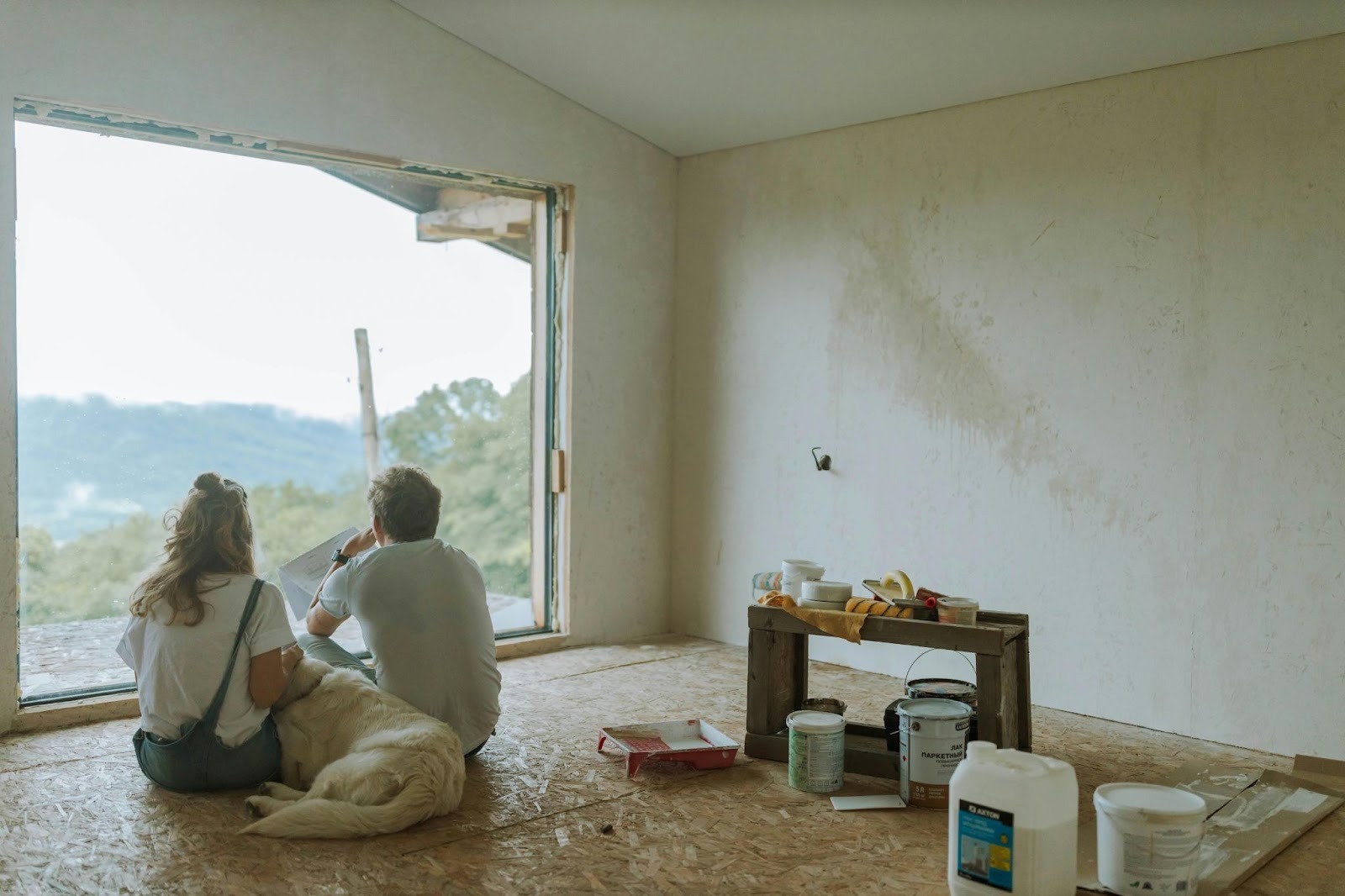
Renovating older properties adds layers of complexity. Construction methods, materials, and past repairs are often inconsistent or undocumented. Each discovery may require additional consultation, design changes, or approvals. Every new finding increases uncertainty and cost. Age multiplies unpredictability.
Delays increase indirect expenses
Time overruns affect more than labor costs. Extended renovations often lead to additional living expenses such as temporary accommodation, frequent eating out, storage fees, or extended equipment rentals. These indirect costs are rarely included in renovation budgets, but they affect household finances just as strongly. Disruption carries its own price. Renovations depend on sequencing.
Electricians, plumbers, carpenters, and finishers rely on each other’s timing. When one step is delayed, others must wait. Waiting still costs money through rescheduling, idle time, or repeat visits. Coordination issues quickly turn into budget issues.
Quality control raises costs now to avoid future ones
Fixing poor workmanship later is expensive. Many homeowners choose to pay more upfront for better quality to reduce the risk of future repairs. While this decision is usually wise, it raises the renovation total beyond initial expectations. Long term thinking often increases short term spending. Some renovations require permits, inspections, or compliance checks.
These requirements sometimes become clear only after plans are finalized or work has started. Fees and administrative steps feel indirect, but they add to the total cost. Regulations come with financial consequences.
Furniture and finishing complete the real cost
Renovation does not end when construction finishes. New spaces often require furniture, lighting, window coverings, or storage solutions to function properly.
These expenses feel optional until the space feels incomplete without them. A finished room must be usable, not just built.
Contingency funds are usually too small
Many renovation budgets include contingency funds, but they are often underestimated. Unexpected issues are not exceptions in renovation projects. They are normal. When contingencies are too limited, every surprise feels like an overrun rather than an expected adjustment. Optimism tends to shrink buffers too much.

Emotional fatigue lowers cost resistance
Renovations are mentally and physically draining. As stress builds, homeowners become more willing to accept higher prices, rush decisions, or pay extra simply to finish the project. This fatigue-driven spending often occurs late in the renovation, when budgets are already stretched. Exhaustion increases cost.
Costs arrive in clusters rather than evenly
Renovation expenses rarely arrive in a steady flow. Invoices tend to cluster, especially toward the end of a project. This makes the total feel sudden and overwhelming, even when costs accumulate gradually. Timing amplifies the perception of overruns. Renovation expenses add up because renovations are layered processes rather than linear tasks. Hidden work, labor time, incremental upgrades, delays, coordination challenges, and emotional decision-making all contribute over time.
None of these factors are unusual. They are the norm. When renovations are budgeted as a series of compounding decisions instead of a fixed list of tasks, cost overruns stop feeling like personal failure and become something that can be anticipated, planned for, and managed with far less stress.