

February 7, 2026
How do property taxes affect buyers?
6/6/2025
February 20, 2026
February 20, 2026
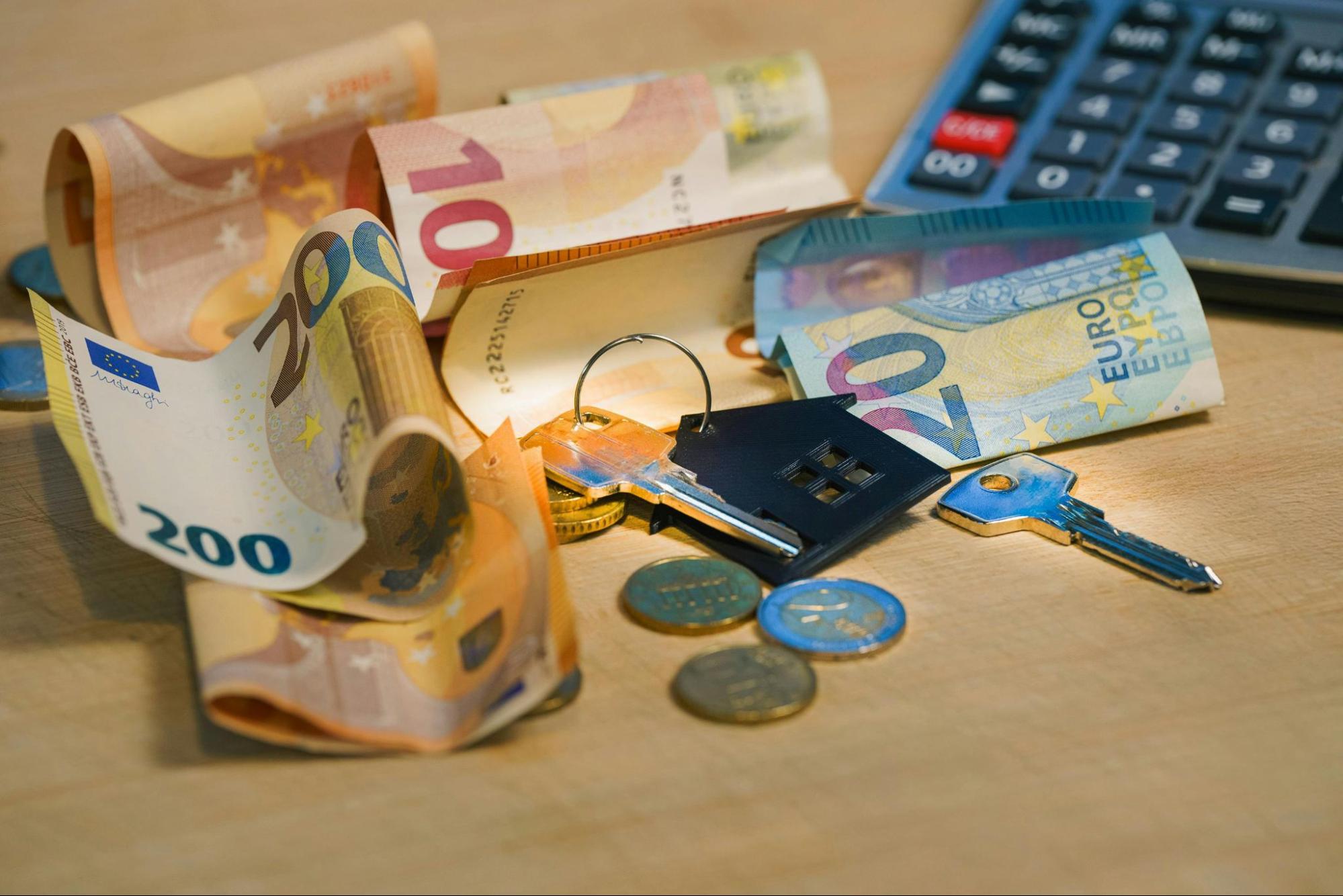
For many buyers in the Netherlands, property taxes are not what stop a purchase, but they are often what quietly reshapes the true cost of ownership after the excitement fades. Unlike mortgage payments, which are discussed openly and planned carefully, taxes tend to sit in the background until the first bill arrives and forces a budget rethink.
Understanding how property taxes affect buyers is less about fear and more about realism, because these costs don’t usually break affordability overnight, but they do influence long-term comfort and financial flexibility.
Property taxes don’t feel large, but they are persistent
One reason buyers underestimate property taxes is that they rarely arrive monthly. Most property-related taxes in the Netherlands, like the OZB (Onroerendezaakbelasting), are billed annually in February, which makes them feel detached from everyday spending.
Individually, the amounts often seem manageable, but over time they become a fixed part of owning that never disappears. Persistence, not size, is what gives them impact; while a few hundred euros a year feels small, these costs continue even after your mortgage is fully paid off.
First-time buyers feel the impact more sharply
First-time buyers are often more sensitive to fixed costs because they are already adjusting to a new level of financial responsibility. Without years of ownership experience, these taxes feel like unexpected obligations rather than routine expenses of the Dutch housing system.
Combined with maintenance and insurance, they can make early ownership feel tighter than anticipated. Early years feel heavier than later ones, as the lack of existing equity and smaller financial buffers make every municipal invoice feel like a high-stakes event.
Tax differences influence neighborhood choice
Some buyers adjust their search based on tax expectations, realizing that the annual "woonlasten" can vary by hundreds of euros between neighboring towns. Neighborhoods with similar housing prices may differ in annual tax burden, which can tip decisions for budget-conscious households.
Over time, this difference can equal several months of mortgage payments. Small differences compound quietly; choosing a municipality with a lower waste levy and a more efficient sewage department can save you thousands of euros over a ten-year residency.
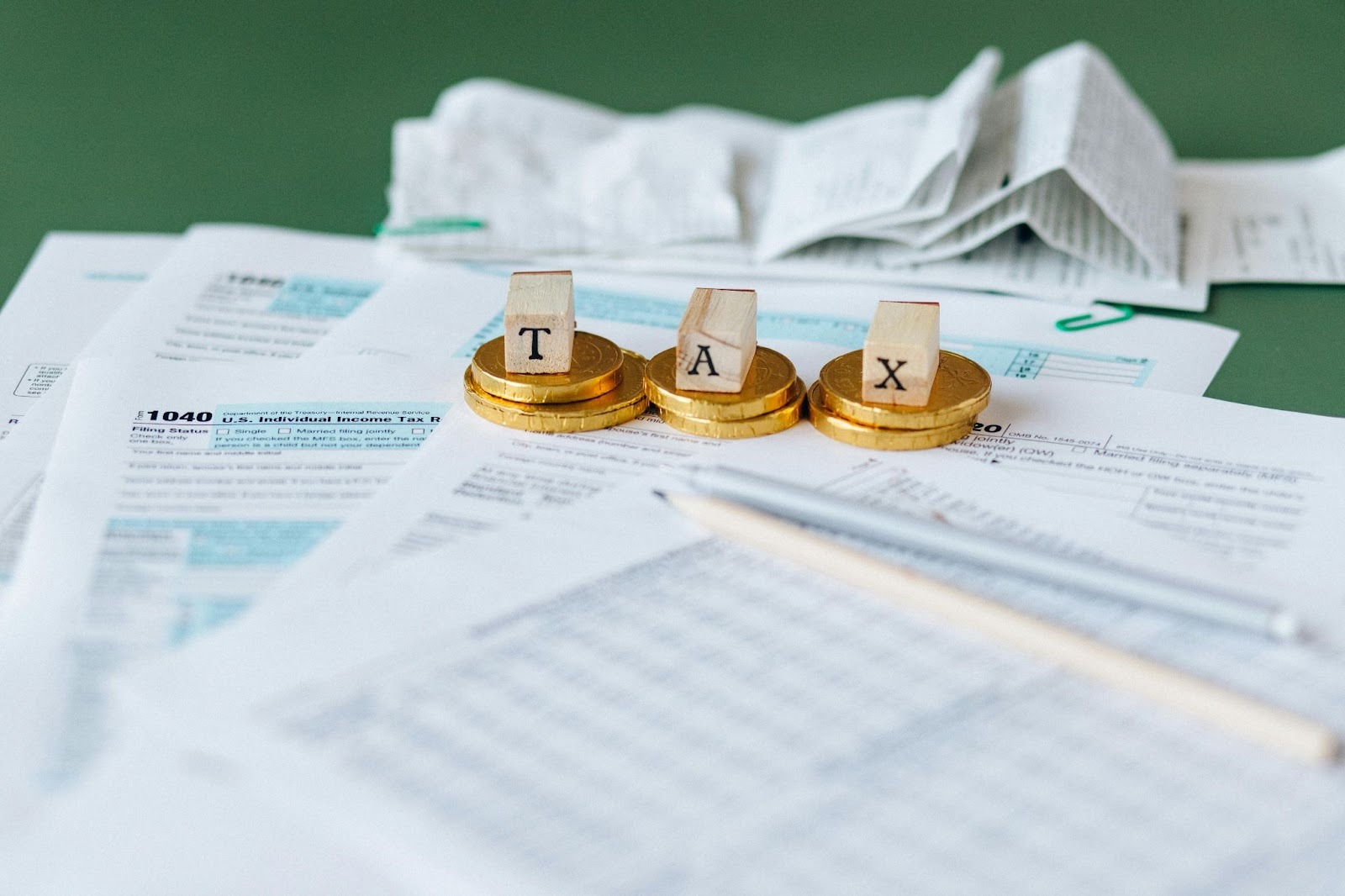
Taxes shape long-term ownership decisions
Over decades, taxes influence how long people stay in their homes. Rising municipal costs can push owners to downsize or relocate later in life, even when their mortgages are fully paid off and interest expenses have vanished.
Buyers rarely think this far ahead during initial purchase decisions, focusing instead on the immediate mortgage. However, these long-term costs outlive your financing and can eventually become your largest monthly housing expense in retirement.
Tax predictability helps long-term planning
Despite their potential impact, property taxes are relatively predictable compared to energy prices or maintenance emergencies. Dutch municipalities usually publish their OZB and levy rates early in the year, allowing for accurate budgeting.
This predictability supports long-term planning once your expectations are aligned with reality. Stability reduces the anxiety of ownership, as you can forecast your tax obligations with reasonable precision, unlike the volatile "hidden costs" of home repairs.
Taxes rarely make a home unaffordable alone
Property taxes are seldom the deciding factor that makes a home unaffordable on day one. They usually don't push a buyer from "yes" to "no" during the bidding phase, as they are a small percentage of the total transaction.
However, they do tighten your financial margins and reduce your room for error over time. Their influence is cumulative rather than dramatic; the pressure builds slowly as assessments rise, quietly eroding your disposable income year after year.

Why buyers often overlook taxes initially
During the intense home-buying process, your attention is naturally consumed by "Transactional" milestones. In the 2026 Dutch market, the high stakes of competitive bidding and the immediate pressure of mortgage approval act as cognitive anchors, leaving little mental room for recurring levies that won't appear on a bank statement for months.
Taxes feel abstract because they aren't part of the physical "dream" of the house the natural light or the modern kitchen. It is only after the dust settles and ownership begins that these obligations become tangible, moving from a line item in a brochure to a real demand on your monthly cash flow.
Permanence over shock
Property taxes do not affect buyers through a sudden financial shock; instead, they exert their influence through sheer permanence. In 2026, Dutch municipal housing costs for homeowners have crossed the €1,000 threshold for the first time, reflecting a steady 3.9% average increase driven by rising property values (WOZ).
While these costs rarely derail a purchase, they quietly reduce your long-term flexibility. Once you treat property taxes as a normal, ongoing structural cost rather than a footnote, your ownership decisions become clearer and far more sustainable in the long run.


