February 8, 2026
How do I pack without forgetting essentials
14/2/2026
February 21, 2026
February 21, 2026
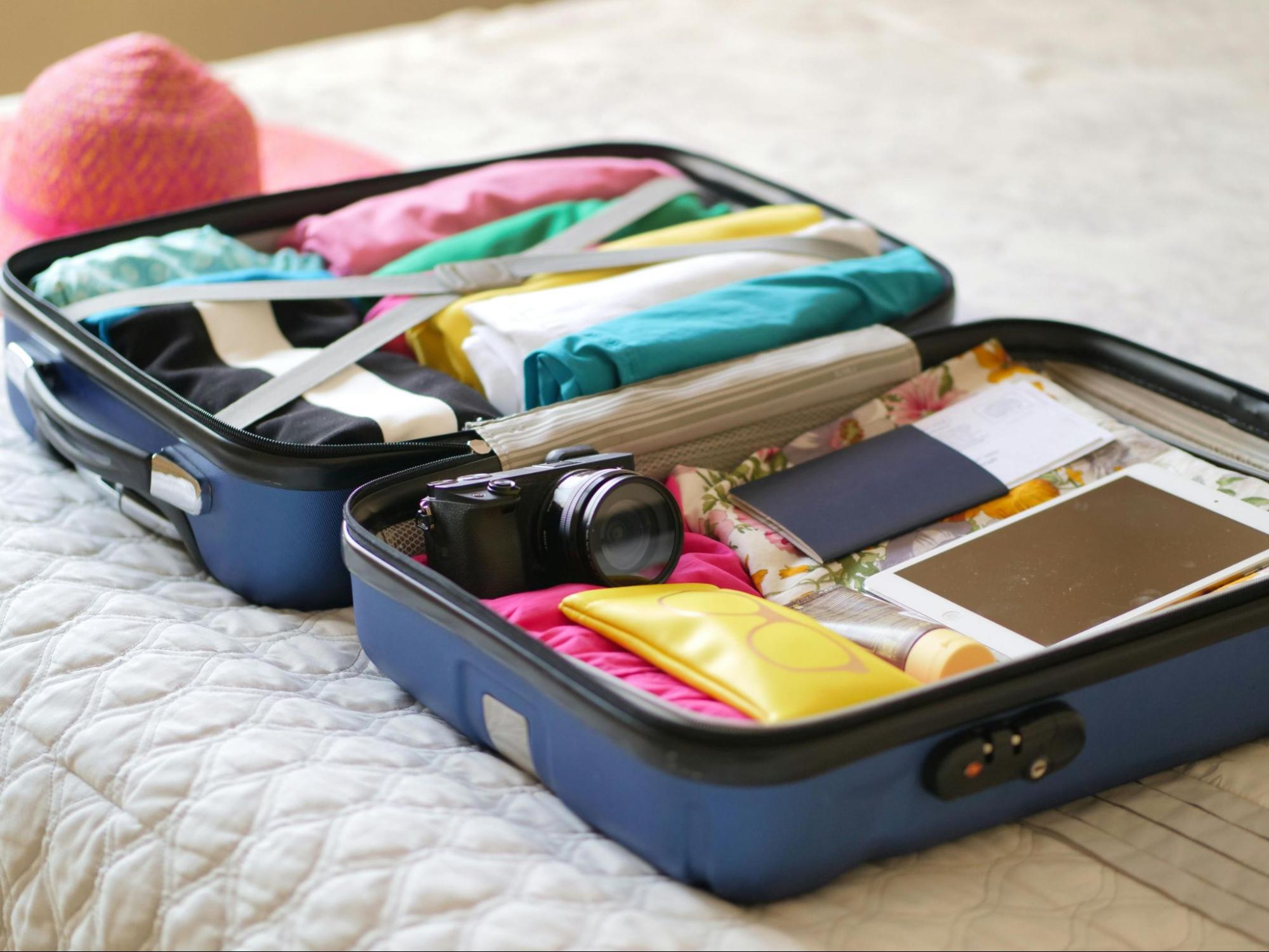
Packing for a move often feels deceptively simple until the final days arrive and everything suddenly feels important. In the Netherlands, where move-out deadlines are strict and handovers are tightly scheduled, forgetting essentials creates more stress than the move itself. What makes packing difficult is not the volume of belongings, but the mental load. When routines are disrupted, memory becomes unreliable. Understanding why essentials get forgotten helps explain how to pack in a way that protects daily life rather than just moving objects from one place to another.
Forgetting essentials is a cognitive issue
Most people forget essential items not because they are inherently disorganized, but because the act of packing fundamentally interrupts long-standing habits. Items you use every day, such as your phone charger or glasses, are stored mentally as part of a physical routine rather than as individual objects to be remembered.
When those routines disappear during a move, these items easily slip through the gaps in your attention because the "trigger" to pick them up has been removed. Successfully packing without forgetting these pieces means working with this cognitive reality rather than fighting against it.
Essentials are defined by disruption
An essential item is not necessarily what is most valuable in terms of price, but rather what causes the most immediate disruption to your life when it goes missing. Chargers, legal documents, daily medication, and basic hand tools often matter significantly more than your furniture during the first forty-eight hours in a new home.
People frequently forget these items because they look ordinary and mundane compared to the larger tasks at hand. Recognizing that essentials are defined by the level of inconvenience their absence creates changes how you prioritize them during the packing process. As moving day approaches, your focus naturally shifts toward visible signs of progress, such as seeing boxes stacked high and rooms finally cleared of clutter. Because essentials are often still in active use, they feel safely accounted for in your mind, which creates a dangerous false sense of security.
This psychological distortion is precisely why critical items are often left behind on a counter or packed too late in the wrong box. Effective packing requires you to anticipate this mental shift rather than assuming you will have perfect clarity during the final, chaotic hours of the move.
Daily-use items need separate logic
Packing works most effectively when daily-use items are treated with a completely different logic than the rest of your household goods. These specific pieces should never be packed gradually or casually alongside non-essential decorations or books.
They require a deliberate, separate system that acknowledges their continued use right up until the final moment you walk out the door. Without this strict separation, your most needed essentials inevitably end up scattered across multiple boxes and various rooms, making them impossible to find later. Extreme time pressure significantly narrows your attention and forces the brain to prioritize the speed of completion over the accuracy of the work. This neurological shift is why many people can perfectly remember decorative items while completely forgetting their toothbrush or medications.
Packing without losing track of your essentials means intentionally reducing your reliance on your memory and increasing your reliance on external structures. By using lists or designated zones, you offload the mental burden and protect yourself from the natural failures of a stressed mind.
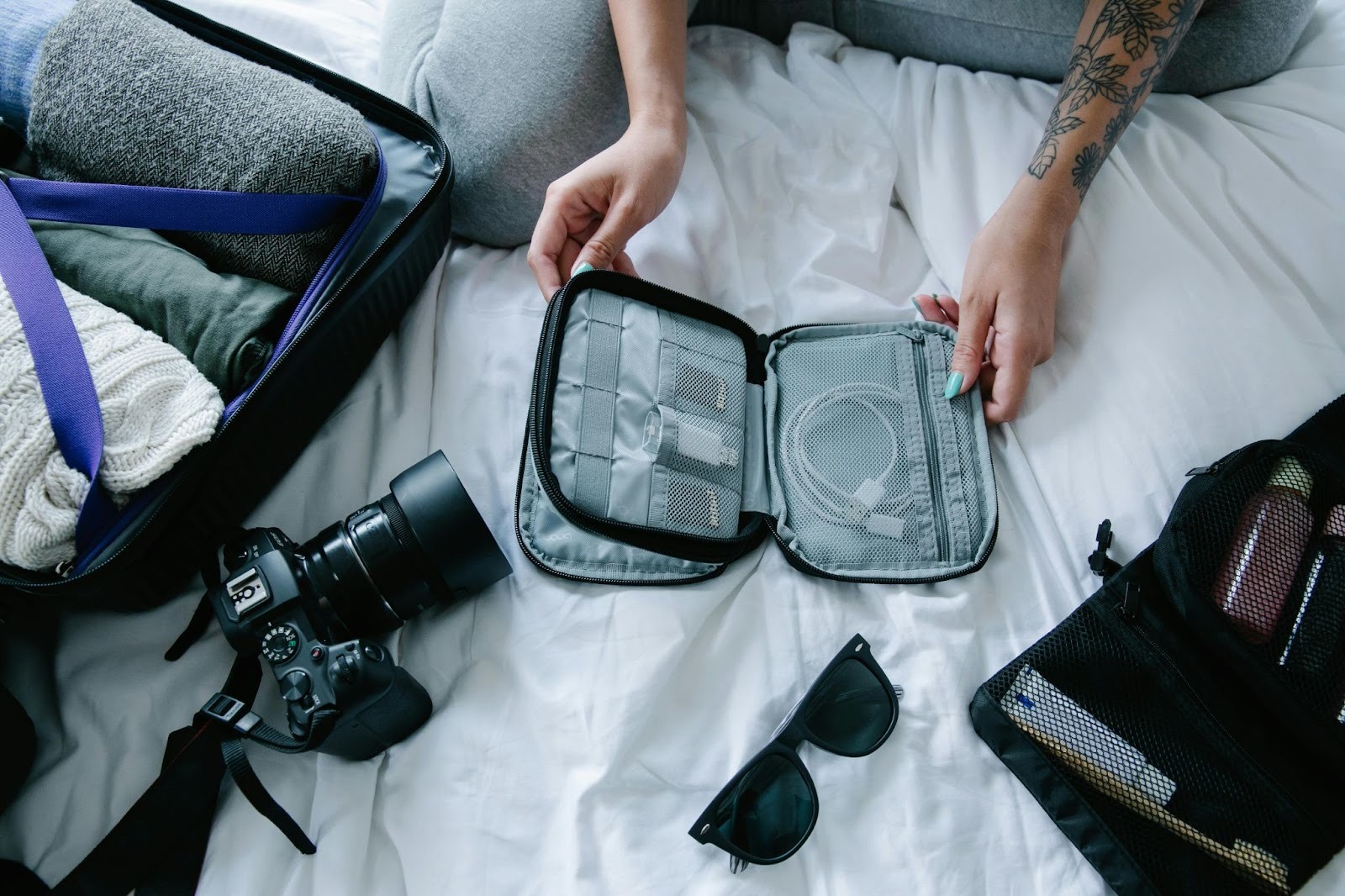
Overpacking increases omission risk
Packing too early or too thoroughly can paradoxically increase the chance of forgetting your most vital items. When every corner of a room is boxed up, your essentials lose their visual contrast and blend into the background of identical cardboard.
The brain eventually struggles to identify what still needs to remain accessible versus what has already been stored. Practicing controlled incompleteness, where specific areas remain unpacked by design until the very end, helps you maintain a high level of environmental awareness.
Documents are forgotten differently
Documents are frequently forgotten not because they are overlooked physically, but because they feel abstract and conceptual. Their importance is often theoretical until the exact moment a landlord or a utility company requires a specific proof of identity.
Packing without losing track of your essentials requires you to treat documents as physical items with immediate, high-stakes relevance. Rather than viewing them as future problems to solve, they should be stored in a way that acknowledges their role as the "keys" to your new life. Moves are powerful emotional triggers, and sentimental items like photo albums or heirlooms naturally attract a high degree of care. Essentials, being emotionally neutral and purely functional, often receive significantly less mental focus during the height of a move.
This psychological imbalance explains why a delicate vase might be wrapped in three layers of paper while your passport ends up in a random grocery bag. Recognizing this inherent bias helps you consciously rebalance your attention so that practical tools receive the same level of security as keepsakes.
The final night creates false confidence
The final night before a move often feels like a calm checkpoint where you believe you will remember every important detail in the morning. In reality, your cognitive fatigue and physical stress reach their absolute peak at this precise moment.
Relying on last-minute recall during the morning rush almost guarantees that critical items will be left behind in a drawer or on a countertop. Using a "pre-flight" ritual the night before ensures that your departure is based on a verified system rather than the whims of an exhausted memory. One of the most effective mental shifts you can make is deciding that your essentials do not belong to the logistical move at all. Instead, they belong with you personally in your car or backpack, completely separate from the moving truck.
When essentials are mentally assigned to your personal control rather than the general logistics, you handle and track them with much higher intensity. This shift in ownership drastically reduces the chance of loss or misplacement during the chaotic transit phase between two homes.
One location prevents diffusion
Designating a single, unchangeable location for your essentials prevents them from diffusing across multiple rooms as you pack. When all your "must-haves" have a dedicated temporary home, the act of retrieving them becomes automatic and stress-free.
Without a fixed location, these items will inevitably scatter across various surfaces as furniture is moved and rooms are cleared. Creating a "safe zone" perhaps a specific kitchen counter or a brightly marked bin, stops these items from disappearing into the background noise. People often focus heavily on the specific method of wrapping items, but the actual order in which you pack is much more important for a smooth transition. Packing non-essential items first preserves your access to the tools you need for daily functioning.
Reversing this order forces you into constant improvisation, which increases the likelihood of forgetting where you put things or losing them entirely. Maintaining a logical order protects your ability to function normally even as your surroundings are being dismantled.
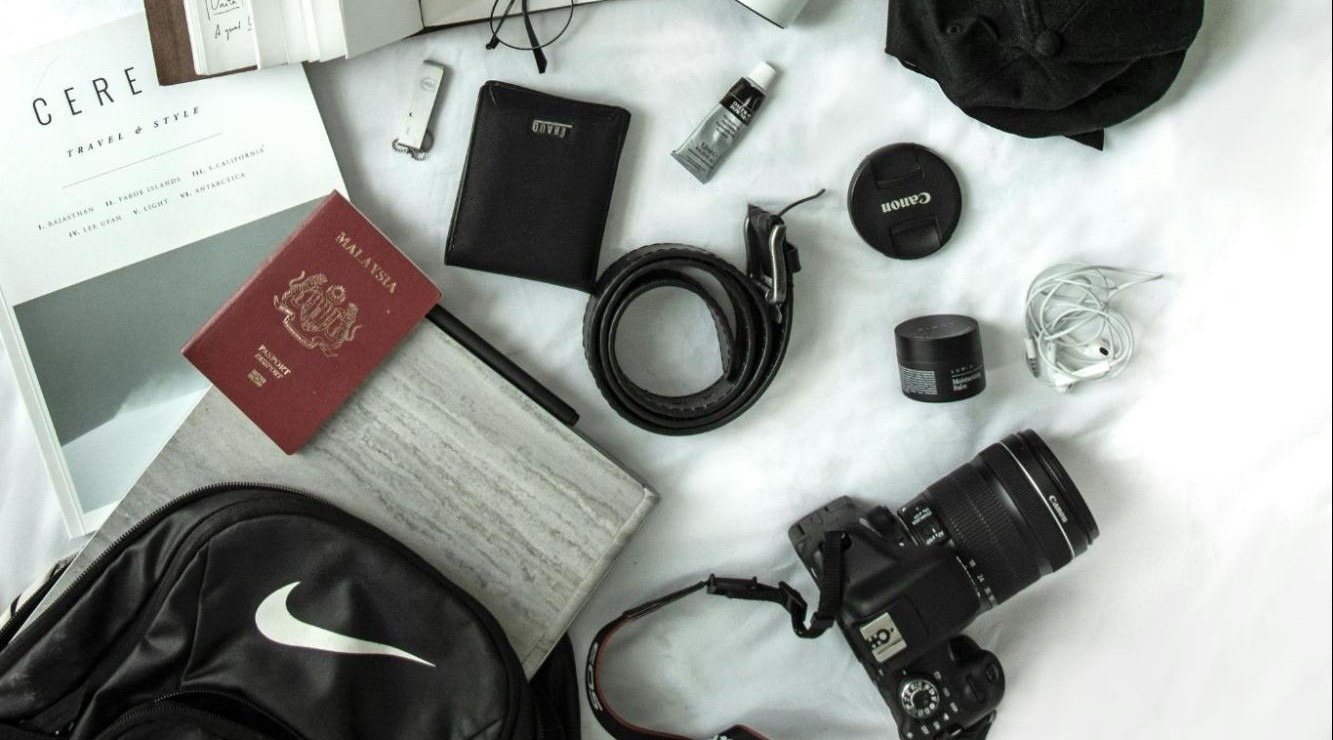
Packing is about continuity
A move temporarily interrupts your physical space, but the needs of your daily life continue without pause. Your essentials act as the vital bridge between your old routines and the new ones you have yet to establish.
Packing without forgetting these items means focusing on continuity of lifestyle rather than simply aiming for the completion of a task. When you view the move as a transition rather than a hard ending, you naturally prioritize the items that keep your daily rhythm intact.
Reframing reduces anxiety
When you handle your essentials with deliberate care, your overall levels of relocation anxiety begin to drop significantly. Your confidence increases not because every single box is perfectly taped, but because you know the most disruptive risks are under control.
This reframing makes the massive project of packing feel manageable rather than completely overwhelming. By securing the "foundation" of your daily needs first, the remaining hundreds of non-essential items become much less intimidating to process. Simply trying harder to remember everything rarely works when you are under the high physiological stress of a move. Designing your packing system to protect your essentials is far more effective than relying on mental willpower.
In this model, structure replaces the need for willpower, and constant visibility replaces the need for perfect recall. By creating a system of separation for your "must-haves," you eliminate the confusion that typically leads to items being left behind in empty drawers.