February 8, 2026
How can pets handle the stress of moving to a new home?
16/2/2026
February 21, 2026
February 21, 2026

Moving is disorienting for people, but for pets, it can feel like the ground has shifted without warning. Boxes appear, routines break, familiar smells disappear, and suddenly everything that signaled safety is gone. Pets do not understand contracts, timelines, or new addresses. They understand territory, predictability, and presence. When those disappear, stress follows quickly. Understanding how pets experience a move explains why they react the way they do and what actually helps them cope during a transition that makes no sense to them. For pets, home is a network of smells and routines rather than just a physical shelter. When these markers vanish during a move, it feels like a total loss of safety rather than a simple change of location.
Dogs and cats mark security through repetition, so removing those markers can cause them to become withdrawn or restless. Adjustment is about reestablishing these familiar cues to help them reclaim a sense of territory in the new space.
Routine stability
Pets are rarely bothered by moving distance, but they are deeply unsettled by the disruption of their daily schedules. Shifted feeding times and fragmented attention from busy owners compound their internal stress quickly. This anxiety often builds well before moving day as the packing process begins to unravel their predictable environment. Keeping daily habits as consistent as possible helps signal that their primary world remains secure despite the transition. Boxes and dismantled furniture send an early signal to pets that their environment is becoming unstable. This mismatch between a changing home and expected normal behavior creates deep uncertainty even before the move officially starts.
Understanding that pets sense this instability early helps prevent frustration with any unexpected behaviors. Recognizing these shifts as stress signals allows you to respond with the necessary patience and extra reassurance.
Sensory overload
Moving day concentrates intense noise, strangers, and constant motion into a short period that can easily overwhelm an animal. Doors opening repeatedly and furniture disappearing creates a sensory chaos that feels threatening rather than just confusing.
Transportation adds further stress through confinement and motion, often leaving pets overstimulated before they arrive. Providing a quiet, isolated space for them during this peak activity protects their nervous system from the worst of the move. Familiar objects like beds, toys, and bowls carry scents and associations that act as anchors during environmental upheaval. Removing these items too early removes a vital layer of stability from the pet's immediate world.
Their presence matters much more than their placement within the new layout of the rooms. Keeping these anchors accessible provides the continuity pets need to transition from the old home into the unfamiliar new one.
Scent and mapping
New homes initially lack the safety signals that pets use to map their territory and navigate space. Familiar items reintroduce continuity through scent, which is the primary way animals determine if an environment is safe or dangerous.
Expecting immediate comfort ignores the biological process pets use to establish a new territory. Allowing them to use their sense of smell to explore helps them build a reliable mental map of the new surroundings over time. The first days in a new home are critical for setting the emotional tone and forming new associations. A calm, predictable environment accelerates this adjustment while forcing exploration can inadvertently increase a pet's fear and hesitation.
Allowing animals to explore at their own pace supports their confidence and builds long term trust. Respecting this natural caution ensures they feel empowered to claim the new space as their own on their own terms.
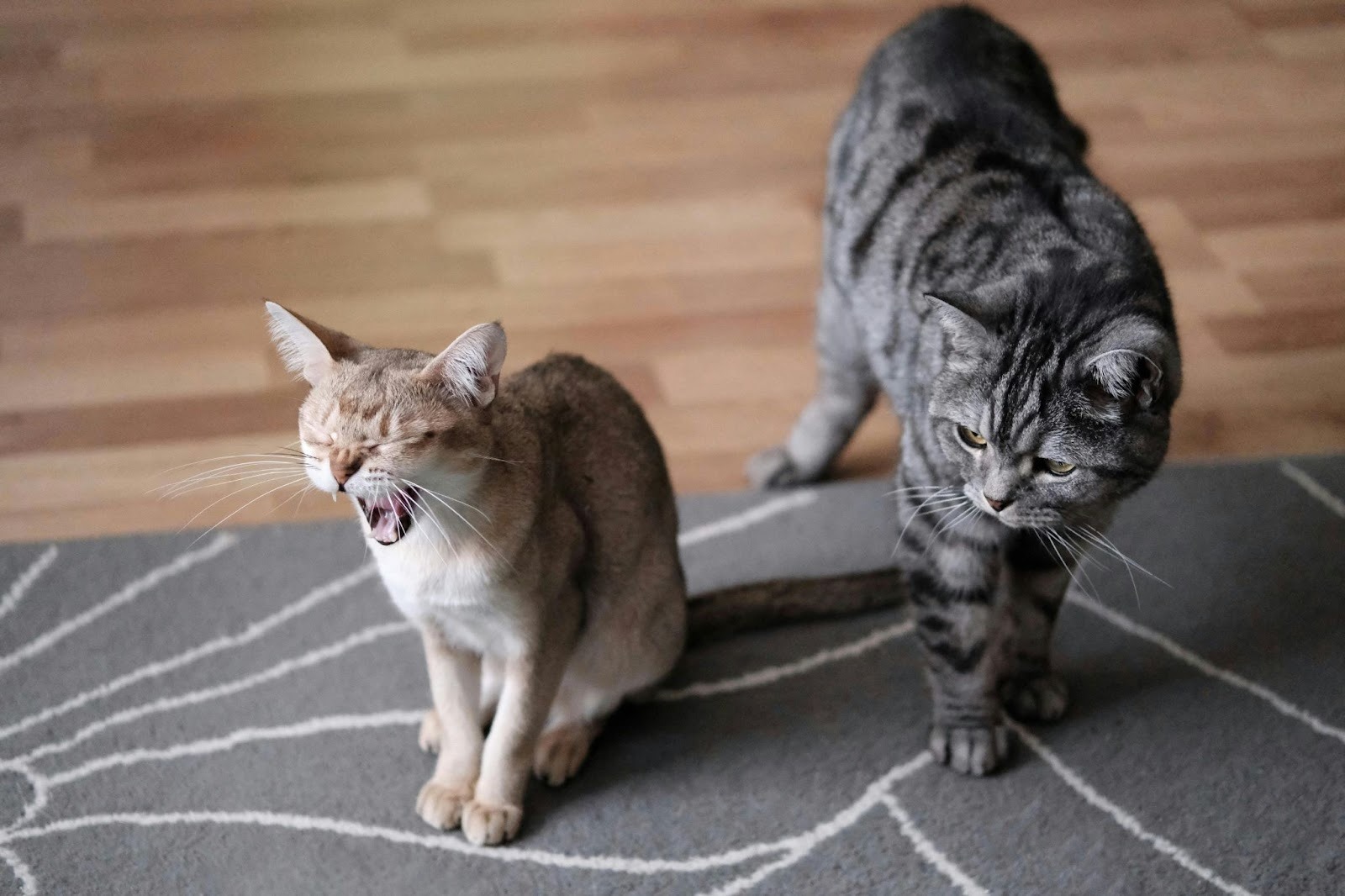
Territorial and routine loss
For pets, home is a network of scents and daily habits rather than just a physical shelter. When these markers vanish during a move, animals experience a sense of loss that leads to restless or withdrawn behavior.
Maintaining consistent feeding and walk times is more important than the distance moved. These predictable patterns help pets understand that their world remains secure even as the physical environment shifts around them.
Sensory and travel stress
Moving day concentrates intense noise, strangers, and constant motion into a short period that can easily overwhelm an animal. The chaos of disappearing furniture and echoing voices feels threatening rather than just confusing to their senses.
Transportation adds another layer of stress through confinement and motion, often leaving pets overstimulated. Providing a quiet, isolated space for them during this peak activity protects their nervous system from the worst of the transition. Familiar objects like beds, toys, and bowls carry scents that act as anchors during environmental upheaval. Their presence in a new home provides the biological landmarks pets need to navigate and map an unfamiliar territory safely.
A new house lacks immediate meaning and safety signals, so familiar smells help bridge the gap. Keeping these items accessible ensures the new environment feels less like a foreign space and more like a reclaimed home.
Patient recovery and bond
The first days in a new home are critical for setting the emotional tone and forming positive associations. Allowing animals to explore at their own pace supports their confidence and prevents the fear that comes from forced interaction.
Patience is the primary stabilizer as pets rebuild their sense of security through repeated daily routines. Staying calm and consistent protects the bond between you and your pet, which serves as their most reliable source of safety.

Moving stress does not define the future
Most pets adapt fully over time. The stress of moving does not permanently alter their personality or bond with their humans. Once safety is reestablished, the move fades into memory, even if the transition was difficult. When pet stress is understood as a natural response to loss of territory and routine, it becomes easier to meet with empathy rather than concern. The behaviour makes sense within the context of disruption.
Pets recover through presence and time
Ultimately, pets handle moving stress through the same forces that shape their sense of security every day: presence, routine, and time. When these are restored, adjustment follows. The move may feel disruptive and emotional in the moment, but for pets, stability slowly rebuilds as long as their humans remain a familiar constant in an unfamiliar place.