

February 7, 2026
How affordable are the Amersfoort outskirts?
10/3/2025
February 20, 2026
February 20, 2026
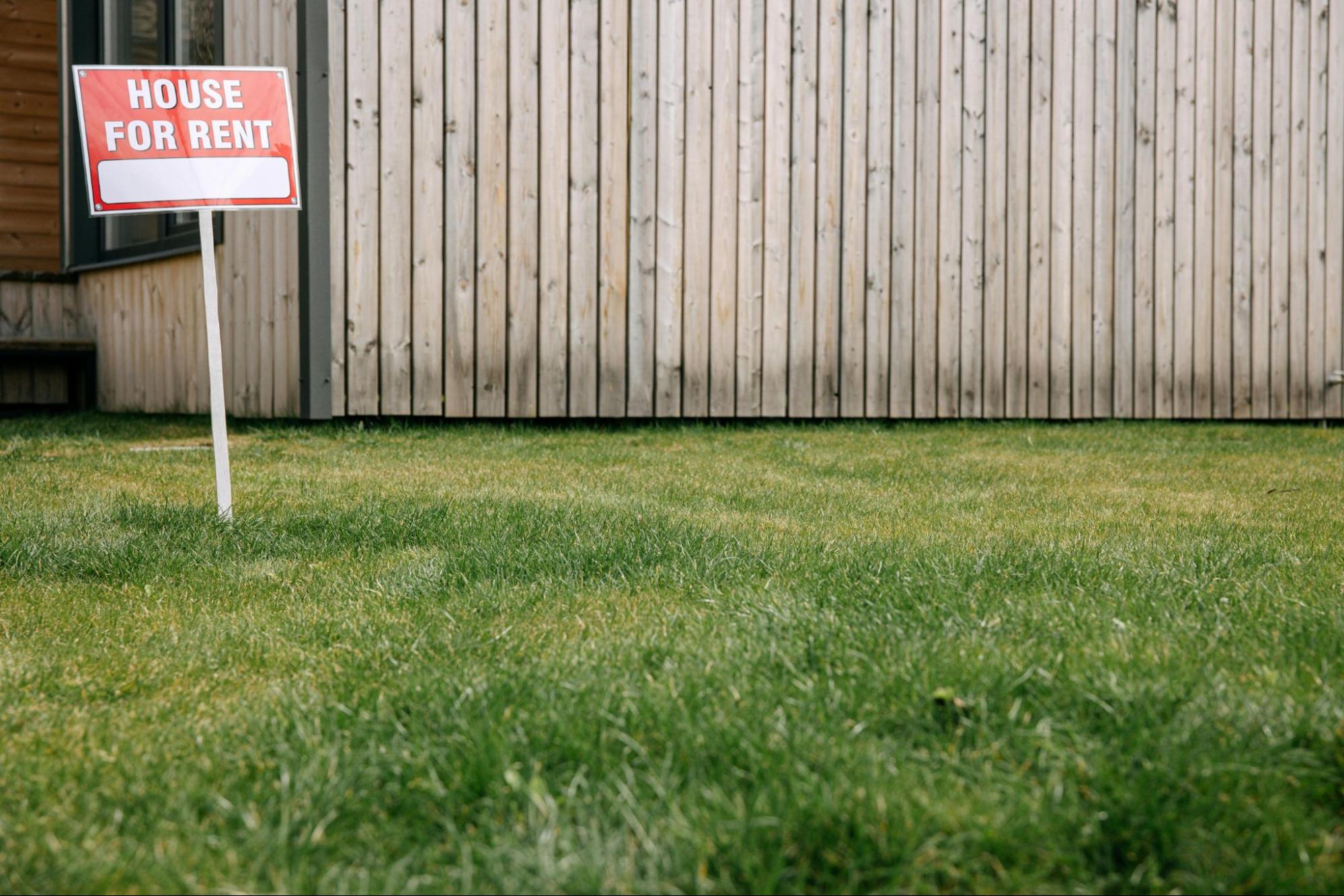
Amersfoort is often discussed as a balanced city, but affordability becomes more tangible once you look beyond the historic center and train station zones. For many buyers and renters who feel priced out of central areas yet still want strong connectivity and livability, the outskirts of Amersfoort increasingly feel like a realistic middle ground rather than a compromise.
Understanding how affordable these outskirts truly are requires looking past headline prices and focusing on daily living costs, available space, and how sustainable the choice feels over several years.
Housing prices drop noticeably once you move outward
The most immediate difference in the outskirts of Amersfoort is pricing. Homes just outside the inner neighborhoods typically cost less per square meter, allowing households to consider larger properties without increasing their budget.
As of early 2026, while Dutch house prices are rising by approximately 3% to 5.7% annually, peripheral areas like Vathorst or Nieuwland maintain a significant value gap compared to the historic center. This shift often only requires a few extra minutes by bike to achieve a much more realistic entry point for ownership.
Space becomes part of affordability, not a luxury
Affordability in the outskirts is closely tied to the availability of space. Buyers and renters often gain additional bedrooms, storage, or outdoor areas that would be unaffordable closer to the central districts.
This extra square footage reduces the need for future moves or external storage solutions, quietly saving money over the long term. In these neighborhoods, space is viewed as a functional necessity that supports family growth rather than an indulgent luxury.
Family housing is significantly more attainable
Families experience the difference most clearly in the availability of "tussenwoningen" (row houses). These family-sized homes in the outskirts are less aggressively priced and more plentiful than comparable historic properties near the city core.
In 2026, family homes in Amersfoort typically range between €550,000 and €650,000, but choosing the periphery often provides a modern "A++" energy label. This higher energy efficiency translates to lower monthly utility bills, further supporting long-term financial stability for households.
Rental prices feel calmer and more predictable
Renting in the outskirts often involves less immediate pressure. While the market remains active, rents in areas like Schothorst or Zielhorst are generally lower, with more gradual increases compared to the overheated central rental scene.
Tenants in these areas tend to stay longer on average, which fosters a more predictable rental environment and reduces the costs associated with frequent relocation. This stability allows the renting experience to feel like a sustainable lifestyle choice rather than a temporary stopgap.
Daily living costs align better with housing prices
Affordability extends beyond the home itself to the cost of daily essentials. In the outskirts, expenses such as parking permits, local services, and even childcare often feel more manageable and better aligned with the local housing costs.
This alignment between the price of the home and everyday spending prevents the "hidden" financial strain that often catches residents off guard in more expensive central zones.
Commuting remains practical and affordable
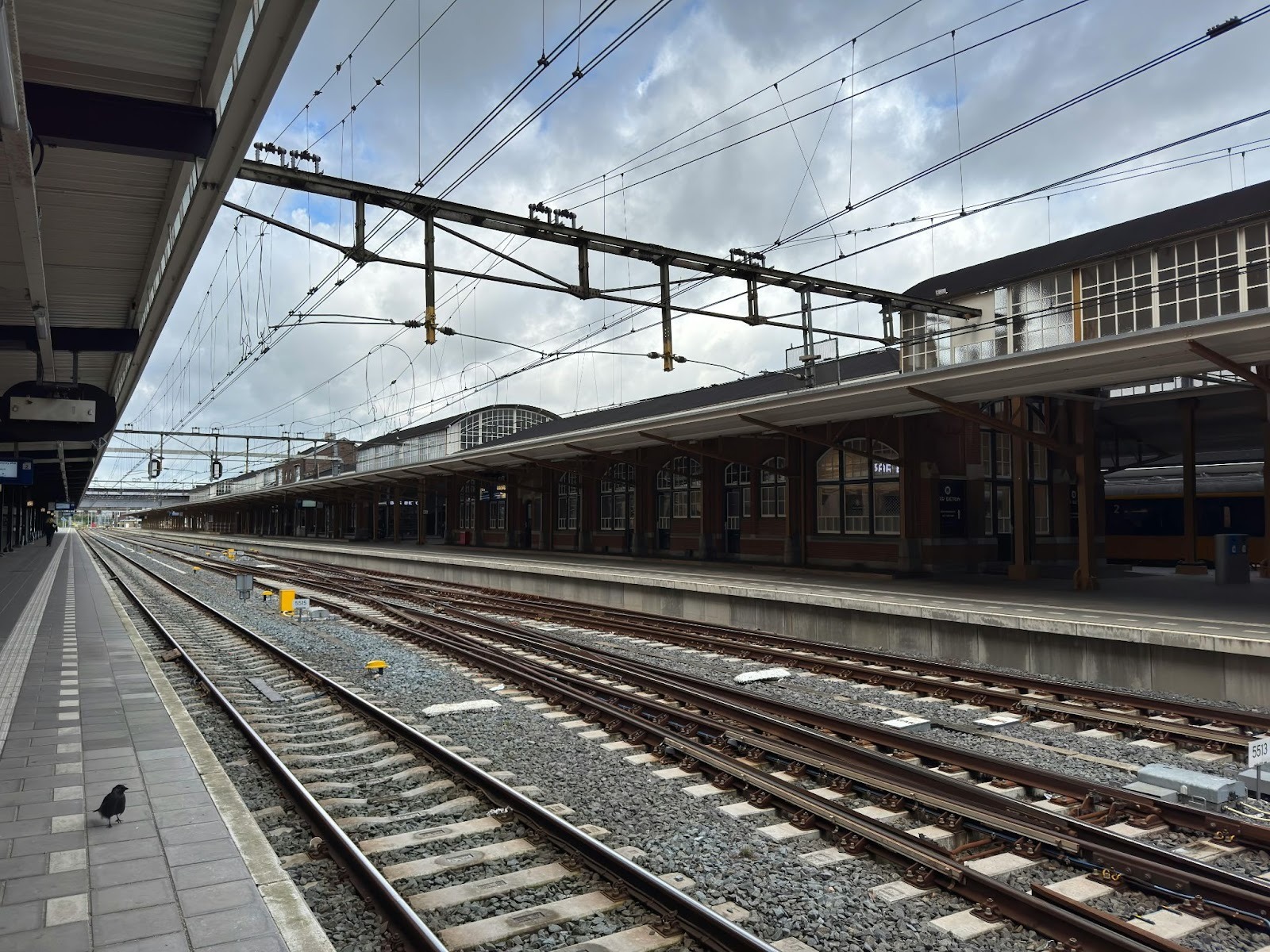
Distance is a common concern for those moving to the outskirts, but in Amersfoort, this concern is minimized by high-quality cycling highways. Many residents find they can reach the city center in under 20 minutes by e-bike, often spending less on daily travel than they initially expected.
The efficiency of these routes ensures that distance feels much smaller in practice than it appears on a map. This connectivity allows households to enjoy a larger home while remaining closely linked to the cultural and social hubs of the central city.
Newer housing stock improves long-term affordability
Many homes in the outskirts include newer residential developments built with high energy standards, often carrying A++ or A+++ labels. These properties feature superior insulation and heat pump systems that significantly reduce monthly utility bills and long-term maintenance costs.
In 2026, energy efficiency is increasingly viewed as a form of financial security rather than just a technical detail. Lower monthly outgoings on energy allow families to allocate their budget toward other priorities, making the total cost of ownership more manageable.
Demand is rising, but not yet overheated
The outskirts are becoming more popular as central Amersfoort prices continue to rise, leading more buyers to look toward the periphery. Despite this growth, competition remains less intense than in core neighborhoods, which still see fast sales and frequent overbidding.
This market balance allows prospective buyers to make calmer, more deliberate decisions rather than rushing into a high-stakes purchase. Preparation remains a key advantage, as the market currently rewards those who enter with a clear understanding of their long-term needs.
Lifestyle trade-offs remain manageable
Living further out does affect daily rhythm, generally leading to quieter evenings with fewer cafés or late-night venues immediately nearby. For many households, these changes feel like a fair trade-off when weighed against the benefits of extra space and significant housing savings.
Affordability often helps families reshape their priorities, focusing on private gardens and local community networks rather than constant urban stimulation. This shift in lifestyle frequently results in a higher overall quality of life and reduced daily stress.
The outskirts attract long-term residents
People choosing the outskirts often plan to stay for extended periods, which helps create stable neighborhoods with lower residential turnover. This stability is a quiet driver of affordability, as it limits the constant market churn that can inflate prices.
When neighbors stay for years, it strengthens the local social fabric and provides a predictable environment for children to grow up in. Long stays also help stabilize housing costs by reducing the need for frequent moves and the associated transaction fees.

What newcomers often underestimate
Many newcomers underestimate how little they actually give up by living in the outskirts. Modern cycling infrastructure and reliable rail links ensure that access to central services and social life remains strong, while the intensity of city noise and traffic drops away.
The psychological relief that comes with lower monthly costs is often more significant than residents anticipate. This sense of security provides a comfort that has real value, allowing families to enjoy their home and community without the constant distraction of financial pressure.
When outskirts' affordability may not be enough
For those who thrive on constant urban activity or require the status of a central address, the outskirts may feel too quiet. The lower price point works most effectively when it aligns with a personal preference for predictable routines and a slower pace of life.
Lifestyle fit remains essential because affordability alone cannot replace the specific energy of a dense city core. Choosing the outskirts is a long-term commitment to a form of living that prioritizes personal space and environmental calm over immediate proximity to nightlife.
Comfort over proximity
The outskirts of Amersfoort offer a sustainable form of living where lower housing prices and more space combine to create a lasting sense of stability. These savings are tangible, resulting in a lifestyle that remains affordable month after month and year after year.
For households willing to trade a short commute for long-term peace of mind, the periphery quietly delivers a superior quality of life. In 2026, this balance between accessibility and affordability makes the outskirts a grounded and reliable choice for the future.


