February 8, 2026
Why should tenants and buyers review the fine print in contracts?
2/12/2025
February 21, 2026
February 21, 2026

Fine print is easy to ignore, especially when the larger terms already feel stressful enough. During a housing search or loan process in the Netherlands, contracts often arrive at moments of urgency, when securing the place matters more than reading every clause. Many people skim the main points and assume the rest is standard. What they later discover is that fine print is where most obligations quietly live, shaping daily life long after the relief of signing has faded.
Fine print defines how flexibility really works
The main clauses of a contract often describe the ideal scenario. The fine print explains what happens when things change. Notice periods, renewal conditions, and termination rules are usually detailed there. These clauses determine how easy it is to leave, renegotiate, or adapt when circumstances shift. Without reading them, flexibility remains assumed rather than defined.
Costs often hide in small clauses
Additional costs are rarely presented upfront in bold text. Service charges, maintenance responsibilities, and penalty fees are often described in the fine print. These details shape monthly expenses and long-term affordability. What looks manageable on the surface can feel heavier once these clauses take effect. Fine print turns headline numbers into lived financial reality.
Contracts aim to balance the interests of both parties, but this balance is expressed in detail rather than summary. Fine print outlines what you are expected to do and what the other party is allowed to enforce. Skipping it means accepting obligations without understanding their scope. The imbalance that renters often feel later usually originates here, not in the main terms.
Exceptional situations are defined there
Unusual situations such as repairs, disputes, or early termination are handled in the fine print. These are the moments when people most want clarity, yet they are often the least prepared. The fine print explains what happens when something goes wrong, not when everything works smoothly. Reading it shifts attention from ideal scenarios to realistic ones.
How conflicts are handled, which steps must be followed, and who decides next actions are usually specified in detail. This structure determines whether disagreements escalate quickly or slowly. Without understanding these paths, people feel powerless when issues arise. Fine print reveals whether a contract encourages resolution or conflict.
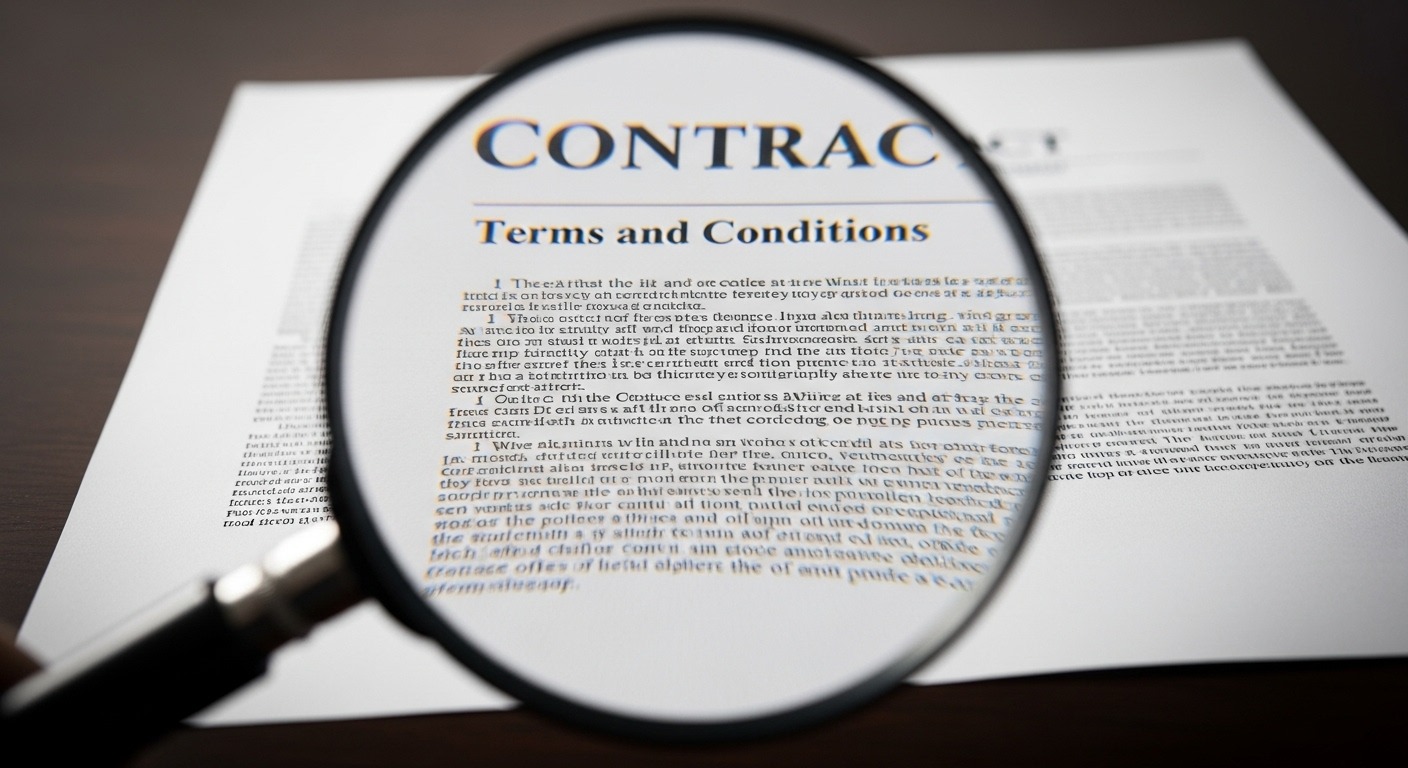
Language in fine print is precise for a reason
The wording used in fine print is deliberate, as small differences in phrasing can fundamentally change your obligations. Words like “may,” “must,” or “unless” shape exactly what is enforceable in a 2026 Dutch rental agreement. Skimming these sections risks missing signals that determine who pays for a broken boiler or when a guest becomes a subtenant. Accuracy in this legal language matters more than your immediate comfort, even if the phrasing feels repetitive. Many assumptions you might bring into a contract are quietly contradicted within the dense fine print. Expectations about annual maintenance, pet policies, or your right to paint the walls are often specifically restricted there.
When these assumptions go unchallenged at the start, frustration and legal disputes almost always follow. Fine print exists to define your practical reality, even when that reality is less generous than you initially expected.
Standard does not mean harmless
Fine print is often described by agents as "standard," which creates a false sense of safety for the signer. However, standard ROZ (Real Estate Council) clauses can still have significant consequences for your monthly budget.
Their familiarity to the landlord does not make them neutral or inherently fair to you as the tenant. Understanding these standard terms prevents "surprises," such as mandatory annual rent indexation, from feeling like an unfair shock later. Rules around noise levels, floor coverings, and the use of shared balconies are typically detailed in small, obscure clauses. These rules directly affect your everyday life and how you are permitted to use your own home.
Contracts reward attention instead of trust
Trust plays a role in any human agreement, but rental contracts are specifically written to function when that trust fails. Fine print exists to manage situations where interests diverge or where the relationship has broken down.
Relying purely on a landlord's verbal goodwill weakens your legal position when a serious problem eventually arises. Paying close attention to the written detail strengthens your standing and ensures your rights are protected. The 2026 housing scarcity in the Netherlands often makes people rush to sign before someone else takes the unit. The intense emotional relief of being "accepted" can easily mask the long-term consequences of a bad clause.
Fine print is where power becomes visible
The true power dynamics of a rental relationship emerge in the exceptions, enforcement mechanisms, and penalty clauses. Fine print shows exactly how power will be exercised, rather than how it was presented during the viewing.
Understanding these sections helps explain why some disputes can feel so one-sided once they reach the Rent Tribunal. It reveals the "teeth" of the contract that the landlord can use if they decide to escalate a disagreement. Reading the fine print does not mean you are obligated to challenge every single clause you find. The primary value of a thorough reading lies in your own awareness of the risks you are choosing to accept.
Discomfort signals importance
Fine print often feels uncomfortable to read because it removes the friendly ambiguity of a verbal conversation. It forces you to confront hard limits, specific risks, and the potential for a relationship to turn adversarial. This discomfort is a vital signal that the contract is defining boundaries that actually matter for your security. It is a sign that you are engaging with the reality of the agreement rather than a pleasant abstraction. Rental contracts are not written to reassure you or make you feel welcome; they are written to regulate behavior. Fine print protects the legal process and the landlord's asset, rather than your personal feelings.
Understanding this prevents you from misinterpreting cold, clinical clarity as a sign of personal hostility. The extreme detail is there to ensure consistency in how the law is applied, not to undermine your trust.
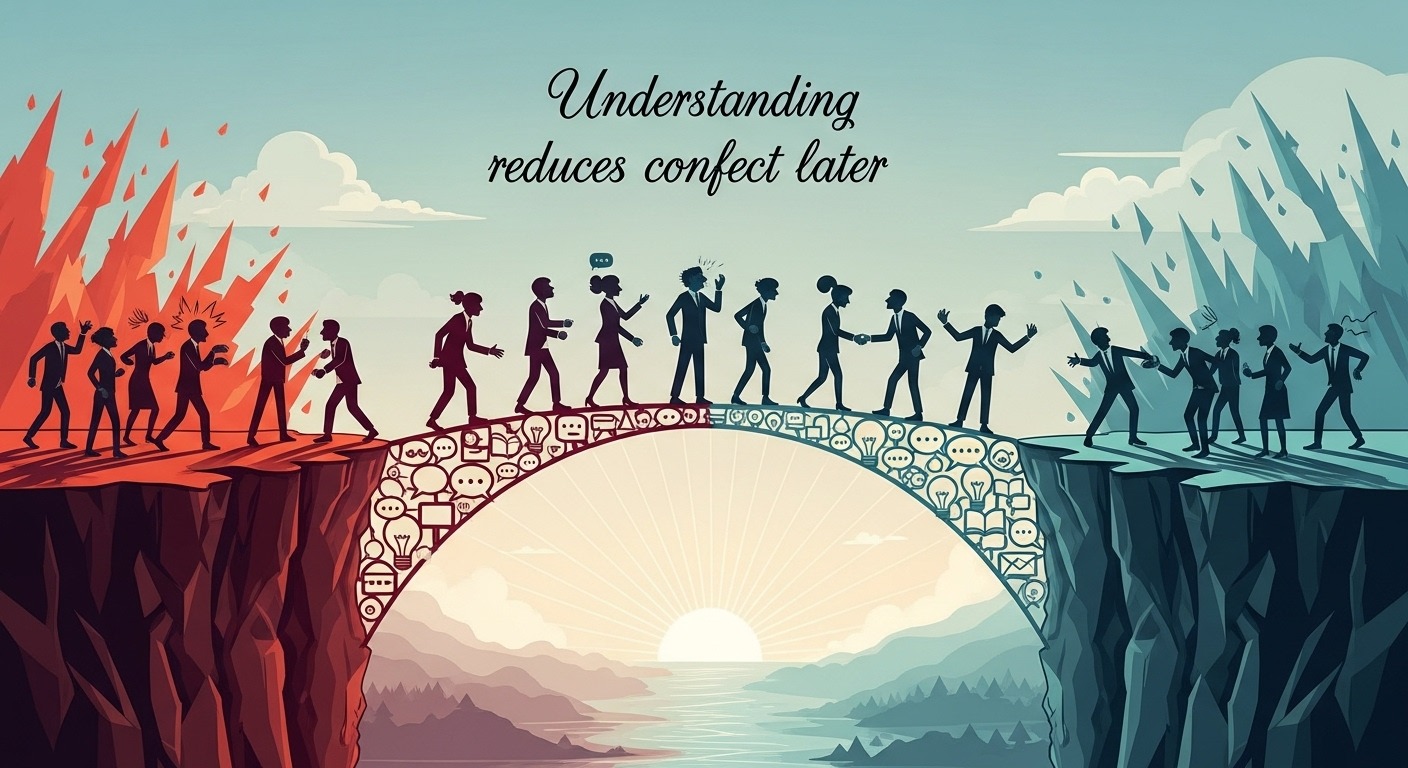
Understanding reduces conflict later
Many conflicts arise not from bad intentions, but from mismatched expectations. Reading fine print aligns expectations with reality. When disputes occur, they feel less surprising and less personal. Knowledge becomes a stabilizing factor. The impact of fine print unfolds over time. It influences how problems are handled, how costs evolve, and how easily transitions happen. Skipping it trades short-term comfort for long-term uncertainty. Reading it reverses that trade.
Clarity outweighs convenience
Reading fine print takes time and effort at an inconvenient moment. The benefit is not immediate relief, but long-term clarity. In housing and financial decisions, clarity often matters more than convenience. Understanding what you sign does not remove all risk, but it replaces surprise with awareness, which is often the most valuable protection available.