
February 8, 2026
4:15

January 9, 2026
February 8, 2026
4:05

In the logistical planning of a move in 2026, one crucial detail is often overlooked: the physical boundary of the doorway. It seems like a simple action, but pre-measuring doorways, corridors and stairwells is the difference between a smooth transition and a costly logistical disaster. At a time when we are increasingly ordering furniture online and homes are being designed more compactly and efficiently, the margins for errors are minimal. A sofa that is three centimeters too wide for the frame not only delays, but can also lead to irreparable damage to both the piece of furniture and the home.
Measuring doorways is a fundamental part of risk management during a move. In this article, we analyse why this simple measurement in 2026 is the key to a damage-free and cost-efficient moving day.
The most common reason for measuring doorways is to prevent a physical blockage. Nothing is more frustrating for a moving team than a heavy American fridge or a solid oak desk that gets stuck halfway down the hall. In 2026, many modern apartments will be equipped with extra insulation and thicker doorposts, so that the effective passage width is often smaller than meets the eye.
If you know the measurements beforehand, you can make a “route plan” for each large object. If you know that the width of the front door is 85 centimeters and that your sofa is 90 centimeters deep, you immediately know that you should use alternative methods, such as dismantling the legs or using a moving lift through the window. Measuring saves you the stress of last-minute decisions while the movers stop (at an hourly rate) at a blocked entrance.
In the 2026 housing market, landlords and buyers are extremely critical of the condition of the home upon completion. Scratches on doorposts, dents in the stucco of narrow corridors or broken fragments of wooden frames are common damage when moving where margins have not been checked beforehand.
By measuring the doorways accurately, you know exactly how much slack you have. In the professional moving world of 2026, we use the “two-centimeter rule”: an object must have at least two centimeters of space on both sides in order to be passed safely without the risk of embarrassment. If your measurements show that the space is smaller, you can take preventive measures, such as temporarily removing the door from the hinges or coating the doorposts with protective cardboard or foam. For tenants, this is essential to secure full repayment of the deposit.
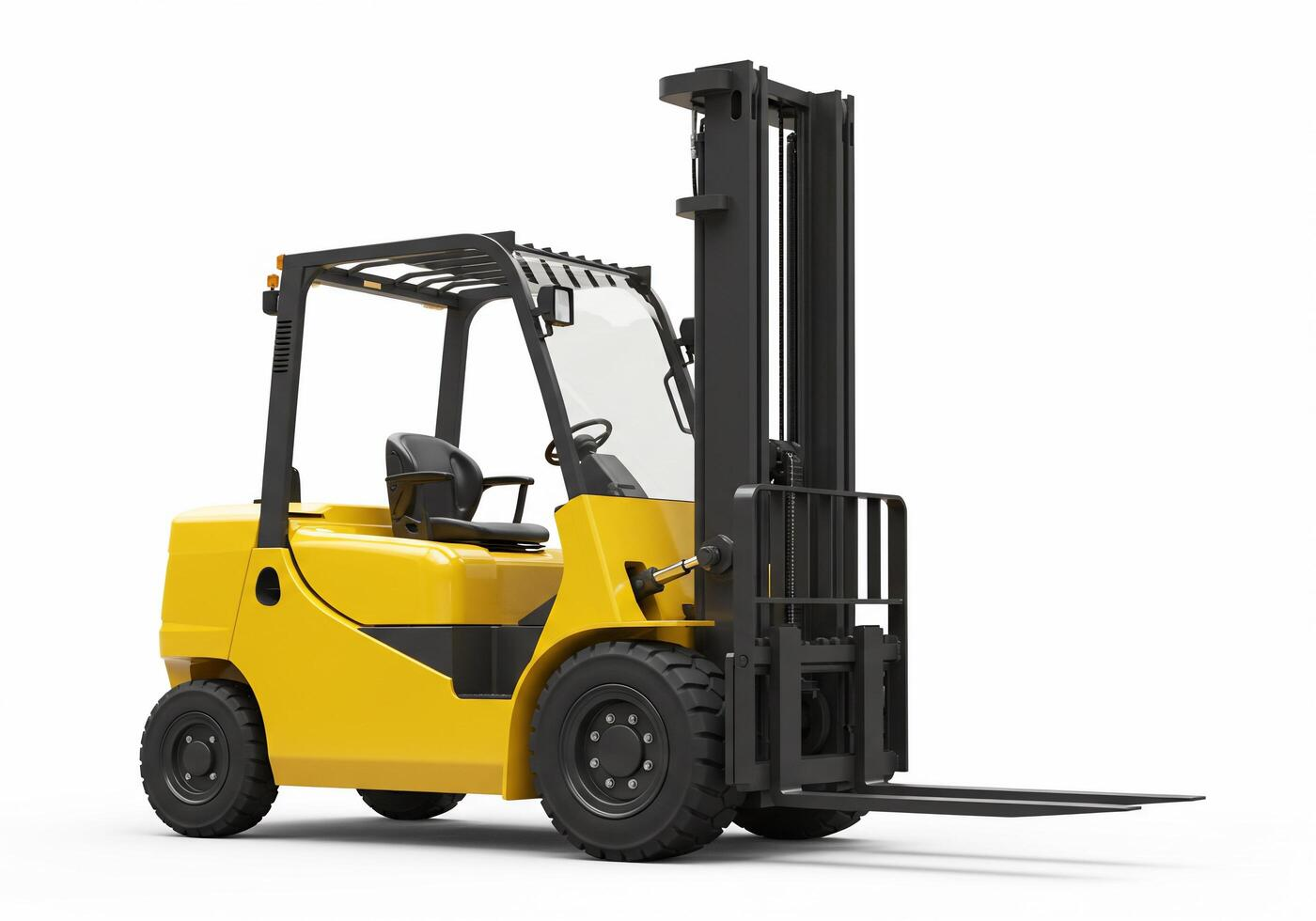
In 2026, the use of moving lifts and specialist transport equipment became more expensive due to fuel and staff costs. If you know in advance that certain objects will not fit through the interior doors, you can mention this directly when requesting a quote from the moving company.
This prevents movers from discovering on the day that they need a lift that they don't have with them. Pre-measuring allows you to make a realistic assessment of the time required and the right equipment. Does that piano have to go up the stairs or is the stairwell too narrow? Does the wardrobe fit through the corner of the landing? By answering these questions in advance with hard numbers, you optimize the logistics chain and prevent you from paying for unnecessary man-hours or emergency solutions.
Modern homes in 2026 often have unconventional floor plans with sharp corners, low ceilings in basements, or narrow staircases. Measuring the width of the door alone is often not sufficient; the “turning circle” behind the door is also crucial.
An object can physically fit through the door, but if the corridor immediately behind it makes a sharp turn, an oblong object (such as a mattress or bookcase) can still get stuck. In 2026, advanced movers will use digital 3D scanners or simple AR apps on their smartphones to simulate these walking routes. However, manually measuring the height, width and diagonal space of doorways remains the most reliable basis for any simulation.
Many people not only move their old furniture, but also order new items for their new homes. In 2026, many furniture stores and white goods suppliers will have strict conditions: if a device or piece of furniture does not fit in because the access routes are too narrow, the customer will often have to pay the return transport costs and administrative costs.
By measuring the doorways of your new home before ordering that new corner sofa or extra wide washing machine, you can prevent these unnecessary expenses. You can base your purchase decision on the physical reality of your home. In 2026, “measuring is knowing” is the most important advice for anyone who renews their interior without losing sight of logistical feasibility.
In addition to material damage, there is the aspect of health and safety. Movers who have to push heavy objects through openings that are too tight are at increased risk of injury. The risk of entrapment for fingers and hands is a real risk if there is no space to hold the object properly during passage.
When you indicate in advance where the bottlenecks are based on your measurements, the team can determine a safe lifting strategy. This may mean that they use additional slings, turn the object on its side, or decide to partially disassemble the piece of furniture. A well-prepared route through the doorways ensures a quieter work pace and a significant reduction in the risk of industrial accidents at your moving location.
Measuring doorways is a small investment in time that will pay for itself immediately in 2026 in the form of lower costs, less damage and a stress-free moving experience.

