
February 8, 2026
4:15

January 30, 2026
February 8, 2026
4:25

A move in 2026 is a logistical operation where the smallest details make the biggest difference. While most people focus on packing boxes and taking care of administrative matters, one crucial element is often overlooked: the physical space a moving van needs to park. In the increasingly densely populated cities of the Netherlands, where the pressure on public space is increasing and parking rules are stricter than ever, planning a parking space for the truck is no longer an afterthought, but an absolute necessity. A lack of planning can lead to significant delays, heavy fines and even the complete stagnation of the moving day.
Reserving the right space in front of the door is the cornerstone of an efficient move. In this article, we analyze why proactive parking planning in 2026 is essential for the safety, cost control and overall progress of your moving project.
The most immediate reason to plan parking space right in front of the house is to shorten the walking distance between the front door and the tailgate. An average moving van will have a length of 8 to 12 meters in 2026, and extra space is needed behind it for the tailgate and loading and unloading.
When a truck has to park three blocks away because there is no space in front of the door, the time it takes to load increases exponentially. Movers have to travel extra meters hundreds of times with heavy furniture and boxes. This not only leads to fatigue and an increased risk of physical injury to the team, but also increases the risk of damage to your property. The longer the transport path on public roads, the greater the risk of stumbling, collisions with passers-by or exposure to adverse weather conditions. A reserved spot directly in front of the door ensures a controlled and short loading zone.
In 2026, municipalities will enforce more stringent measures on illegal parking and road obstruction. A moving van that “briefly” stands on the sidewalk, on a bike path or in the middle of a roadway is immediately noticed by digital enforcement systems or scan cars in many cities. Without the appropriate permits or exemptions, the fines for a truck can increase significantly.
In addition, an illegally parked truck can block access for emergency and emergency services. If a fire truck or ambulance cannot enter a street because your move is blocking the road, the legal and moral consequences are incalculable. By applying for an official parking permit or traffic decree from the municipality in advance, you will receive permission to temporarily use the public space exclusively. In 2026, this process was often fully digitized, allowing you to request temporary parking ban signs that are placed by the municipality via an app.
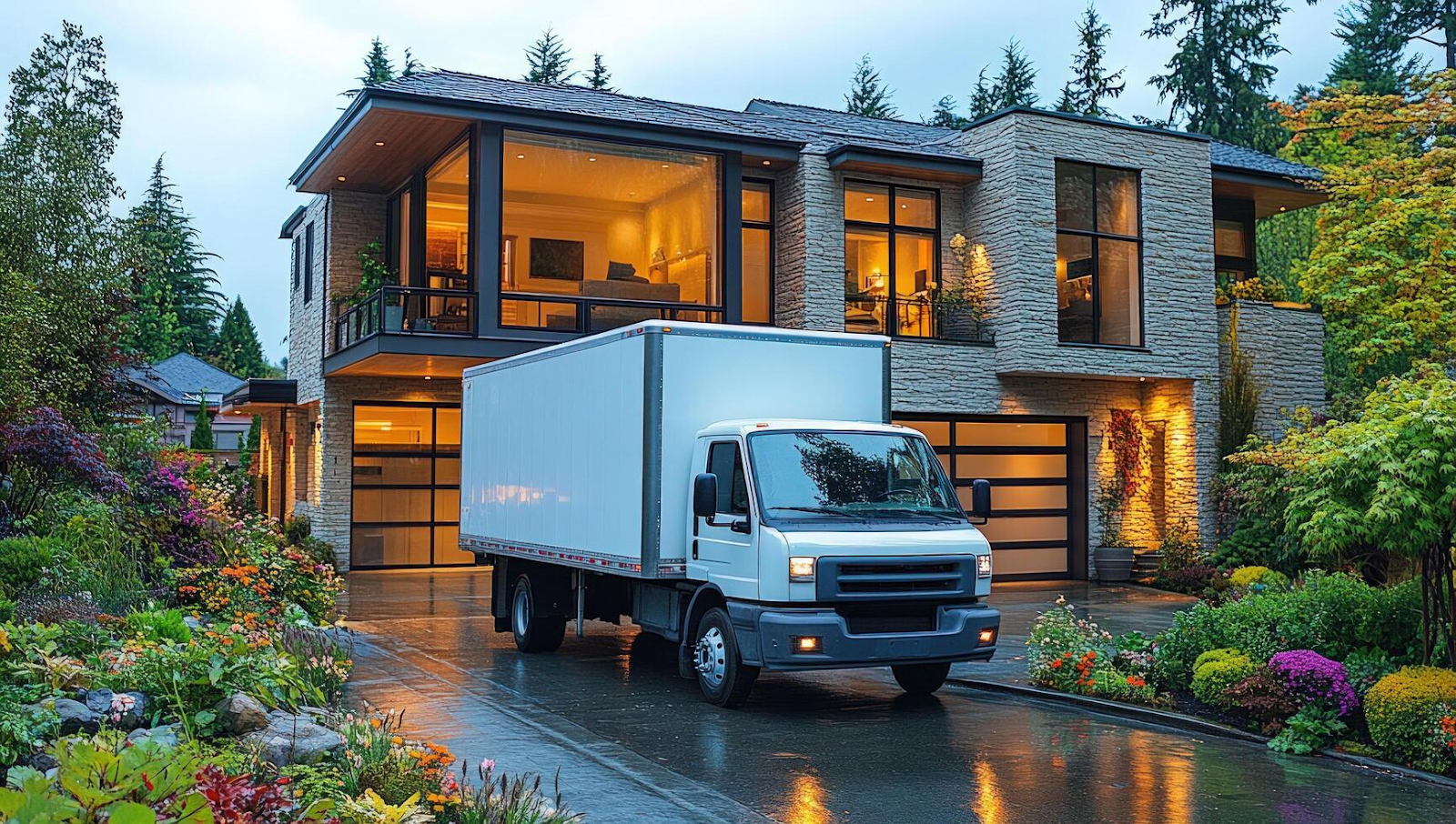
Time is money, especially when moving where you often pay an hourly rate for the moving team and the truck. When the truck first has to circle around the neighborhood for twenty minutes upon arrival to find a suitable spot, the meter is already ticking. Even worse is the scenario where the truck has to be moved during the day because neighbours have to get rid of their cars or because the garbage truck has to go by.
A planned parking space guarantees that professionals can get to work immediately upon arrival. This ensures a constant workflow. The 2026 logistical planning takes into account “loading and unloading times”. Once you have reserved the parking space, you will stay within the agreed timeframe and avoid paying extra for extra hours lost due to logistical chaos around the vehicle.
A moving location is in fact a temporary workplace on public roads. Heavy objects are being lifted, moving elevators are used and there is constant movement around the car. When the truck is parked in a tight or unclear place, dangerous situations arise for cyclists, children playing and other traffic.
By pre-planning and cordoning off the car park with official signs or ribbons, you create a safe buffer zone. This gives the movers the space to operate the tailgate safely without direct traffic passing by. In 2026, the Working Conditions legislation for moving companies will be very strict; a professional team may refuse to load or unload if the parking situation is assessed as unsafe. Planning the parking space is therefore also a prerequisite for guaranteeing the moving company's service at all.

Many moves in 2026, especially to apartments or homes with narrow stairwells, use an external moving lift. Such a lift requires a very specific location: right under the window or balcony where the items come out, with a firm surface and sufficient distance from trees and lampposts.
Without a pre-reserved and vacant parking space, it is often impossible to set up the lift safely. The lift must be at a specific angle to ensure stability. If a neighbor's car is parked in the exact spot where the elevator should be, the entire move cannot take place. Planning the parking space therefore also means checking the environment for obstacles above the vehicle, such as overhanging branches or electricity cables, that can make it difficult to use a lift.
A move inevitably causes some inconvenience in the street. However, the way you arrange the parking situation largely determines the first impression you make on your new neighbors (or the last impression with your old neighbors). Nothing is more annoying for neighbors than suddenly being confronted with a blocking truck that prevents them from leaving their own driveway or letting their children cycle safely to school.
By placing parking signs in time or informing neighbours via a neighborhood app or note, you show respect for their living environment. In 2026, social acceptance of major logistical movements in residential areas will be an important theme. An officially reserved spot provides clarity: everyone knows where they stand and irritation about “that big car” is minimized because the inconvenience has been announced in advance and is limited to the reserved area.

