February 7, 2026
Why is Nijmegen becoming more popular among renters?
5/1/2025
February 20, 2026
February 20, 2026
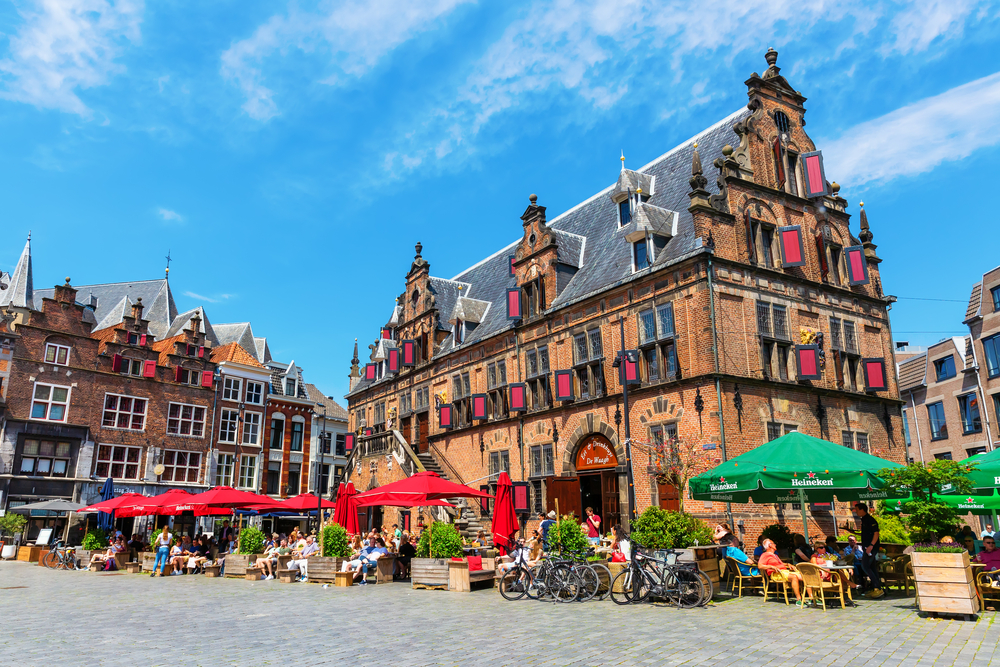
Nijmegen has been quietly attracting more renters over the past few years, often surprising people who still associate the city mainly with students or day trips. In reality, Nijmegen has evolved into a place where renting feels not just temporary, but genuinely livable, especially for people who want balance rather than intensity.
The rise in renters isn’t driven by a single trend. It’s the result of affordability, lifestyle appeal, and a rental experience that feels calmer than in many larger cities.
Renting feels more attainable than in Randstad cities
The primary draw for many moving to Nijmegen in 2026 is the significant price gap compared to the western Netherlands. While a standard one-bedroom apartment in Amsterdam might demand a monthly budget of €1,800 to €2,200, similar units in Nijmegen’s center or the popular Nijmegen-Oost district typically range between €1,100 and €1,450.
This financial breathing room allows renters to focus on lifestyle rather than pure survival. Furthermore, from January 2026, the Dutch government has scrapped the rent ceiling for the rental allowance (huurtoeslag), meaning more middle-income renters in the private sector may now qualify for support, provided they meet income and asset requirements.
The city offers space without feeling remote
One of the most praised aspects of Nijmegen's rental stock is the generous physical quality of the living space. In 2026, renters often find that for the same price as a cramped studio in a larger city, they can secure a multi-room apartment of 60 to 80 $m^2$ with dedicated work-from-home zones and private outdoor areas.
This extra room is essential for the hybrid work culture that remains a standard in 2026. Having a separate office or a spacious kitchen improves your daily rhythm, providing a sense of "home" that is increasingly difficult to find in the highly densified centers of the Randstad.
A strong student base supports rental supply
The presence of Radboud University ensures a constant flow of rental listings, particularly during the transition months of August and February. While student demand is high, the sheer volume of "student houses" helps keep the broader market active and prevents the city from becoming stagnant for other renters.
In neighborhoods like Hatert or Dukenburg, the market is even more diverse, offering larger apartments that are less impacted by the academic cycle. This supply allows the city to maintain a healthy turnover rate, ensuring that diligent searchers can usually find a place within a few months.
Neighborhoods feel settled rather than transient
A common concern in rental-heavy cities is a lack of community, but Nijmegen’s neighborhoods often feel remarkably grounded and stable. Renters here frequently stay for several years, building genuine connections with neighbors and local shopkeepers, which enhances the city's overall livability.
This stability is particularly evident in newer areas like Lent and the Waalfront, where high-performance rental developments are integrated into family-centric zones. For many, renting in Nijmegen is not a temporary "waiting room" for ownership; it is a sustainable, high-quality way of life in one of the country's most balanced urban environments.
Lifestyle appeal attracts renters by choice
Many professionals are moving to Nijmegen intentionally to escape the "always-on" energy of the Randstad. Renting here allows individuals to immerse themselves in the city’s historic Roman roots and vibrant local markets without the immediate pressure of a thirty-year mortgage.
The city’s high walkability and compact center mean that daily life feels more human-scaled and less reliant on heavy transit. This lifestyle focus attracts residents who value time and experience, using their rental period to fully explore the city's unique balance of ancient history and modern buzz.
Green surroundings add everyday value
Nijmegen remains one of the greenest urban areas in the Netherlands, with the vast Ooijpolder nature reserve and the rolling hills of Berg en Dal just minutes from the residential core. For renters, this proximity to nature effectively expands their living room, as the "outdoor office" or weekend trail is always accessible.
This integration of landscape and city means that living in a smaller apartment feels less restrictive than it would in a denser metropolis. Nature isn't just a destination you visit on weekends; it is a consistent backdrop that offsets the intensity of urban life and improves daily mental well-being.
Work flexibility supports renting longer
The established hybrid work culture of 2026 has made Nijmegen a primary choice for those who work for Amsterdam or Utrecht-based firms but only commute once or twice a week. Renting here provides a high-quality home base that is significantly more affordable than a comparable space in the western hubs.
Strong rail connections ensure that career options remain broad, with Intercity trains reaching Utrecht in approximately an hour. This flexibility allows renters to maintain ambitious career paths while enjoying a significantly lower cost of living and a higher pace of life.
Renting offers a low-risk way to commit to the city
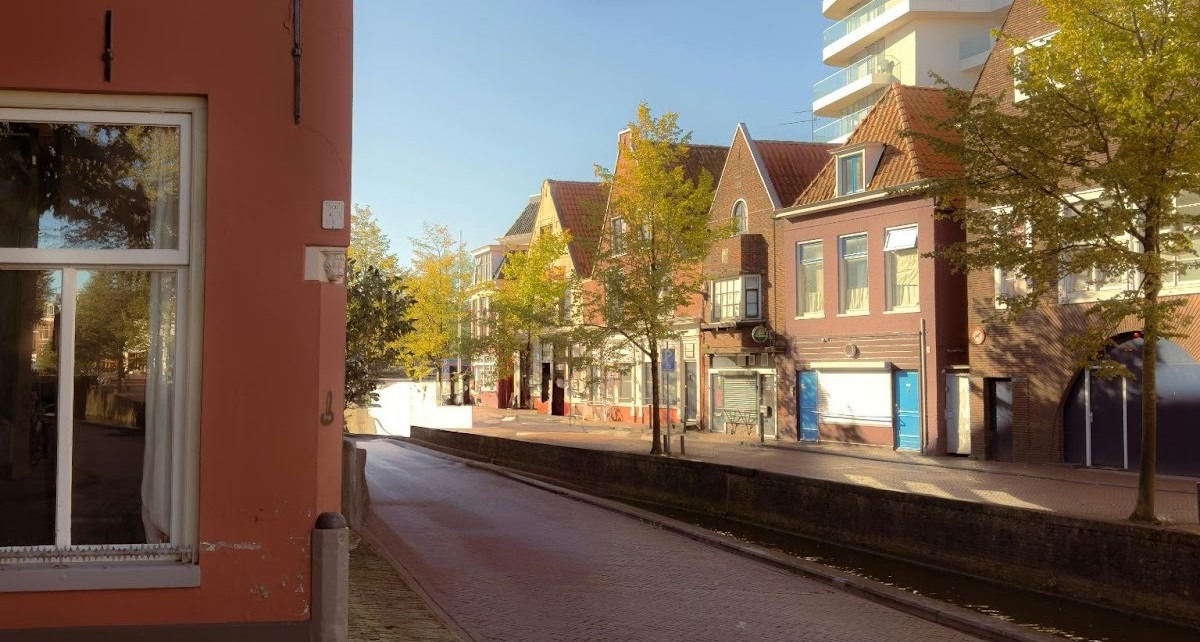
For many, renting in Nijmegen serves as a vital trial period to experience the city's distinct "Upper" and "Lower" town geography. This period allows newcomers to navigate the steep alleys of the city center or the modern riverfront developments of the Waalfront to determine which neighborhood truly matches their daily rhythm.
By testing the commute and local amenities through a rental, residents can make a more informed decision before transitioning into the local buying market. This approach significantly reduces the risk of long-term dissatisfaction, ensuring that when a commitment is made, it is based on lived experience rather than just a property listing.
When Nijmegen may not suit all renters
While the city boasts a vibrant social scene with venues like Luxor Live and the industrial Honigcomplex, it may feel too quiet for those who thrive on the 24/7 international intensity of Amsterdam. The nightlife here is intimate and "gezellig," prioritizing quality local interactions over a massive, nonstop global party scene.
Additionally, the international community, while growing thanks to Radboud University, is more concentrated around specific academic and tech hubs. Renters seeking a purely English-speaking urban bubble might find the city’s deeply rooted Dutch character a bit of a hurdle if they are not interested in local integration.