February 8, 2026
Why forward mail during transition periods?
15/11/2023
February 8, 2026
February 8, 2026

In the digital age of 2026, people might think that physical mail is a thing of the past. However, nothing could be further from the truth. Although invoices and official announcements are increasingly coming in via e-mail or government portals such as “MyGovernment”, a significant part of our administrative and personal correspondence remains dependent on the physical postal network. During a move or a temporary stay abroad, arranging a postal forwarding service is not just a luxury, but a crucial security measure. It forms the bridge between your old life and your new destination and prevents sensitive information from falling into the wrong hands or missing important deadlines.
Forwarding mail during a transition period offers a safety net that digital systems cannot always provide. In this article, we'll explore why this service is essential for your privacy, financial health, and peace of mind in 2026.
Identity fraud protection
The main reason for using a forwarding service in 2026 is security. When you leave a home, your name often remains associated with that address in the systems of various companies and associations for months. Mail that continues to be delivered to your old address often contains personal information: your full name, date of birth, customer numbers, and sometimes even information about your financial status.
If this mail is left unattended in a shared hall of an apartment complex or is carelessly thrown into the waste paper by the new residents, you run a real risk of identity fraud. Malicious parties can collect this information to open accounts or place orders in your name. By having your mail officially forwarded by a party like PostNL, you ensure that these documents end up directly in your own mailbox, far from prying eyes.
Preventing administrative gaps
In the chaos of a move, even the most organized person sometimes forgets to inform an authority about the change of address. Think of that one small insurer, a medical specialist who only visits you sporadically, or a magazine subscription that you took out years ago.
In 2026, a forwarding service will act as a filter that captures this “forgotten” correspondence. As soon as you receive a letter that has been forwarded (often identified by a sticker or print on the envelope), you will receive an immediate visual reminder that you need to send that specific company another change of address. Without this mechanism, the mail would simply stop coming, while the liabilities would remain. This prevents you from unknowingly running into payment arrears or missing important legal documents that are not sent digitally.

Continuity in business correspondence
For freelancers and entrepreneurs who work from home, mail forwarding is an absolute necessity in 2026. Business relations, the Chamber of Commerce and tax authorities still send paper supporting documents, passes and official orders by mail.
An interruption in the receipt of this mail may result in serious operational problems. If a bank card or a new business banking token is sent to an old address, it can shut down your business for days. By using a business forwarding service, you maintain professional continuity. It offers you the time to systematically inform your business relationships without jeopardizing the daily flow of information.
Privacy and relationships with new residents
There is also a social aspect to forwarding mail. While most new residents are of good will, it is not their responsibility to keep, forward, or return your mail to the sender for months. In 2026, where time is scarce, it can become a source of irritation for new residents if the mailbox fills up daily with mail for the previous owner.
By setting up a forwarding service yourself, you relieve the new residents and maintain your privacy. After all, you don't want strangers to know which medical clinic you get mail from or which political party you're affiliated with. An official forwarding service is a discreet way to completely cut ties with your old address without being dependent on the benevolence of third parties.
Legal and tax deadlines
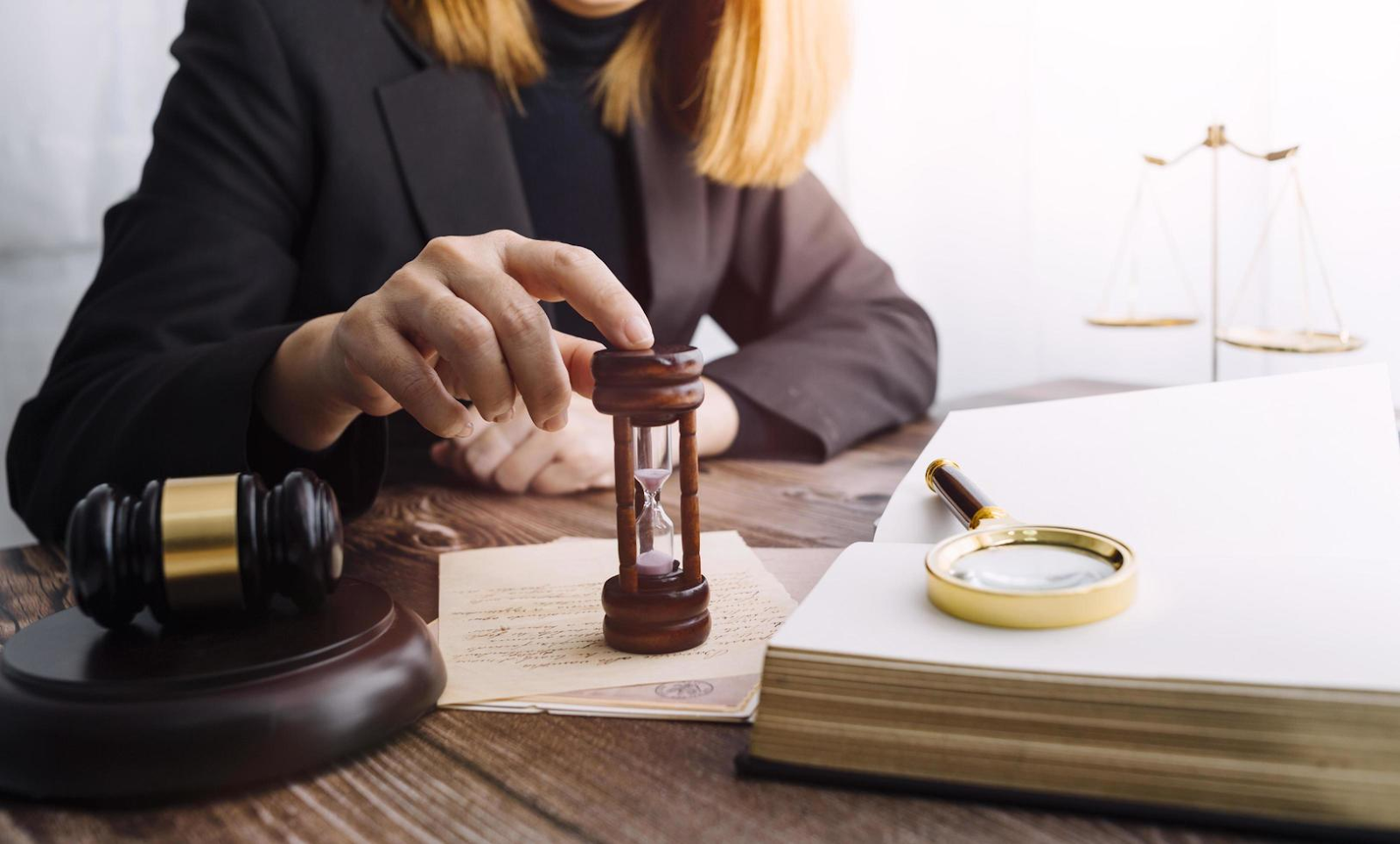
In the 2026 legal world, the rule often still applies that a document is considered “received” as soon as it has been delivered to the last known address. This applies to subpoenas, fines from the CJIB, or important announcements from the tax authorities.
If you don't have mail forwarded and miss a fine delivered to your old address, the increases can add up quickly. In an appeal procedure, you can rarely rely on the fact that you have moved if you have not taken measures to manage your mail flow. The cost of a forwarding service for six months is nothing compared to the cost of one missed traffic ticket that was increased twice due to non-payment. It is insurance against the bureaucratic mallemill.
The transition to a fully digital life
Ultimately, forwarding mail in 2026 is a tool to complete the transition to fully digital administration. During the period that the mail is forwarded, you can indicate to each sender that you only want to receive digital correspondence from now on.
Many forwarding services now also offer the option to scan mail and forward it digitally. This is ideal for people who move abroad or travel a lot. You see the content of your post in a secure app, and then you can decide whether to keep, forward, or destroy the physical document. This makes the transition from physical administration to a cloud-based environment smooth and secure, without the risk of losing information along the way.
So forwarding mail is much more than a convenient service; it's an essential part of your personal data security and administrative hygiene during any major life change.