February 8, 2026
Why does social housing exclude expats?
9/9/2025
February 20, 2026
February 20, 2026
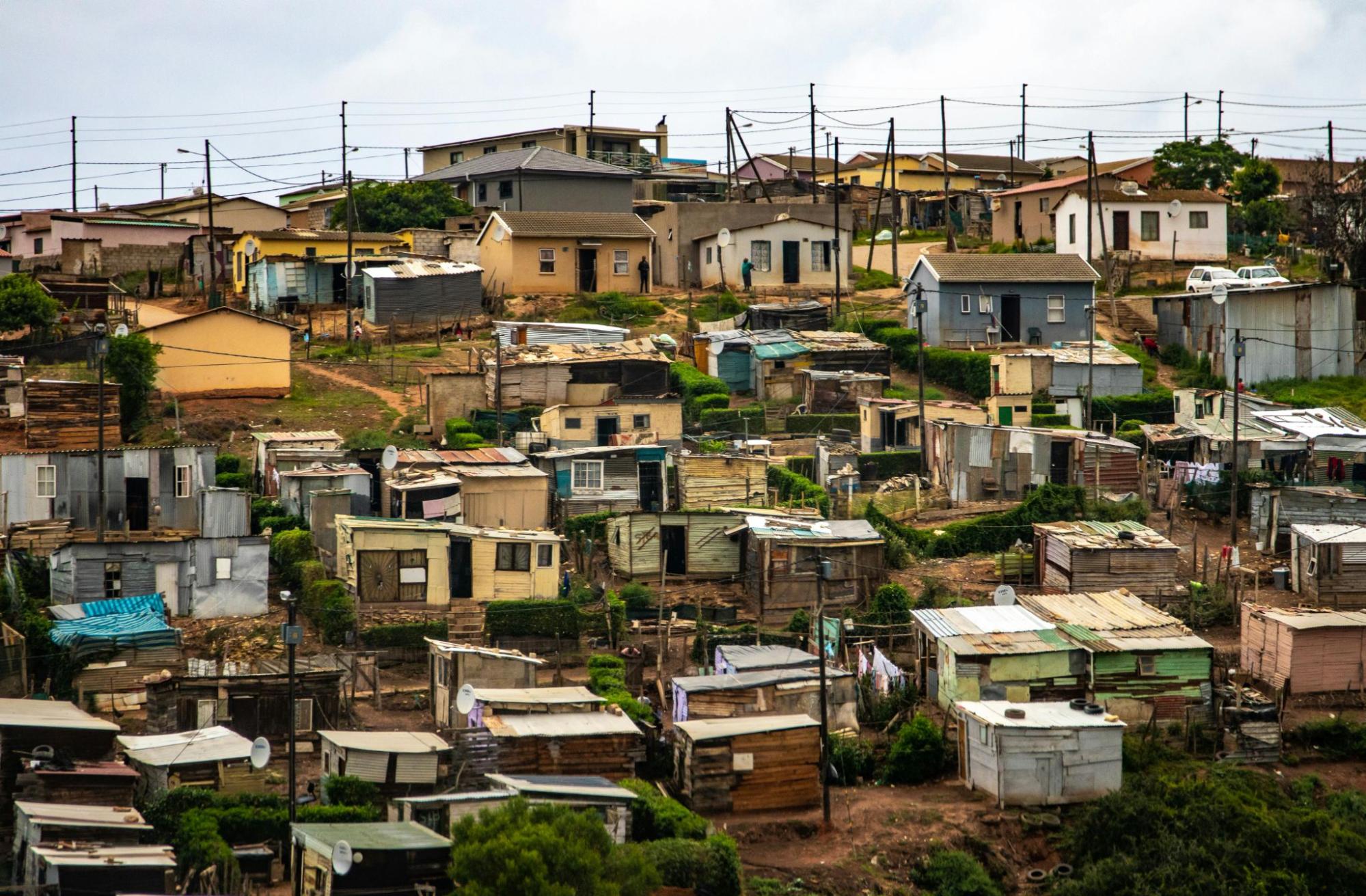
Social housing often comes up as a point of confusion and frustration for expats living in the Netherlands. On paper, it looks like a safety net designed to keep housing affordable, especially in cities where private rents feel out of reach. Yet for many expats, social housing feels effectively closed off, even when incomes are modest and the need is real. What creates this exclusion is not a single rule or explicit barrier, but a system built around long-term residence, waiting time, and local prioritization.
Social housing is built around long-term presence
At its core, social housing in the Netherlands is designed for people who are expected to live in the country long term. The system assumes stability over years rather than months. Waiting lists stretch far into the future, often requiring a decade or more before an offer becomes realistic. For expats who arrive for work or study without certainty about how long they will stay, this structure immediately places them at a disadvantage, even if they meet income thresholds.
Waiting time outweighs immediate need
One of the defining features of social housing is the importance of waiting time. Registration starts the clock, and priority is largely determined by how long someone has been registered rather than how urgently they need housing. Expats usually enter the system late, long after local residents have accumulated years of waiting time. This makes access feel impossible not because of formal exclusion, but because the system rewards patience and longevity rather than current circumstances.
Local ties shape priority systems
Many social housing allocations prioritize people with local ties, such as long-term residence in a municipality or region. These criteria are meant to keep communities stable and prevent the displacement of residents who have lived in an area for years. For expats, who often move between cities or countries, these local ties are harder to demonstrate. Even when legally eligible, the absence of a long local history reduces priority and delays outcomes indefinitely.

Income rules interact with career stages
Social housing targets lower- and middle-income households, but income rules interact awkwardly with expat career paths. Many expats arrive on contracts that pay above social housing thresholds, even if private rents still feel unaffordable. Others experience income growth over time, pushing them out of eligibility before waiting lists move. This creates a narrow window where social housing might technically be accessible, but practically unreachable due to timing.
Temporary residence creates uncertainty
Expats often live on temporary residence permits tied to employment or study. While these permits allow legal residence, they signal uncertainty about long-term stay. Social housing providers manage risk by prioritizing households likely to remain in the country and the property for many years. Temporary status does not automatically disqualify someone, but it affects how durable their housing need is perceived to be within a system designed for permanence.
Social housing providers operate under pressure to allocate limited homes efficiently and fairly. Predictability matters. Households with stable, long-term situations fit more easily into allocation models than those whose future location depends on visas, contracts, or international mobility. Expats are not excluded by intent, but their profiles introduce uncertainty that the system is not designed to accommodate smoothly.
Emergency pathways rarely apply to newcomers
Some social housing access routes exist for urgent or emergency situations. These pathways are often tied to local social services, family circumstances, or long-standing vulnerability within a municipality. Expats, especially recent arrivals, are less likely to be connected to these networks or qualify under their criteria. As a result, the safety nets available to residents in crisis often feel inaccessible to newcomers, even when their housing situation is unstable.
Navigating social housing requires understanding complex platforms, rules, and documentation, much of which is communicated primarily in Dutch. While language alone is not a formal barrier, it adds friction at every step. Expats may register later, misunderstand priority rules, or miss opportunities simply because the system is unfamiliar. In a process where timing is everything, even small delays matter.
The system was not designed for mobility
Modern expat life is often defined by mobility. People move for work, switch cities, or leave the country entirely within a few years. Social housing systems were designed in a different era, when long-term settlement was the norm. This mismatch explains much of the exclusion expats experience. The system does not adapt easily to temporary or transitional residents, even when they contribute economically and socially.
For expats, being effectively shut out of social housing often feels personal, as if they are being judged as less deserving. In reality, the exclusion is structural. The system prioritizes time, continuity, and local embeddedness over immediate affordability. These criteria align poorly with expat life patterns, but they are not specifically targeted at expats. The outcome feels exclusionary because the system was never designed with them in mind.

Private renting becomes the default, not the choice
Because social housing is so difficult to access, expats are pushed almost entirely into the private rental market. This concentrates demand in an already competitive sector and reinforces the feeling that expats are competing with locals for scarce private rentals. The absence of social housing as an option narrows choices and increases financial pressure, especially in the early years of residence.
Misunderstanding fuels frustration
Many expats assume social housing works like subsidized housing elsewhere, where eligibility leads more directly to access. When expectations meet reality, frustration follows. The gap between how social housing is perceived and how it actually functions creates disappointment that could be avoided with a clearer understanding. The system does not exclude expats by rule, but it excludes them by design.
Making social housing accessible to expats would require rethinking core principles such as waiting time, local priority, and assumptions about permanence. These changes would affect the entire system, not just newcomers. As long as scarcity remains and long-term residents dominate waiting lists, expats will continue to experience social housing as something that exists in theory but not in practice.
Understanding exclusion without internalizing it
Recognizing why social housing feels inaccessible helps separate personal experience from systemic design. Expats are not failing to qualify; they are encountering a system built for different life patterns. This understanding does not create access, but it reduces self-blame and confusion. In a housing market already full of uncertainty, clarity about why certain options are effectively closed can make the remaining choices easier to navigate, even if they remain limited.