February 7, 2026
Why does parking increase housing costs in the city?
3/5/2023
February 7, 2026
February 7, 2026

In 2026, living in the city is often associated with proximity: everything is within walking or cycling distance. Nevertheless, for many townspeople, the car remains a necessary evil or a cherished luxury. What many residents underestimate, however, is how deeply the presence of a car cuts into the monthly living budget. In the modern Dutch city, parking is no longer an afterthought, but a significant cost that significantly influences the total cost of living.
From the direct costs of permits to hidden prices in the real estate market, parking has become one of the most complex factors in the urban economy of 2026. In this article, we investigate why parking increases housing costs so much and what mechanisms lie behind this.
The direct costs: Parking permits and rates
The most visible increase in housing costs comes from municipal policy. By 2026, almost all large and medium-sized cities in the Netherlands, from Amsterdam and Utrecht to Eindhoven and Groningen, expanded their paid parking zones to the suburbs.
- Explosion in licensing rates: Municipalities use parking fees not only to regulate parking pressure, but also to close gaps in the budget (the so-called “ravine year” of 2026). As a result, the costs for a first resident permit in many cities have risen to between €200 and €600 per year.
- The second car as a luxury object: The policy for a second parking permit will be extremely discouraging in 2026. Many municipalities use a progressive rate where a second permit is three to five times more expensive than the first, or they simply no longer issue a second permit. This forces households to use expensive private parking solutions.

The hidden costs in a new building: The parking norm
Anyone who buys or rents a new-build apartment in 2026 indirectly pays for the parking facilities, even if you don't own a car. This is due to the so-called parking standard: the obligation for developers to create a certain number of parking spaces per home.
The construction of an underground car park is extremely expensive. In 2026, the realization of a single parking space in a sunken garage will cost an average of between €35,000 and €50,000. These costs are directly charged by the developer in the purchase price or rent of the home. In cities such as Amsterdam or Rotterdam, the mandatory purchase of a parking space can increase the purchase price of an apartment by up to 10% to 15%. As a result, residents actually pay a “parking tax” that is encrypted in their mortgage or monthly rent.
Visitor regulations and social costs
Living in the city also means entertaining guests. In 2026, the digital visitor permit will be the standard, but its limits weigh heavily on the resident's wallet.
Many cities work with an hourly quota for visitors at a discounted rate. Once this credit (often around 150 to 500 hours per year) runs out, visitors pay the regular street rate, which in city centers can now reach €5.00 to €7.50 per hour. For residents who are dependent on informal care or who regularly have family over, these “visitor costs” are a significant, often forgotten increase in daily housing costs.
The shift to private parking operators
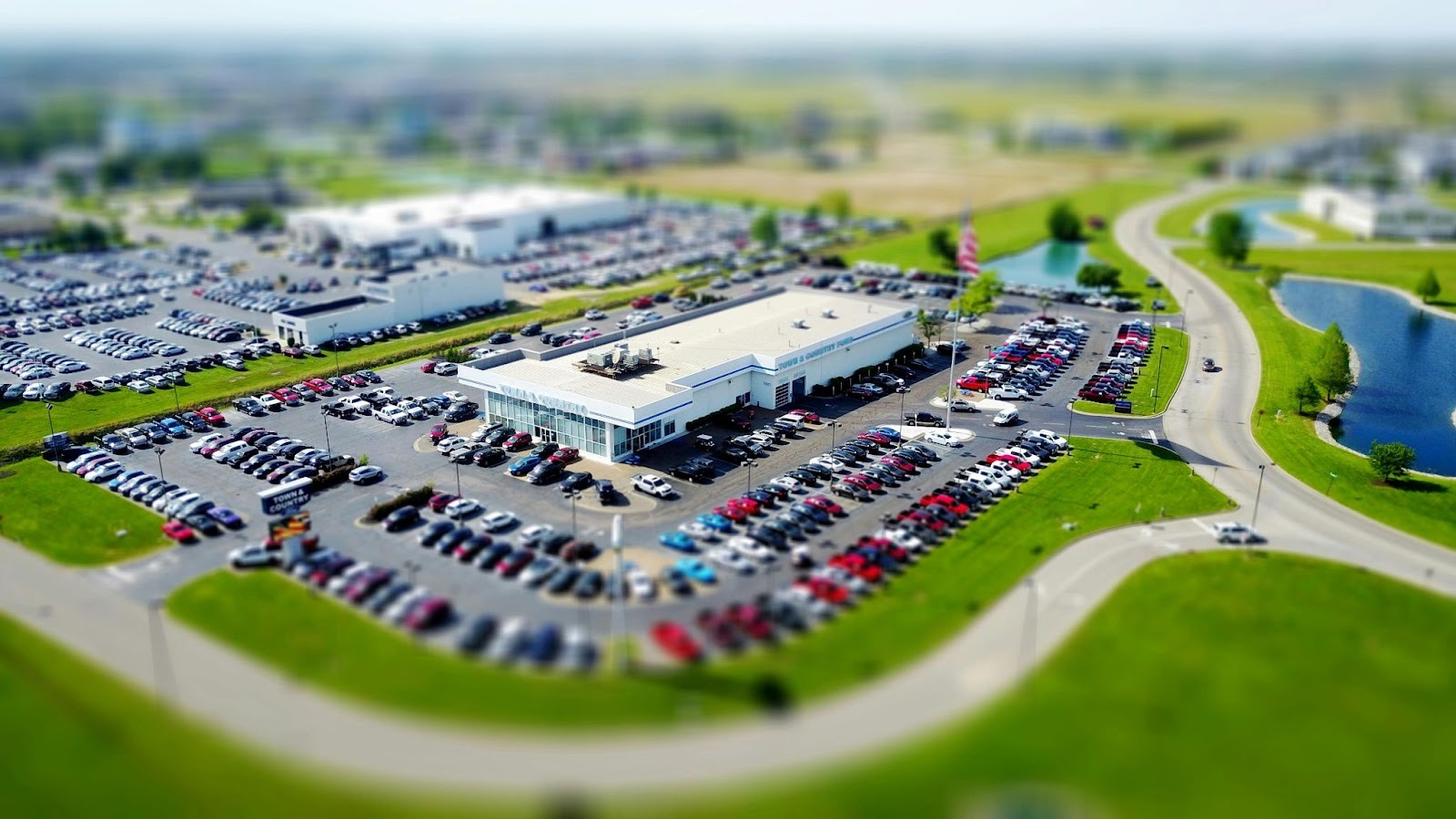
Because public space will increasingly be designed “car-free” in 2026, with more space for greenery, games and bike lanes, thousands of parking spaces will disappear from the street. This drives residents to commercial car parks.
The rates of these private operators are not subject to municipal ceilings. A resident subscription in a private garage in the center of a major city will cost an average of between €150 and €350 per month in 2026. This amount is in addition to regular housing costs and is the last straw for many middle incomes, forcing them to leave the city or get rid of the car.
Indirect costs: Logistics and service
Parking policies also influence the prices of home services. In 2026, handymen, plumbers and delivery services will pass on the high parking costs in the city directly to the customer.
- Service fees: When you hire a professional to maintain your city apartment, the invoice often shows an item “parking costs” or an increased call-out price.
- Delivery costs: In 2026, furniture or white goods delivery services will more often charge surcharges for addresses in car-free zones or areas with extremely high parking fees, because their vehicles cannot or can only be parked there at high costs while unloading.
Why parking has become a home choice
In 2026, parking will no longer be a free by-product of housing, but a scarce commodity for which the market price will be paid. The rising costs are a direct result of the political choice to make the city more livable and greener, literally pricing the car out of the street.
For the city dweller, this means that choosing a car is in fact a choice for a higher rental or mortgage category. The cumulative impact of permits, visitor costs and indirect costs in the property price meant that the car in the city became one of the largest financial items in the household book by 2026. If you want to keep the city livable for your own wallet, you can hardly avoid critically reconsidering the necessity of owning your own car.