
February 8, 2026
4:15

January 21, 2026
February 8, 2026
4:00
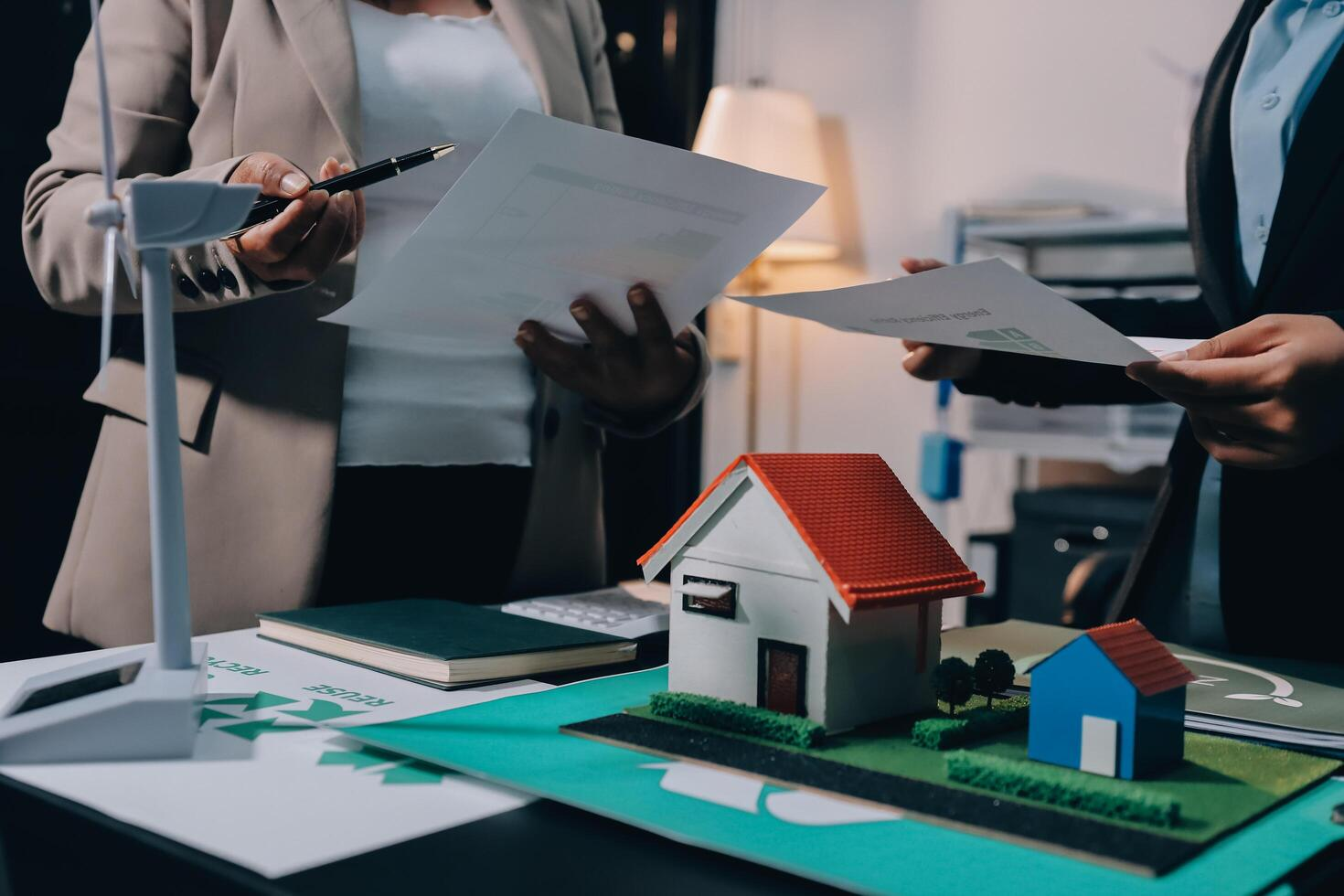
In the dynamic real estate market of 2026, the transfer of a home, whether it is to rent or buy, is a process where major financial interests are at stake. Documenting the state of the home, also known as the baseline measurement or state of acceptance, is no longer an optional step for cautious people; it is essential legal and financial insurance. At a time when home repair costs and the rigour of inspections have increased, a detailed file of the home is the only objective truth in the event of subsequent discussions.
Determining the condition of a building serves as a point of reference that protects both parties. Whether you hand over the keys as a departing resident or crossing the threshold as a new owner, the absence of proof can lead to ongoing conflicts and unforeseen costs. In this article, we'll analyze the fundamental reasons why in-depth documentation should be the standard in 2026.
For tenants, the deposit is often a significant amount that they transfer at the start of the contract. The primary purpose of documenting the home upon move-in is to secure this deposit upon departure. In 2026, landlords will use stricter criteria for what they consider “damage” versus “normal wear and tear”.
Without an initial inspection report with photos and descriptions, you, as a tenant, are legally weak. If, upon departure, a landlord claims that you caused a scratch in the parquet or a stain on the wall, it is your job to prove that this defect was already present when the keys were handed over. Documentation ensures a level playing field. It forces both parties to agree to the actual state at the outset, making the final inspection a business comparison rather than a subjective discussion years later.
When purchasing a home in 2026, the buyer has an obligation to investigate and the seller has an obligation to disclose. However, as soon as the moving boxes are unpacked and the first rainstorm falls, defects may come to light that were not visible during the viewing.
Documenting the condition of the home on the day of the transfer is crucial for legal claims regarding hidden defects. If you can demonstrate via detailed photos or videos that a leak spot in the attic was hidden behind a strategically placed cabinet, you are in a much stronger position to recover the repair costs from the seller. In 2026, experts will increasingly use infrared images or moisture measurements as part of the documentation to record the condition of the foundation and walls. This prevents you from paying for defects that the seller should reasonably have reported.

A classic point of conflict when transferring homes is the list of cases. Which lights stay on? Is the curtain rail part of the sale? Was that luxury dishwasher replaced by an older model just before departure?
By taking photos of all the specific items that, according to the list of things, would remain in the home on the day of the last inspection, you create visual evidence. In 2026, we will often see that buyers discover upon arrival that “movable property” that they considered part of the property were taken. Accurate documentation immediately after the key transfer ensures that you can act directly to the broker if the reality does not match the agreed state.
Documentation is not only useful for legal battles with third parties; it is also a valuable archive for the owner himself. Before you start demolishing or renovating in 2026, it is essential to know where pipes run, how the electrical wiring is organized and what the condition of the supporting structure was.
Photos of the house in “naked” condition, i.e. without furniture, provide a unique insight into the structural health of the building. This helps contractors prepare quotes and prevents surprises during the construction process. In addition, in the event of a possible sale in the distant future, you can use before-and-after documentation to show what improvements you have made and to what extent the value of the property has increased as a result of your investments.
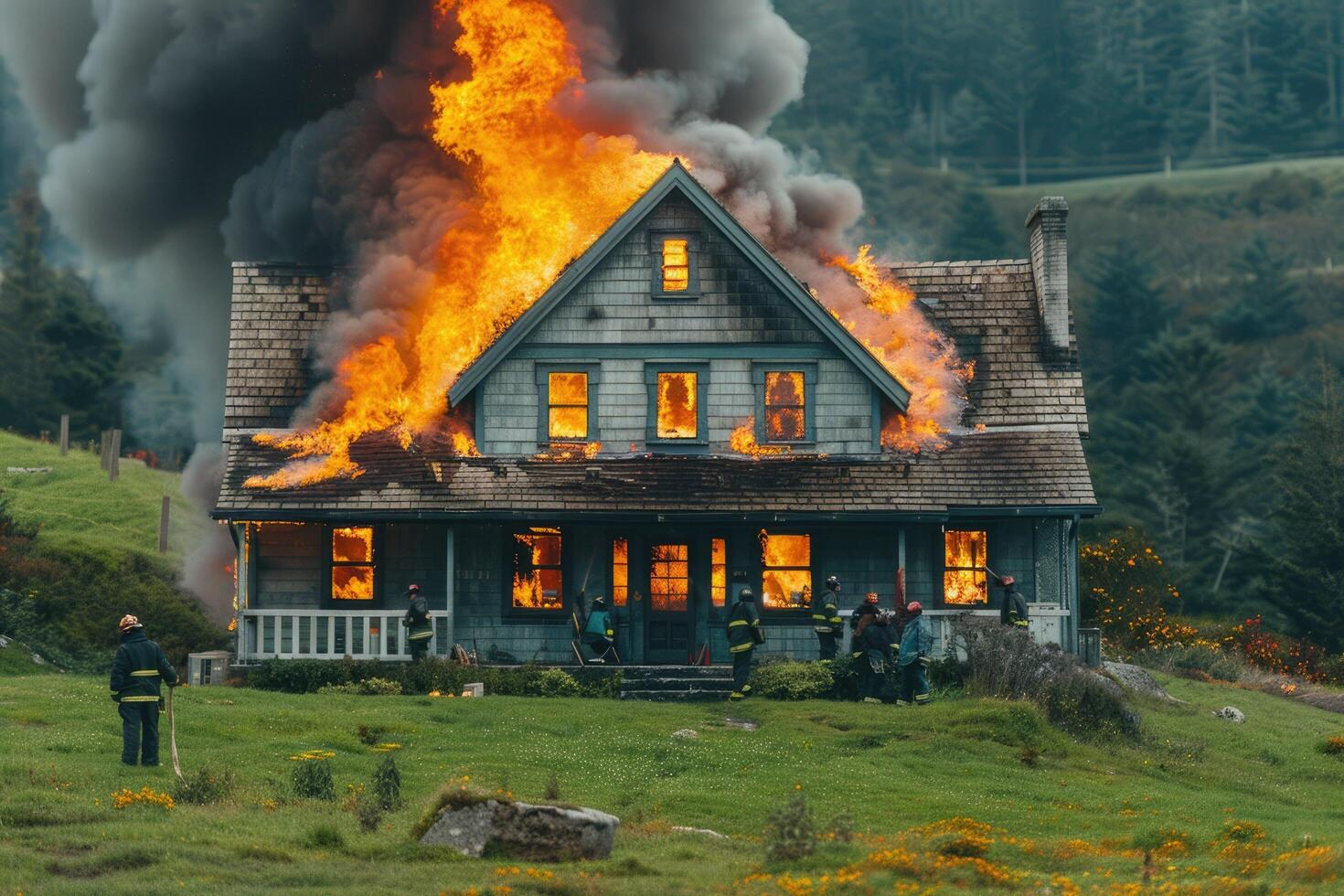
In the event of emergencies shortly after the move, such as fire, water damage or theft, the insurer will request proof of the condition of the home and the existing contents in 2026. A well-documented file, stored in the cloud, speeds up the claims process considerably.
Using your photos taken just before or after the move, insurance experts can determine the original condition of the floors, the kitchen and the closets. This prevents underinsurance and ensures that the benefit is based on the actual quality of the finish. At a time when building materials are expensive in 2026, the difference between “standard finish” and “high-quality finish” can save thousands of euros in compensation.
Moving is one of the most stressful events in a lifetime. Much of that stress comes from uncertainty. “Did I close the tap properly?” “Was that crack in the window already?”
By following a defined protocol where you systematically photograph each room and record the meter readings, you create a mental end point. You will officially close the transfer phase with a digital file. Should a letter from a lawyer or an angry landlord fall on the mat later, you don't have to rely on your memory. You simply open your file. In the complex society of 2026, this form of administrative hygiene is the best guarantee for a carefree start in your new home.

