February 7, 2026
Why do rents rise faster than house prices?
13/8/2024
February 20, 2026
February 20, 2026
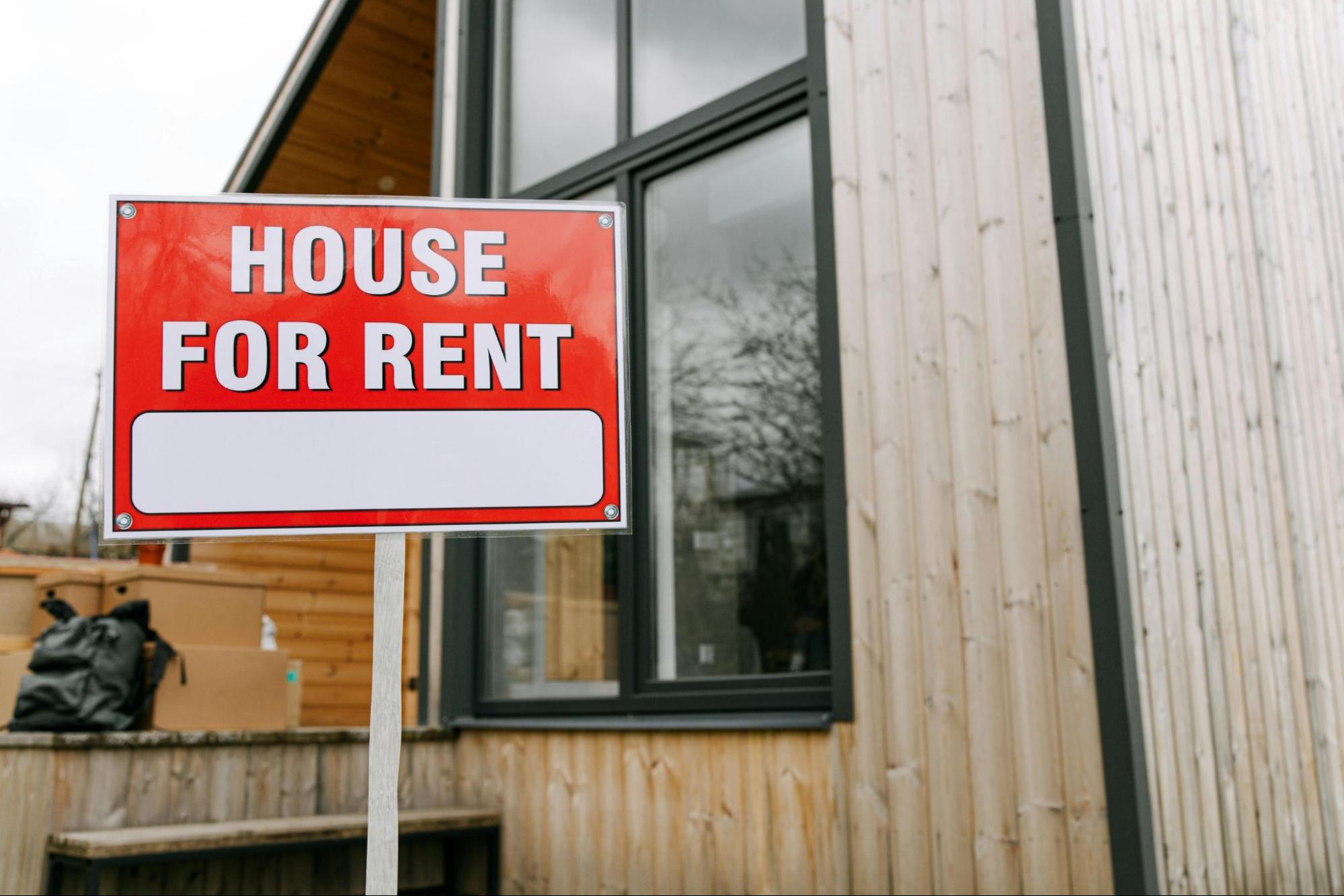
If you have been renting in the Netherlands for a few years, this question probably feels personal. You see house prices rise in the news, but your rent seems to jump faster, sometimes sharply, even when nothing about the apartment has changed.
This isn’t your imagination, and it isn’t just bad luck. Rent and house prices move for different reasons, on different timelines, and under different pressures. Understanding why rents often outpace house prices helps explain why renting can feel increasingly unstable, even when the housing market looks “calm” on paper.
Rent reacts fast, prices react slow
Rents respond quickly because they are tied directly to immediate housing demand. When more people need a place to live and fewer units are available, prices adjust almost instantly to what the next tenant is willing to pay.
House prices move more slowly because buying involves complex financing, lengthy decision cycles, and legal procedures. In competitive Dutch cities in 2026, demand spikes show up in the rental market first, as the speed of the transaction favors immediate price adjustments.
Rent is set at the margin
House prices reflect a broad average of past transactions in a neighborhood over months or years. Rents, by contrast, are set by the very newest contract signed at the edge of the market.
When a single apartment is re-listed, the landlord prices it at the highest rate the market will currently bear. This means a relatively small shortage can cause large price jumps for new renters, even if the majority of existing tenants are still paying older, lower rates.
Supply constraints hit renters harder
The Netherlands faces a structural housing shortage expected to reach 410,000 homes in 2026. While new construction often prioritizes owner-occupied homes, recent regulations have actually caused many private landlords to sell their rental properties.
This trend shrinks the available rental supply even faster than the ownership supply, creating a massive imbalance. When options disappear, renters absorb the impact of scarcity more directly than buyers, who benefit from a slightly more stable pool of available homes.
Borrowing limits cap house prices
There is a natural financial ceiling on how high house prices can go because buyers are limited by strict mortgage lending rules. Even in a heated market, what people can bid is eventually capped by their income and the maximum loan-to-value ratio.
Renting does not have this same structural brake; as long as someone can scrape together the monthly payment, the price can continue to climb. Without the guardrails of bank lending rules, rents in high-demand areas can rise to levels that consume a disproportionate share of income.
Rent reflects income competition
Rents are closely tied to the disposable income of the strongest potential tenants in a specific area. In cities with high-paying international or tech jobs, landlords set prices based on what dual-income, high-earning households are able to afford.
This dynamic pulls rents upward even if the broader house price index remains stable or grows more slowly. While house prices reflect an average across all buyers, rental prices often chase the top earners, widening the affordability gap for everyone else over time.

Short-term contracts and rent resets
The 2024 Fixed-Term Tenancy Act made indefinite contracts the legal standard, effectively ending the era of routine two-year leases. However, the few remaining exceptions, such as for students or homeowners temporarily living abroad, still create pockets of high turnover in the market.
Each time one of these specific contracts ends, the rent can be reset to the current 2026 market level. This turnover fuels a cycle where prices in high-demand segments rise much more frequently than the values of owner-occupied homes.
Passing on rising costs
Landlords in 2026 are facing significant financial pressure from increased wealth taxes in Box 3 and the rising costs of property maintenance. While homeowners absorb these expenses gradually over years, landlords often view rent increases as a necessary pressure valve to maintain their yields.
In new contracts, these costs are passed directly to tenants, making rent a faster conduit for inflation than mortgage payments. This dynamic means that the operational costs of the housing market often flow downhill to renters much more quickly than to buyers.
Intensified urban pressure
Jobs, specialized education, and modern amenities continue to cluster in major Dutch cities, concentrating demand in the Randstad. Since renting is the primary entry point for young professionals and expats, these urban centers see rental demand spike faster than ownership demand.
This concentration creates a funnel where renters are forced to compete first and hardest for limited space. As a result, cities like Amsterdam and Rotterdam often experience localized rent inflation that far exceeds the national average for house price growth.
Protection vs. newcomers
Dutch regulations provide strong protection for sitting tenants by capping annual increases at 4.4% for the private sector in 2026. However, these caps do not apply when a new tenant signs a contract, allowing landlords to raise prices aggressively between occupants.
This creates a widening "dual market" where existing residents enjoy relative stability while newcomers face severe price jumps. The regulation effectively shifts the financial pressure of the housing shortage onto those who are currently searching for a home.
Prices lag experience
People often look at house price indices to judge the health of the housing market, but these figures are only an indirect measure for renters. Rent reflects immediate access to a home, whereas house prices reflect the long-term cost of capital.
Even when house prices stabilize due to higher interest rates, rents can continue to climb if the physical supply of homes remains tight. This explains why renters often feel the intensity of a housing crisis long before it shows up in official property value statistics.

Will rents always rise faster?
Rents often rise faster than house prices during periods of extreme shortage because they react instantly to what new tenants are willing to pay. When more people need housing and few units are available, the competition for the few open listings pushes "asking rents" up immediately.
In 2026, private sector rents are capped at a 4.4% increase for existing tenants, while mid-market rents can rise by up to 6.1%. House prices are also projected to grow by roughly 4% to 5.5% this year, but those gains are only realized when a home is sold, making rent the more active daily pressure.
Strategic decision making
Rising rents do not always mean that buying is the better choice, but they do make your monthly expenses less predictable over time. For many, this constant upward pressure makes ownership look like a more stable way to lock in housing costs for the long term.
Understanding these mechanics helps you respond to the market with a plan rather than an emotional reaction to a rent increase letter. Knowing that rents move at the "edge" of the market allows you to anticipate shifts before they affect your specific contract or your savings goals.
The final verdict
Rents rise faster because they respond to real-time scarcity and income competition without the lending brakes that slow down the buying market. You experience this market in real time, which is why a 4% rent hike feels more urgent than a 4% rise in local property values.
Renting is not a mistake, but it does carry exposure to fast-moving costs in a tight market like the Netherlands. Once you understand this exposure, you can decide whether you are comfortable with it or if you want to trade that flexibility for the fixed-cost stability of owning a home.