February 5, 2026
Why do new builds take longer to complete?
22/5/2024
February 19, 2026
February 19, 2026
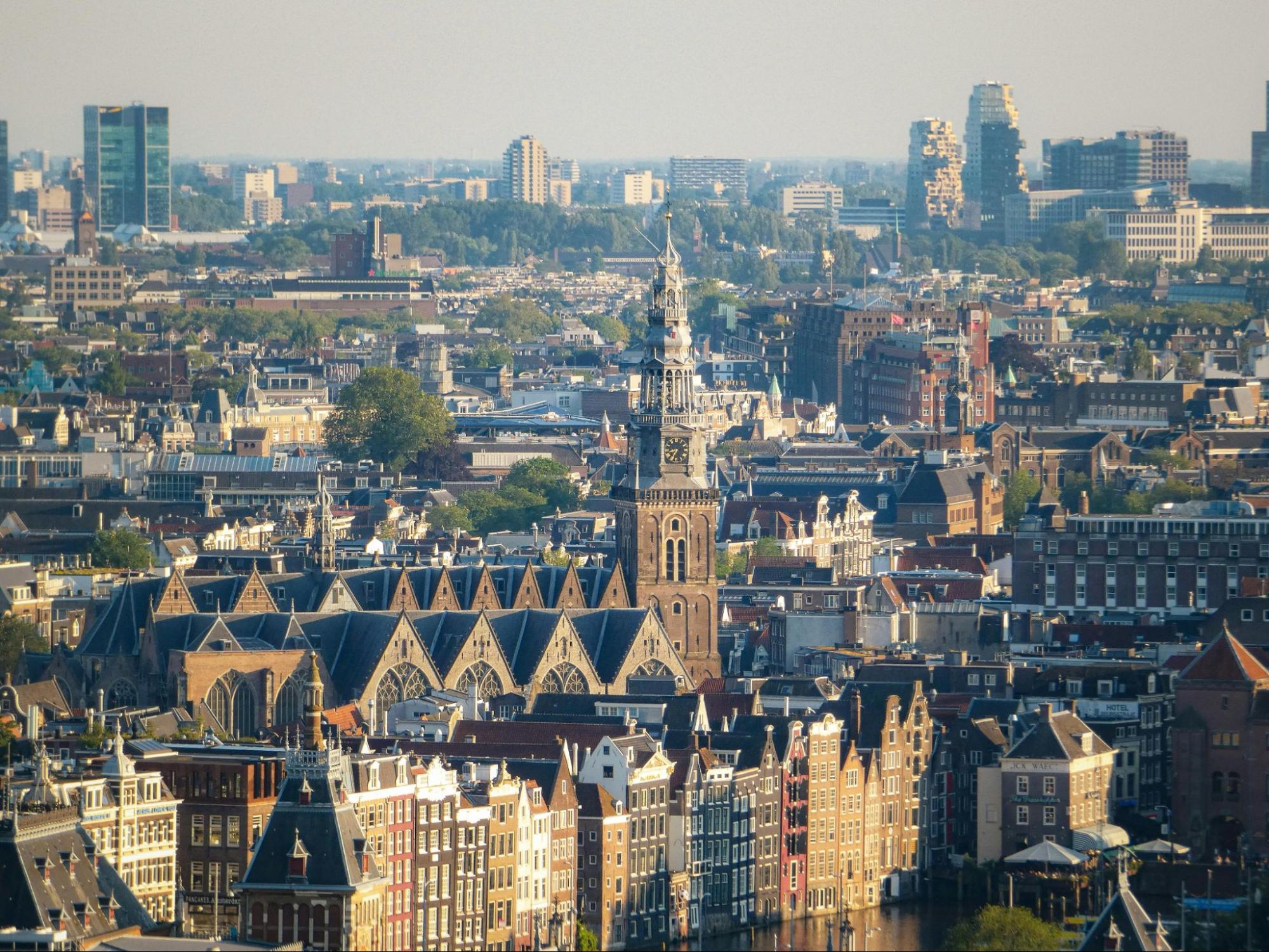
If you are considering a new-build home in the Netherlands, you’ve probably heard optimistic timelines and then watched them quietly slide. What was supposed to be ready “next spring” becomes late summer, then autumn, then “subject to circumstances.” This delay isn’t usually incompetence or bad luck. New builds take longer to complete because they sit at the intersection of regulation, logistics, labor, and uncertainty. Each layer adds time, and when one slips, everything else tends to follow. Understanding why delays happen helps set realistic expectations and reduces frustration when timelines shift.
Planning permits
The Dutch planning system is intentionally thorough to ensure that every new housing project balances infrastructure, environment, and long-term livability. Before a single brick is laid in 2026, developers must navigate strict zoning checks and environmental impact assessments.
These high-level administrative processes are designed to prevent structural problems later but often add several months to the initial timeline. From a buyer's perspective, much of the waiting occurs during this invisible phase before any physical progress is seen.
Project objections
Even after official permits are granted, a new-build project remains vulnerable to legal objections from neighbors or local interest groups. These appeals can unexpectedly pause construction for months while courts resolve specific questions regarding the development.
This legal uncertainty is a structural feature of the Dutch housing market rather than a rare exception for developers. Buyers often feel the impact of these pauses without always being clearly informed about the underlying legal cause.
Phased coordination
Construction in the Netherlands follows a strict sequence of foundations, framing, and technical installations that must each be inspected. If one phase slows down due to a specific issue, every subsequent step in the project timeline immediately stacks up.
Strict quality controls mean that skipping steps to save time is never a legal or practical option for reputable builders. This disciplined approach significantly improves the long-term quality of the home but naturally stretches the total completion time.
Labor shortages
The Dutch construction sector continues to face significant shortages of skilled tradespeople like electricians, plumbers, and specialized installers. High demand for these experts in 2026 means that missing a single scheduled window can cause a ripple effect.
A delay of just two weeks waiting for a specialist team can easily push the final delivery date back by a month or more. These human resource constraints are often the most common reason that projected completion dates move.
Supply chains
Modern home construction relies on complex global supply chains for everything from high-efficiency windows to advanced heating systems. Any disruption in the delivery of these components can pause work on-site even when the labor is ready.
Developers usually build small buffers into their schedules, but these disappear quickly when multiple materials arrive later than expected. Even the best-managed projects cannot fully eliminate the risks associated with international logistics.

Weather impacts
Despite modern construction techniques, many critical phases of building remain highly exposed to the unpredictable Dutch weather. Heavy rain, frost, or extreme wind can halt foundation work and exterior finishing for several days at a time.
While a few bad weeks might not seem dramatic, they often cause a project to miss key inspection milestones or utility windows. These small weather-related delays tend to compound over the many months of a large-scale build.
Utility connections
A house is not legally complete or livable until it is fully connected to the national water, electricity, and fiber-optic networks. These connections are managed by external utility companies that operate on their own independent schedules and priorities.
In large developments, infrastructure must often be finished for an entire phase before individual homes can be handed over. The house may look finished from the street, but it remains a shell until the external providers arrive.
Buyer changes
Many buyers underestimate how much personal customization requests can slow down the overall pace of a new-build project. Even minor layout tweaks or upgraded finishes require new approvals, extra coordination, and specialized material orders.
Individually these changes seem small, but collectively they create a significant administrative burden for the construction team. Requesting high levels of personalization usually involves a direct trade-off with the speed of completion.
Market conditions
The pacing of a construction project is often influenced by broader financial shifts, rising material costs, or general market uncertainty. In volatile periods, developers may slow down certain phases to manage their financial risks more responsibly.
While this strategic pacing is rarely communicated openly to buyers, it directly affects when the final keys will be handed over. Stability and risk management often take precedence over meeting a specific calendar date.
Estimated dates
Most projected completion dates given at the start of a project are professional forecasts rather than legally binding guarantees. Standard Dutch construction contracts reflect this reality by allowing for a certain number of unworkable days without penalties.
Understanding this early in the process helps prevent major emotional and logistical disappointment when the timeline inevitably shifts. A new build is a complex system of variables rather than a simple production line.
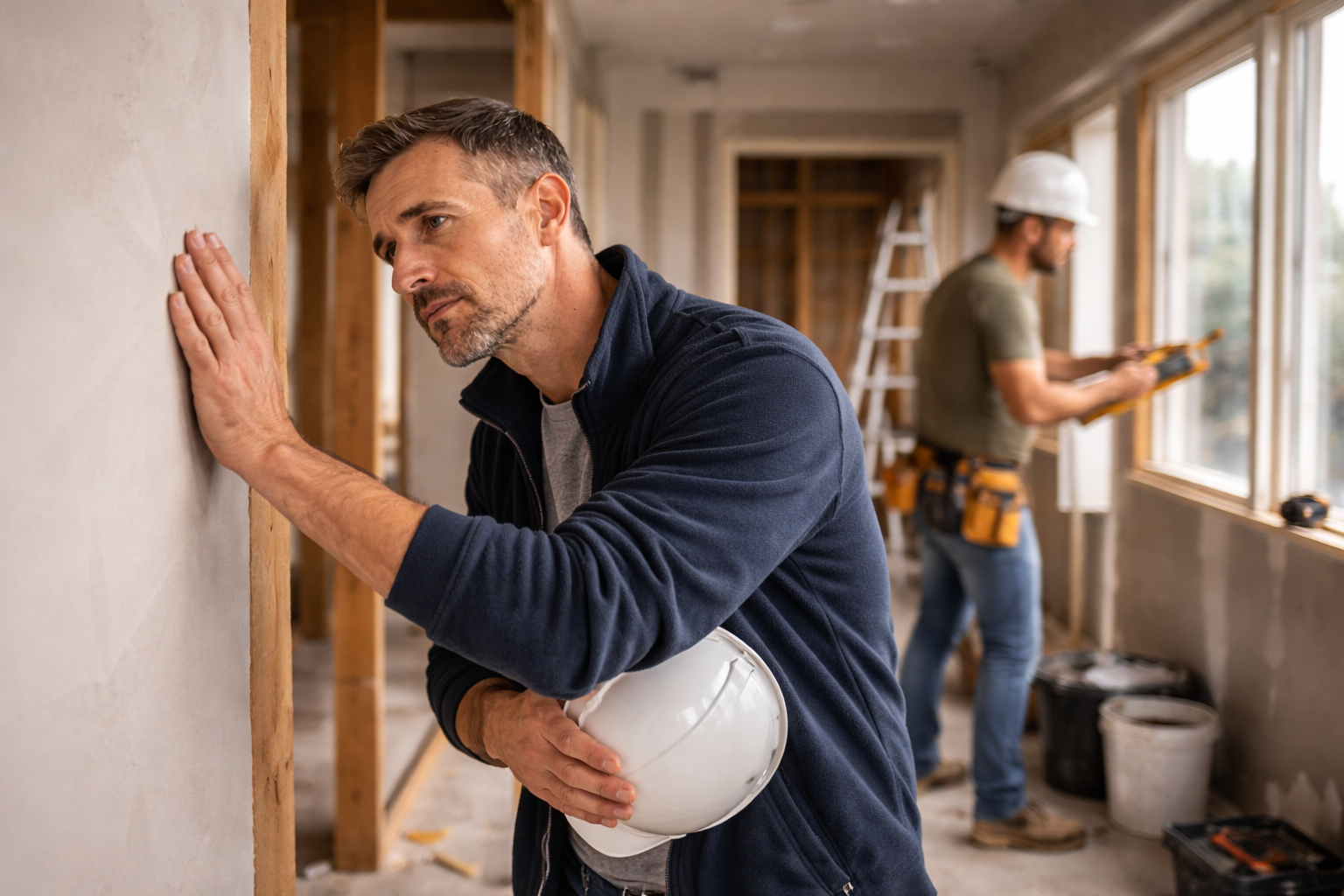
Why delays don’t necessarily signal poor quality
It is tempting to view every delay as a sign of incompetence, but rushed projects often lead to more long-term structural issues. Extra time allows for proper drying of materials, thorough inspections, and a much cleaner final finish.
A slower build often indicates a careful approach that prioritizes the integrity of the home over meeting a rushed deadline. Speed and high-quality craftsmanship rarely reach their peak at the exact same time.
Buyer control
While you cannot control the weather or permit offices, you can control your own financial and logistical buffers. Planning for a three-month delay from the start significantly reduces the stress of moving out of your current home.
Staying flexible with your move-in plans ensures that you are not caught in a difficult position if the timeline shifts. Accepting this inherent uncertainty allows you to enjoy the journey toward your new home.