February 7, 2026
Why buy if rents keep climbing?
30/9/2024
February 20, 2026
February 20, 2026
If you are renting in the Netherlands right now, this question probably feels unavoidable. Each renewal or new search brings higher prices, more competition, and less certainty. At some point, it’s natural to wonder whether buying is the only way off an upward-moving treadmill.
But rising rents alone don’t automatically make buying the right answer. They change the context of the decision, not the decision itself. Understanding why buying can still make sense when rents climb helps you decide whether ownership is a solution or just a different kind of commitment.
Rising rents increase the value of predictability
One of the strongest arguments for buying in the current February 2026 market is the predictability it offers. With a fixed-rate mortgage currently averaging around 3.7% to 4.5% for a 10-year term your largest housing cost stays the same while rents around you continue to climb.
In 2026, private sector tenants face a maximum rent increase of 4.4%, while those in the mid-range sector could see jumps of up to 6.1%. Over time, the stability of a mortgage can feel like a massive financial relief rather than a rigid commitment.
Buying converts rising payments into long-term value
When rents rise, every extra euro you pay disappears into the market. Mortgage payments work differently; even though the interest is a cost, part of each payment goes toward reducing your loan balance and building equity.
With average home prices in the Netherlands reaching approximately €494,000 in early 2026, the contrast between renting and buying is stark. One path pays for temporary access to a home, while the other slowly pays for the ownership of a valuable asset.
Rent increases often outpace income growth
Rents in the Netherlands frequently rise faster than average wages, creating a financial squeeze that compounds year after year. Buying acts as a natural hedge against this trend by fixing your primary housing costs while your income (hopefully) continues to grow.
For households with stable career paths, ownership can gradually feel easier even if the initial monthly payments felt tight. As the years pass, the "real" cost of your fixed mortgage effectively shrinks relative to the rising prices in the rental market.
Buying reduces exposure to repeated competition
Each time a rental contract ends or a move is required, you are forced back into a high-pressure competition. In 2026, the housing shortage remains severe at roughly 400,000 homes, making every rental search a stressful cycle of viewings and bidding.
Buying replaces this repeated market exposure with a single, albeit intense, transaction. Once you have secured your home, the day-to-day pressure to find a place to live disappears, replacing many small stresses with one finished challenge.
Long-term renters absorb market pressure indefinitely
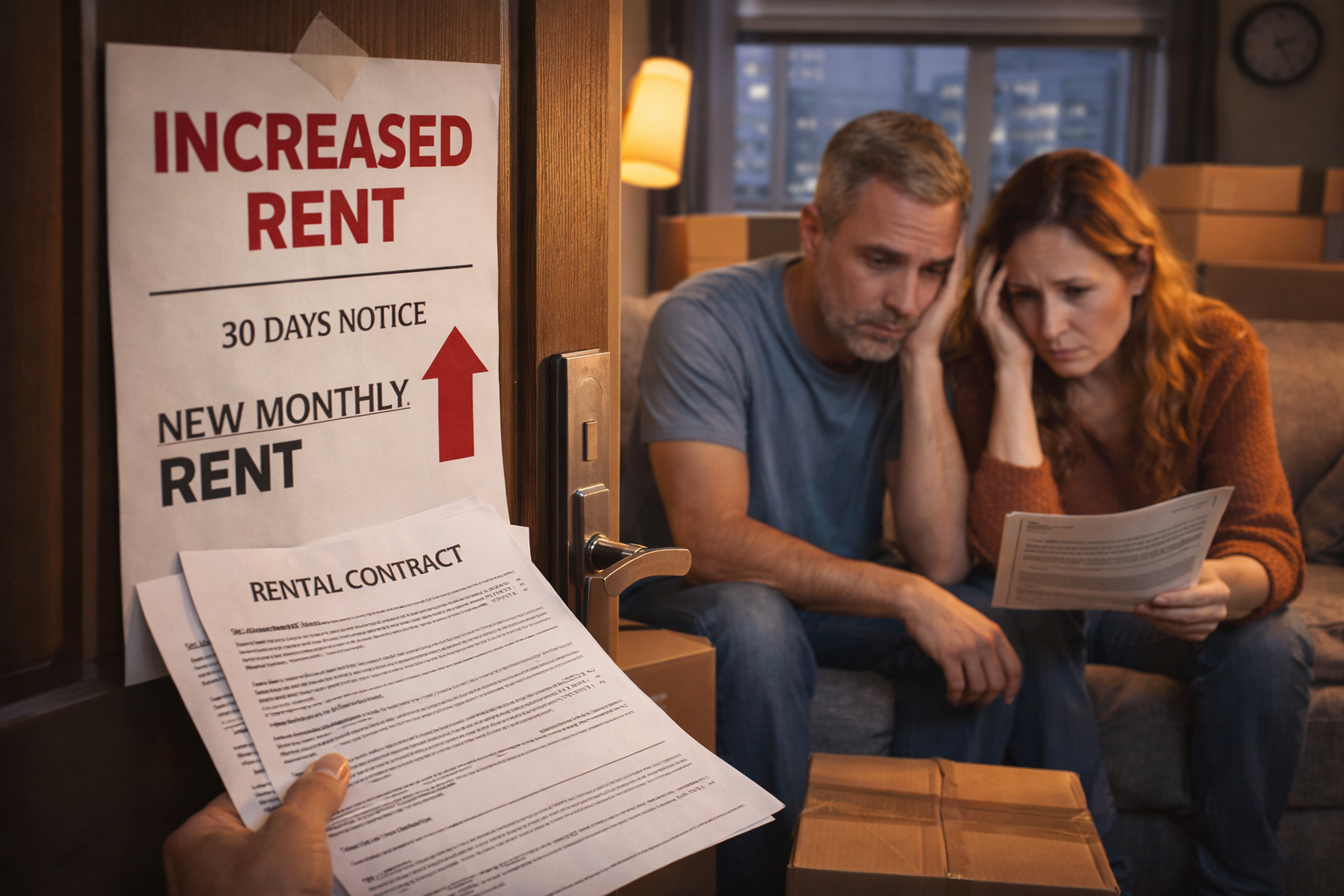
Renters remain exposed to the fluctuations of the housing market for as long as they rent. Even if you are temporarily protected by a specific contract, eventual moves or renewals inevitably reintroduce current market rates.
Over a long horizon, this exposure adds up both financially and emotionally. Buying limits how often you have to renegotiate your right to live somewhere. In a market where supply is tight, the duration of your exposure to these resets becomes a critical factor in your long term security.
Ownership benefits from structural support over time
The Dutch system still structurally favors ownership through various mechanisms. Mortgage rules, specific tax treatments, and long term financing conditions are designed to support buyers more than renters.
While some of these traditional advantages have been reduced in recent years, they have not disappeared. In an environment where rents are rising, these structural supports feel more relevant. The broader financial context often amplifies the incentives to own rather than rent.
Buying can stabilize family and lifestyle planning
Rising rents can complicate long term planning for many households. Families, in particular, benefit from a high degree of stability around schools, childcare, and daily routines.
Buying reduces the risk of sudden housing changes that could disrupt those carefully built plans. When rents climb unpredictably, the stability of a fixed housing situation becomes a premium asset. A owned home acts as a reliable anchor for the rest of your life.
Not all rent increases are temporary
Some renters stay in the market hoping that price increases will eventually slow down or even reverse. However, structural shortages in the Netherlands suggest that upward pressure on prices is likely to persist in many popular areas.
Buying is one effective way to step out of that cycle, provided that your personal timing and finances are in alignment. Relying on hope for a market correction is rarely a successful strategy for long term housing security.
Buying doesn’t eliminate costs; it changes them
It is a common misconception that buying is automatically cheaper than renting. In reality, buying replaces rent increases with other costs like maintenance, property taxes, and necessary repairs.
The fundamental difference is one of control and pacing. As an owner, you decide when and how to spend your money on your property rather than simply reacting to a landlord's market resets. This shift in control fundamentally changes your daily living experience.
Buying too early can still backfire
Rising rents can push people into premature buying out of fear. If your finances are stretched or your life plans are still uncertain, buying under pressure can lead to deep regret even as rents continue to climb.
Buying a home should ideally reduce your overall stress, not simply relocate it from a landlord to a bank. In the high-stakes 2026 market, your personal timing and readiness still matter more than trying to outrun market trends.
Renting may still make sense despite rising rents
For some households, renting remains the better choice despite the financial pressure of annual increases. Career mobility, short-term plans, or limited financial buffers can easily outweigh the benefits of locking in a property.
Rising rents alone do not negate these personal realities, and there is no moral victory in buying a house before you are ready. Finding a living situation that truly fits your current lifestyle should always be the priority.
The question to ask instead
Instead of asking why you should buy if rents keep climbing, ask if buying actually protects you from the specific problems those rising rents are creating. If the answer is yes both financially and emotionally then buying may be the right step.
If the answer is no, then renting may still be the more supportive option for your specific situation. Being honest with yourself about your goals will help you move forward without feeling the need to panic.
The social rhythm
Rising rents change the balance of the housing equation, but they do not dictate the final outcome for your life. Buying makes sense when it offers the predictability and long-term value that your current rental situation can no longer provide.
The right response to rising rents is not panic, but a sense of clarity about what you truly need from your home. When the idea of buying feels like a relief rather than a desperate escape, you are much closer to making the right decision.