February 5, 2026
Why are some areas better for property values?
20/5/2024
February 19, 2026
February 19, 2026

If you have been comparing houses across different neighborhoods, you’ve probably noticed that price differences don’t always line up with how nice a place looks. One area feels calm and spacious, but struggles with value growth. Another feels crowded and expensive, yet prices keep rising.
This is not accidental. In the Netherlands, property values are shaped less by individual houses and more by how entire areas function over time. Some neighborhoods quietly compound value year after year, while others remain stable or stagnate despite decent housing. Understanding why some areas perform better helps you look past surface impressions and see what actually sustains long-term demand.
Daily convenience
One of the strongest drivers of property value in the 2026 Dutch market is how seamlessly the local infrastructure supports your daily routine. Areas with reliable train connections, safe cycling paths, and nearby supermarkets consistently attract a larger pool of motivated buyers.
Even if the homes in a specific street are older or smaller, the ease of living in that neighborhood keeps the demand remarkably high. People in the Netherlands are increasingly willing to pay a premium for reduced friction in their morning commute and errands.
Strategic connectivity
Neighborhoods located near major transit hubs or well-integrated tram lines tend to hold their value much better during broader economic shifts. This connectivity allows an area to remain resilient even if local job centers or office locations move further away.
Less connected suburbs may feel pleasant today, but they become financially vulnerable when public transport options are reduced or fuel prices rise. Property values in 2026 reflect this long-term risk long before it becomes obvious to the casual observer.
Life stage appeal
The most successful neighborhoods in terms of value growth are those that work well for people at various different stages of their lives. A street that appeals to young professionals, growing families, and downsizers alike will always have a deep and liquid buyer pool.
In contrast, areas that cater only to a narrow demographic, such as student districts, tend to experience much higher levels of price volatility. Long-term appreciation favors balanced environments where residents feel they can stay for a decade or more.
Family infrastructure
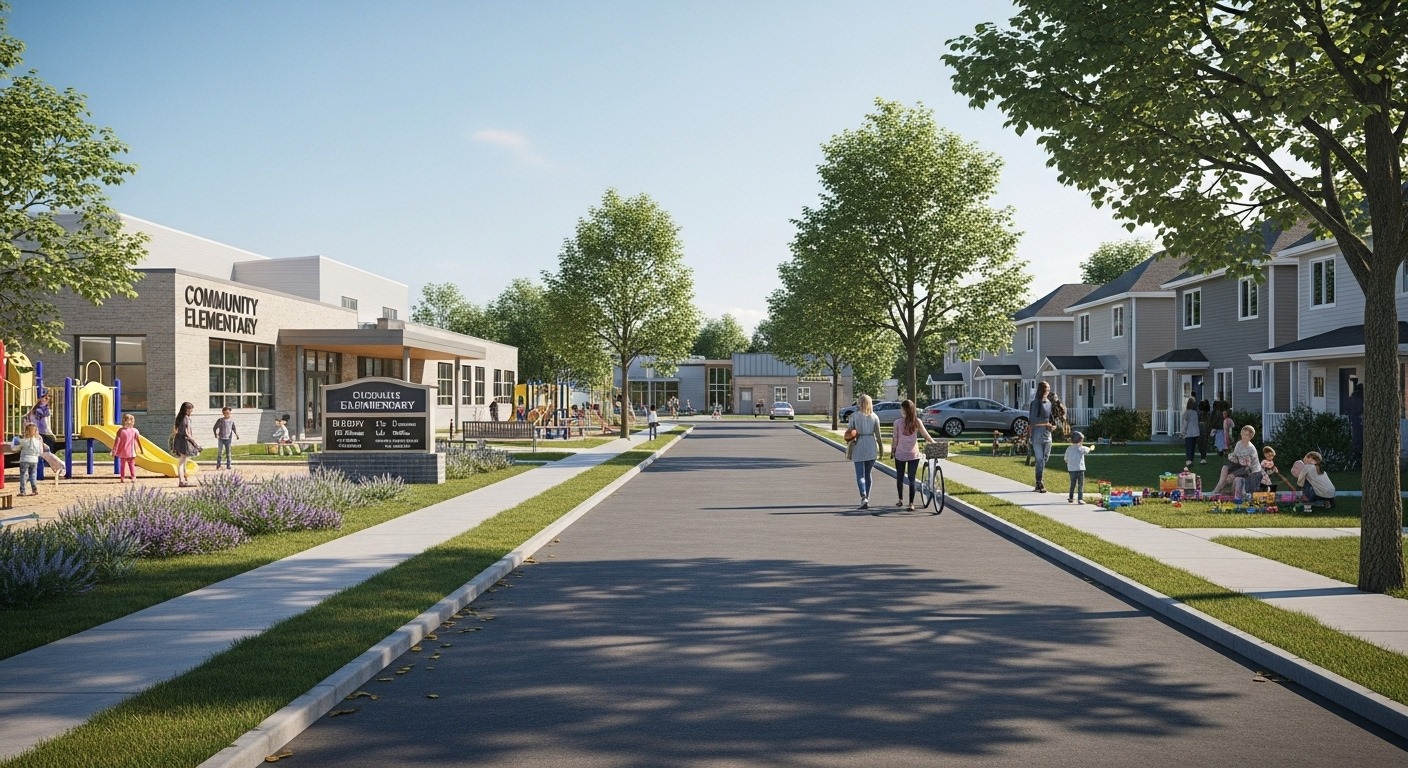
The quality of local schools and the availability of safe green spaces quietly exert a massive influence on the prices of nearby homes. Families with children tend to stay in their properties longer, which creates a stable market with fewer forced sales.
You do not need to have children yourself to benefit from the high demand that a family-friendly atmosphere generates for a postcode. In popular Dutch cities, the scarcity of child-friendly housing ensures that these neighborhoods remain among the most expensive.
Planning stability
Municipal zoning and long-term urban planning decisions have a profound impact on how a neighborhood ages over several decades. Areas that maintain a healthy balance of residential housing, local services, and parks tend to retain their value much better.
Neighborhoods that are dominated by a single function or that lack clear municipal vision are often more sensitive to negative market changes. Property values in 2026 reward the predictability that comes with structured and professional Dutch urban planning.
Supply constraints
Historic city centers and established neighborhoods with strict conservation rules face a permanent limit on the amount of new housing. When demand for these specific areas grows, prices rise sharply because expanding the housing stock is physically impossible.
Other areas on the outskirts can often build outward or upward more freely, which provides more options but also caps the potential for scarcity. Neighborhoods with constrained supply usually see the strongest long-term appreciation because of their inherent rarity.
Perception lags
Property values often begin to rise significantly only after the local infrastructure or the general neighborhood atmosphere has already improved. Buyers who can identify an area undergoing a gradual positive shift often find the best financial opportunities in the market.
A neighborhood does not need to be fashionable today to be a high-quality investment for your personal future. Sometimes the best areas are simply the ones that are located next to a currently popular district and are starting to catch up.
Maintenance confidence
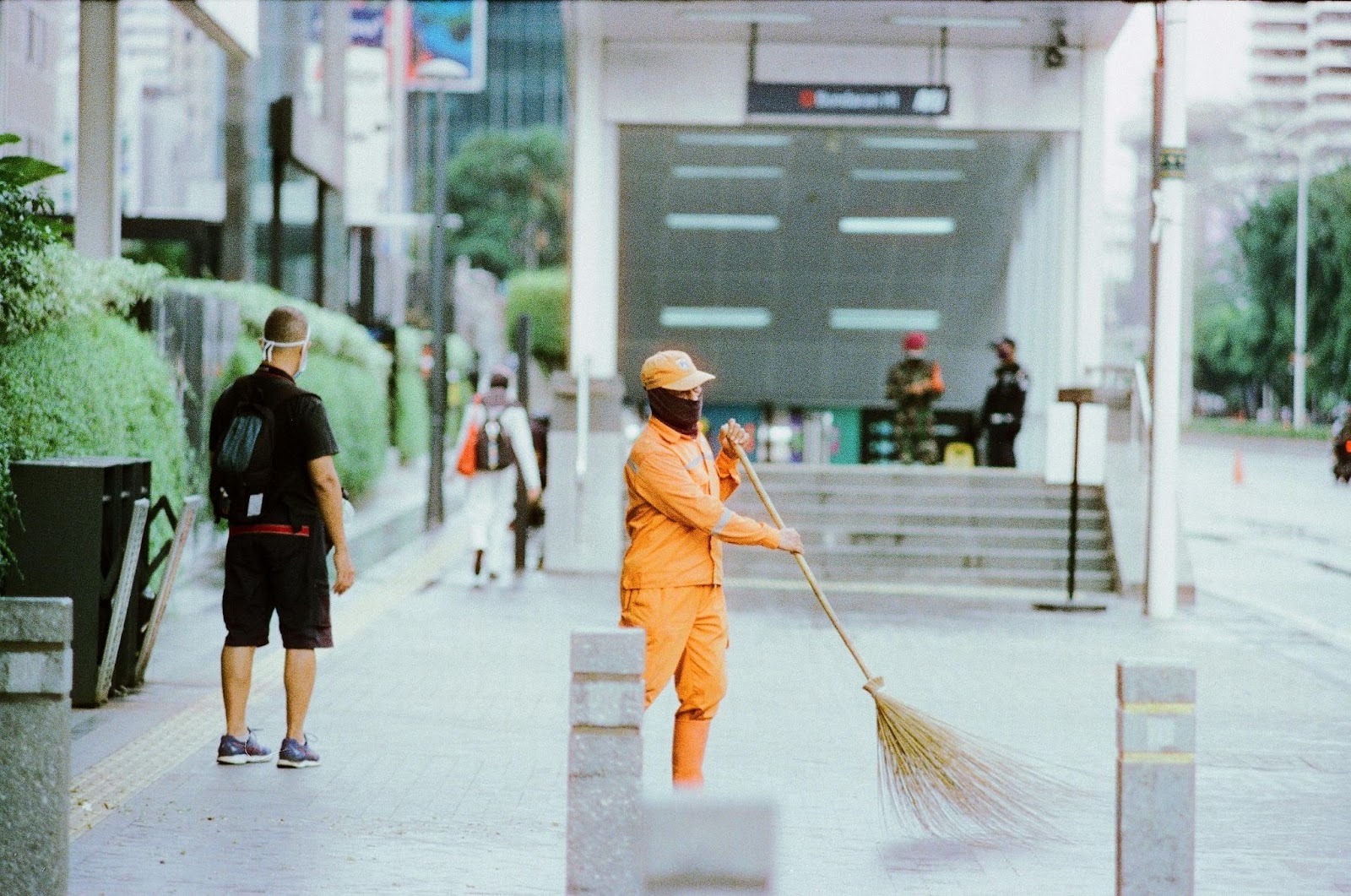
Buyers are willing to pay more for the peace of mind that comes with living in a clean, safe, and well-maintained environment. Visible signs of care by the municipality and the local residents act as a powerful multiplier for the perceived value of a home.
In high-density Dutch cities, the perceived livability of a street plays a massive role in pricing even when crime rates are very low. Consistent upkeep signals that the community is invested in the area, which builds long-term buyer confidence.
Rental flexibility
Areas where high-quality rental properties and owner-occupied homes coexist smoothly tend to stay more liquid during a market downturn. If a buyer knows they could easily rent out their home if their life changes, the perceived financial risk is much lower.
This flexibility supports higher entry prices because the property is seen as a versatile asset rather than just a place to live. A strong local rental market provides a safety net that reinforces the underlying value of the land.
Cycle resilience
When the overall housing market cools, not all neighborhoods experience the same rate of price correction or stagnation. The strongest areas usually see much smaller drops and are the first to recover when interest rates or buyer sentiment improve.
This resilience is one of the clearest indicators of an area's fundamental quality and its long-term desirability for the public. Good neighborhoods do not just grow faster during the booms; they also fall more slowly during the quiet periods.
Structural demand
Many buyers assume that choosing a cheaper area automatically guarantees better growth, but some places are cheap for structural reasons. Poor connectivity or a lack of basic amenities can permanently cap how much a property will appreciate over time.
A low entry price is only an advantage if there is a realistic path toward increased demand in that specific location. Understanding exactly why an area is currently less expensive is more important than the actual price tag on the listing.
Area fundamentals
In the long run, the fundamental qualities of a neighborhood matter much more than the internal finishes or the layout of the house. While you can always renovate a kitchen or change the floors, you cannot relocate a property to a better street.
A modest home in a high-performing area will almost always outperform a luxury villa located in a stagnant or disconnected district. Investing in the area first ensures that your hard work on the house itself will yield a better financial return.