February 5, 2026
Why are energy-efficient homes pricier?
19/6/2024
February 19, 2026
February 19, 2026
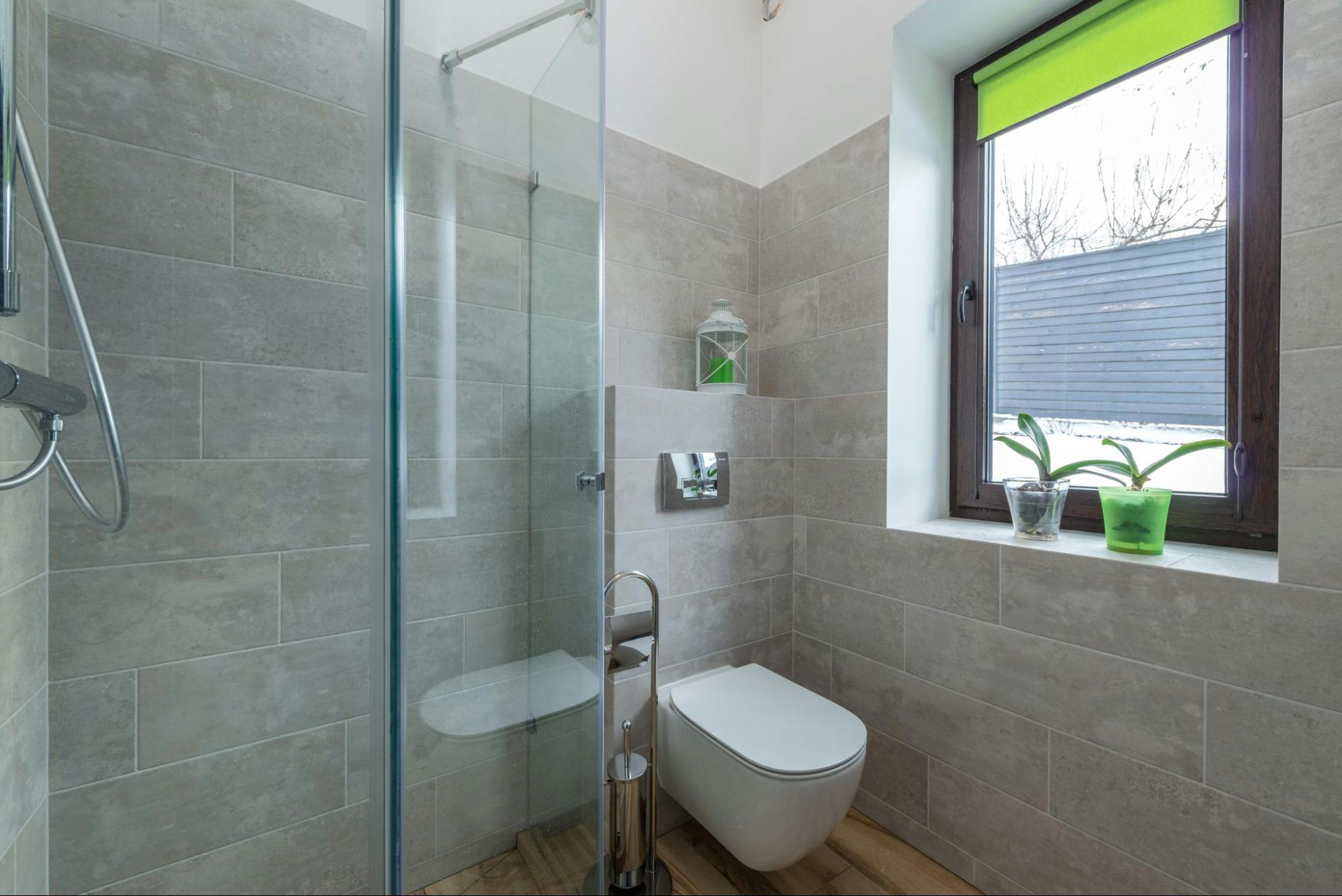
If you’ve been comparing homes in the Netherlands, you’ve probably noticed a pattern. Properties with better energy labels, newer insulation, or solar panels often come with noticeably higher asking prices. Sometimes the difference feels larger than the savings could ever justify.
This raises a fair question: are energy-efficient homes genuinely worth more, or are buyers simply paying a premium for a trend? The answer sits somewhere in between. Energy-efficient homes are pricier for structural reasons, not just marketing, but the value they offer goes beyond lower utility bills.
Value of labels
Energy labels in 2026 are far more than just a marketing tool for Dutch sellers. Properties with a higher rating often sell for a significant premium, with some estimates showing a 7% to 12% price difference.
This gap exists because a better label represents a finished investment in expensive structural work like roof insulation. Buyers are increasingly willing to pay more upfront to avoid the rising costs of labor and building materials.
Financial incentives
The Dutch government and major banks now use the energy label as a core part of their lending calculations. In 2026, buyers of highly efficient homes can borrow significantly more than those purchasing a house with a poor rating.
A property with an A+++ rating can unlock up to 25,000 euros in extra mortgage capacity for the buyer. This increased purchasing power naturally supports higher asking prices for green homes across the entire housing market.
Monthly savings
Living in an energy efficient home provides a direct and immediate impact on your monthly household budget. While energy prices have stabilized somewhat, the tax on gas continues to rise as the country moves away from fossil fuels.
Efficient homes are much less sensitive to these tax increases and benefit more from lower electricity supply rates. These monthly savings add up to thousands of euros over the lifespan of a typical Dutch mortgage.

Comfort factors
Modern insulation and high quality ventilation systems do much more than just lower your monthly utility bills. They create a living environment that is consistently warm in the winter and stays cool during summer heatwaves.
Well insulated homes also provide a significant reduction in street noise, which is a major benefit in dense cities. This enhanced level of daily comfort is a value that buyers feel instantly when they enter the property.
Borrowing limits
The maximum mortgage you can obtain in the Netherlands is now directly tied to the energy performance of the house. Lenders look at the label to determine how much of your income will be needed for energy costs each month.
A better label means lower expected bills, which allows the bank to safely offer you a higher total loan amount. This structural advantage makes efficient homes accessible to a wider pool of buyers who need maximum financing.
Future proofing
Buying a home with a poor energy label in 2026 carries a high risk of future regulatory pressure. New rules are increasingly being introduced to mandate upgrades for the worst performing houses by the end of this decade.
Choosing a home that is already efficient protects you from the stress of these upcoming renovation deadlines. People are paying a premium today to ensure their home remains desirable and compliant for the next ten years.
Resale speed
Energy efficient homes tend to stay on the market for a much shorter period than their older or uninsulated counterparts. Buyers are more likely to overbid on properties that are move in ready and have modern energy systems.
This high liquidity means you can sell your home more easily if your personal circumstances change in the future. The market consistently rewards homes that do not require an immediate and expensive renovation project.
Relative costs
When comparing two similar houses, the one with a lower energy label may look like a bargain at first glance. However, buyers must mentally add the cost of installing insulation and solar panels to that lower price.
Once you factor in the time and effort required to manage a renovation, the more expensive house often becomes the better deal. Value is always relative to the total investment needed to bring the home up to modern standards.

Value alignment
Energy efficiency in 2026 has become a significant reflection of personal identity and broader lifestyle values. Many buyers prioritize sustainability and environmental impact as much as they do their monthly mortgage payments.
When a home aligns with how a person wants to live, their demand for the property becomes much less price sensitive. Values are influencing the Dutch housing market today more than most traditional financial models admit.
Realistic returns
It is important to remain realistic about the fact that a price premium is not always fully recovered through lower bills. Many buyers overestimate the direct financial return on investment when purchasing a high efficiency home.
The extra cost actually reflects a complex mix of daily comfort, risk reduction, and readiness for future climate regulations. Understanding this helps you make a better decision that is based on more than just simple math.
Resale liquidity
Energy efficiency has fundamentally changed the resale dynamics of the housing market across the Netherlands. Efficient homes tend to sell much faster and involve less stressful price negotiations with potential buyers.
Knowing that your property will attract strong interest in the future helps to reduce your long term financial risk. Markets consistently reward properties that are easy to justify to lenders and easy for buyers to understand.
Core requirements
Energy efficiency has successfully moved from being a nice extra feature to a core component of a good home. It embodies a real investment in predictability and livability that buyers in 2026 value above almost everything else.
Whether paying a premium is worth it depends entirely on your personal budget and your long term life plans. The higher price is a clear signal of quality that ensures you avoid costly and difficult upgrades later on.