February 7, 2026
Which schools serve local and international families in Leiden?
8/1/2025
February 20, 2026
February 20, 2026
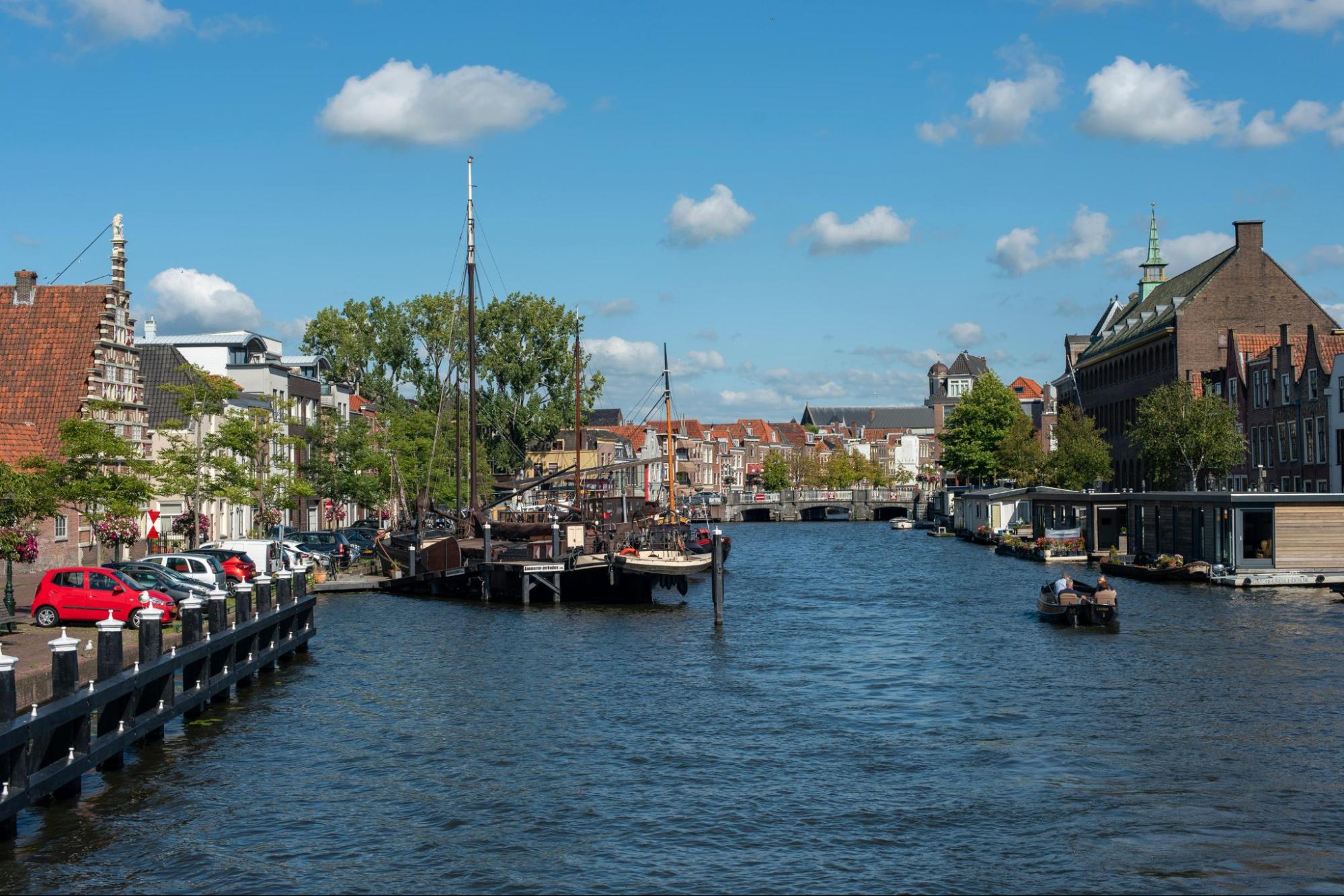
Leiden is often associated with its historic center and university, but for families, schools are usually the deciding factor. Parents moving to or within Leiden quickly realize that the city offers a wide range of educational options, not necessarily better or worse than elsewhere, but shaped by the city’s size, academic culture, and international presence.
Understanding what schools serve Leiden families isn’t about finding “the best” one. It’s about understanding how the system works locally, how choices differ by neighborhood, and what kind of school environment fits your child and family rhythm.
Primary education is widely available across neighborhoods
The distribution of primary schools in Leiden ensures that most children can commute safely by bicycle within their own neighborhood. This local approach is central to the Dutch lifestyle, allowing pupils to develop independence and strong social ties within their immediate community from a young age.
Residential areas like the Merenwijk or the Stevenshof are particularly well-served, with multiple schools situated near green spaces and safe cycling paths. This neighborhood-based structure minimizes morning travel stress for parents and encourages a supportive environment where teachers and families often know one another personally.
Different educational philosophies coexist naturally
Leiden offers a rich variety of teaching methods, ranging from the structured approach of traditional public schools to alternative philosophies like Montessori, Jenaplan, and Waldorf (Vrije School). These schools are typically government-funded, meaning families have genuine choice without the barrier of high tuition fees.
Parents often find that the specific culture of a school, such as its focus on creative arts or independent project work, is more important than its academic ranking. This diversity allows you to select a learning environment that aligns with your child's personality, whether they thrive in a highly organized setting or a more experimental one.
Secondary schools reflect Leiden’s academic character
As students transition to secondary education around age twelve, they enter a system that is closely monitored and categorized into vocational (VMBO), general (HAVO), and pre-university (VWO) tracks. Leiden’s secondary schools, such as the Stedelijk Gymnasium or Da Vinci College, are known for their high standards and deep connection to the city's academic heritage.
The city’s culture of inquiry often motivates students to aim for the VWO track, which provides direct entry to research universities like Leiden University. This progression is well-supported by local counseling services, ensuring that every student finds a pathway that matches their cognitive abilities and professional interests.
International education supports expat families
Leiden is exceptionally well-equipped for international families, with institutions like the International School Leiden (ISL) and Elckerlyc International School in nearby Leiderdorp. These schools provide the International Primary Curriculum (IPC) in English, easing the transition for children who may not stay in the Netherlands long-term.
For older students, bilingual programs and specialized Dutch immersion classes (ITK) are available to help non-native speakers bridge the gap into the local system. This infrastructure ensures that expat families can maintain continuity in their children's education while still feeling fully integrated into the life of the city.
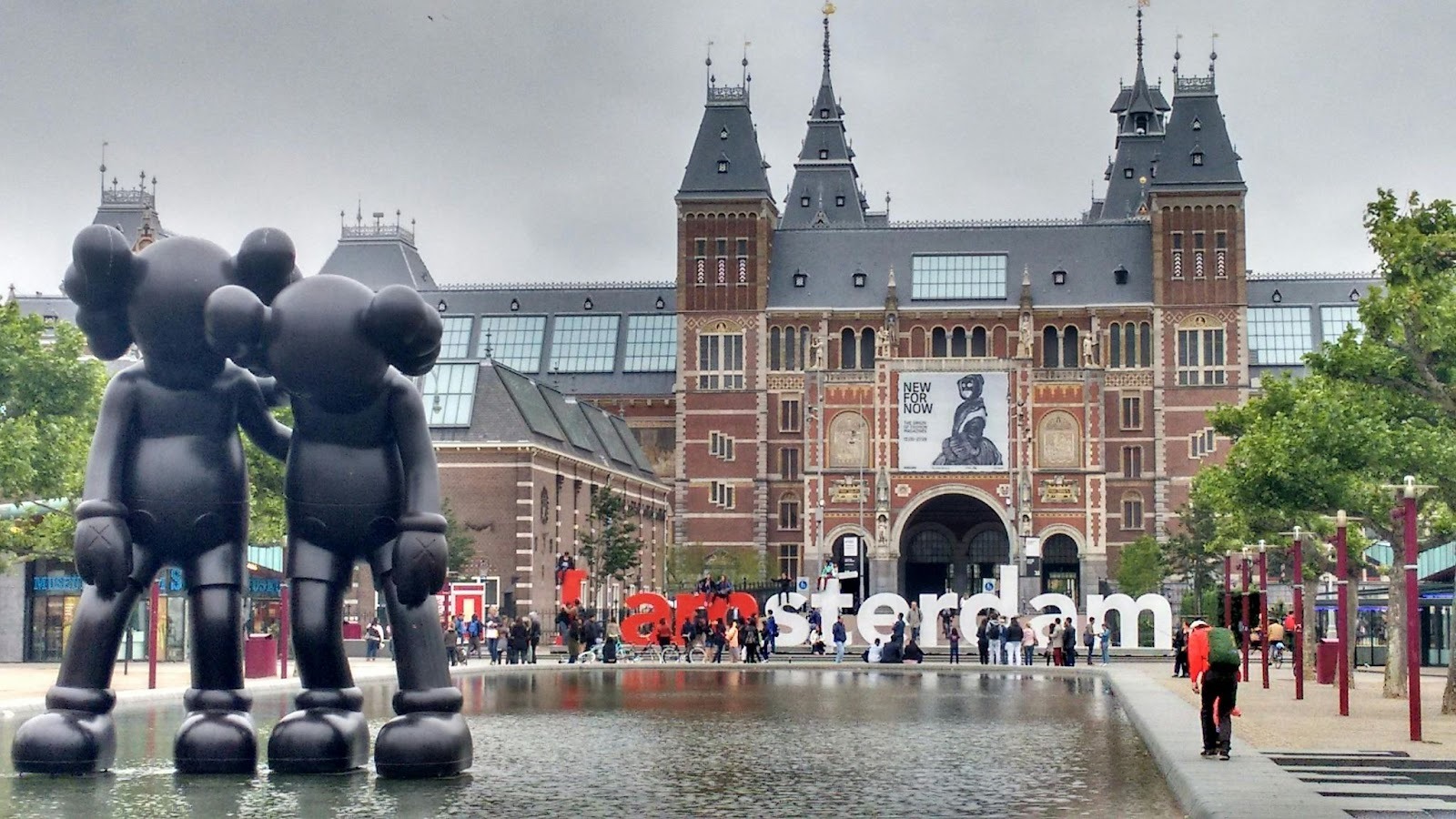
School choice is influenced by neighborhood dynamics
In Leiden, the proximity of your home often determines your primary school options because many schools use a postcode-based priority system. This means families frequently research local school rankings and atmospheres before committing to a specific residential area or street.
While some central neighborhoods face higher demand, the spread of quality education across the city ensures that most families find a suitable match nearby. Planning ahead by visiting schools during open days in the autumn allows parents to gauge the specific community feel of each location.
Waiting lists can exist, but pressure is manageable
The 2026 school year sees some popular primary schools maintaining waiting lists, particularly those with specialized philosophies or central locations. However, because Leiden offers a wide variety of institutions, these lists are rarely an insurmountable barrier for proactive parents.
Flexibility remains key when a first-choice school is at capacity, as neighboring schools often provide a very similar standard of education. Most placement issues are resolved well before the start of the academic year through the city's coordinated application processes.
Cycling culture supports school independence
The city's safe, well-maintained cycling paths allow children to begin traveling to school on their own or with peers from around age eight or nine. This early autonomy is a hallmark of Dutch childhood and significantly reduces the logistical burden on working parents.
As children move into secondary education, their ability to navigate the city by bike expands their school options beyond their immediate neighborhood. This mobility fosters a sense of confidence and independence that defines the daily routine of Leiden’s youth.
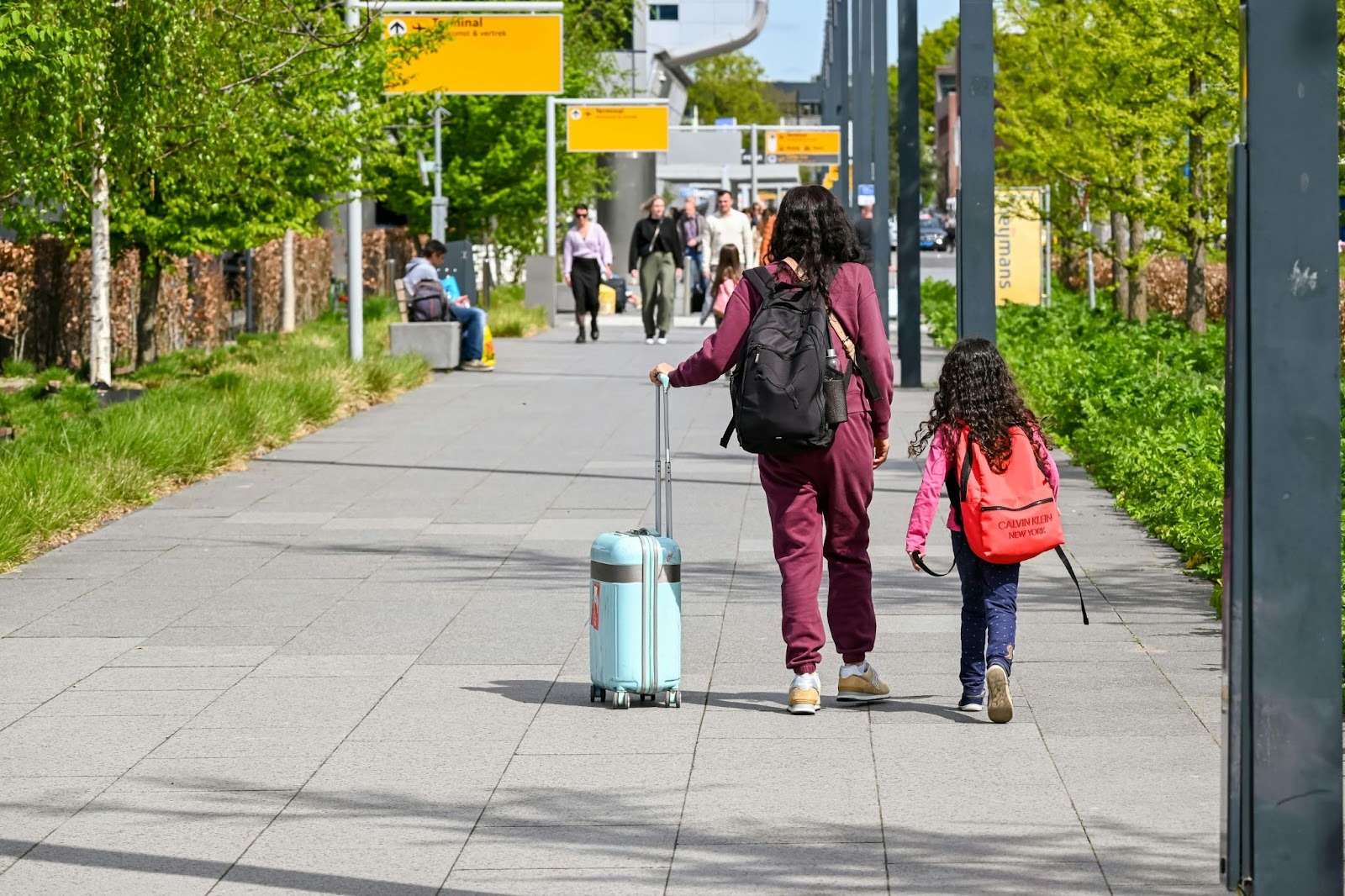
What families often underestimate when choosing schools
While high rankings and academic labels often dominate the initial search, families frequently find that the actual atmosphere of a school has a more significant impact on their child's daily happiness. In Leiden, the character of a school can vary from the traditional to the highly creative, and finding a cultural match for your parenting style is usually more rewarding than chasing a specific reputation.
The logistical reality of the school run is another factor that is often overlooked until the routine begins. Choosing a school within easy cycling distance not only simplifies the morning for parents but also allows children to build a local social network that exists outside of school hours.
When Leiden may feel limited for some families
Families seeking highly niche or specialized educational programs, such as specific artistic or technical tracks not covered by the local gymnasium or vocational schools, may find the city's options somewhat narrow. While the city excels in general and pre-university education, the absolute variety of specialized private institutions is smaller than in the neighboring hubs of The Hague or Amsterdam.
Additionally, for families arriving mid-year, the most popular schools may have reached their student caps, requiring a more flexible approach to placement. While the overall quality across Leiden is high, those with a rigid list of requirements might need to look toward the broader Randstad region to satisfy very specific academic or extracurricular needs.