

February 8, 2026
Which schools are most suitable for expat families moving abroad?
3/10/2025
February 20, 2026
February 20, 2026
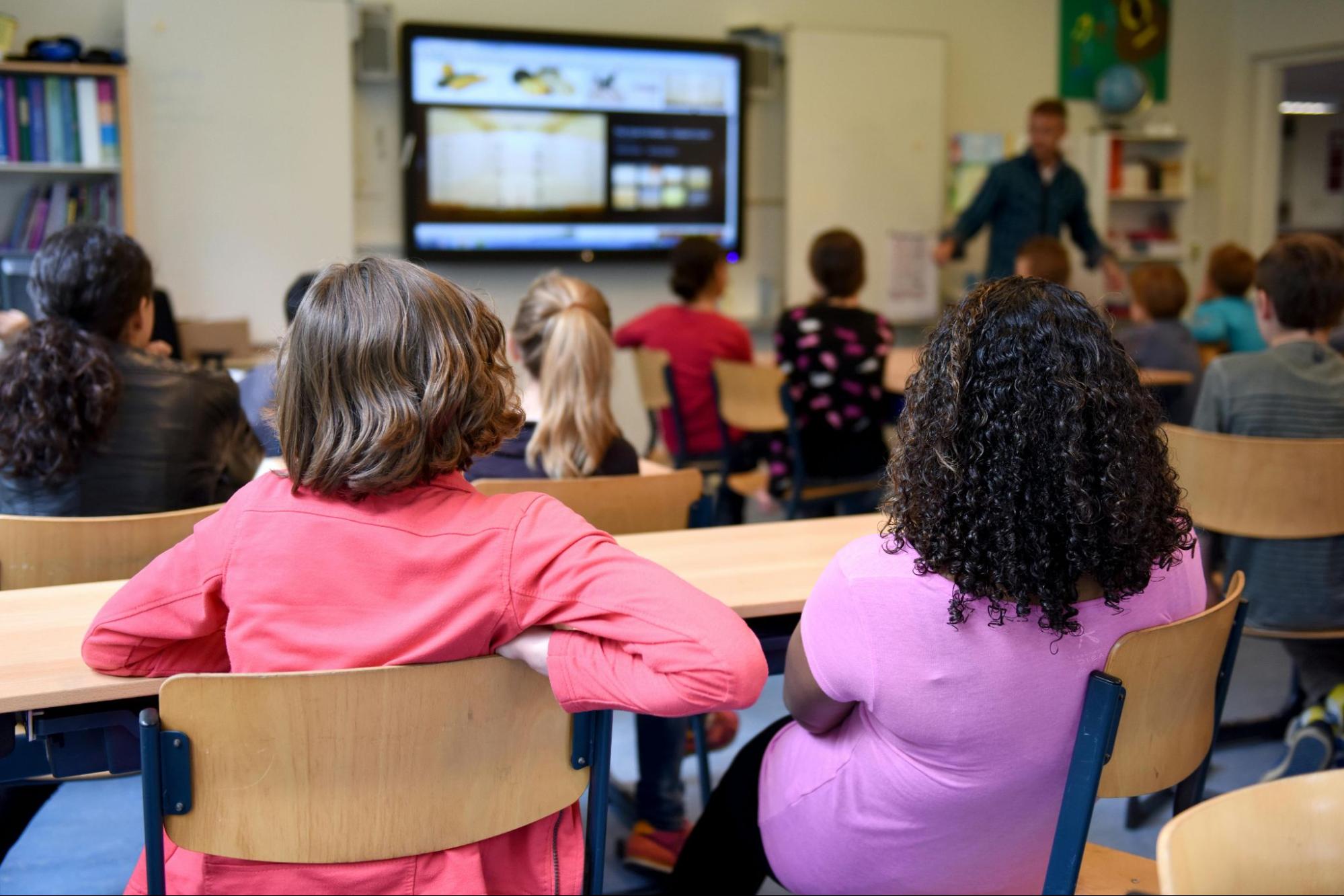
For expat families, choosing a school is often more stressful than finding a home. Housing searches may be competitive and exhausting, but schooling decisions carry a different kind of weight. They shape daily routines, language development, social integration, and the length of time a family can realistically stay in the Netherlands. What makes the process difficult is not a lack of options, but the need to choose between systems that are built on very different assumptions about time, language, and belonging.
School choice is tied closely to the length of stay
One of the first questions expat families quietly ask themselves is how long they expect to stay. This question influences every schooling decision, even if the answer is uncertain. Families planning a short stay often prioritize continuity with international curricula, while those considering long-term settlement think more about integration. The difficulty is that many families do not know their timeline in advance, which makes choosing a school feel like a commitment made without full information.
International schools offer familiarity and continuity
International schools are often the first option expat families explore. They provide familiar teaching styles, widely recognized curricula, and instruction in English or another international language. For children who have already moved between countries, this continuity can be stabilizing. The environment is designed for mobility, with classmates arriving and leaving regularly. What families gain in familiarity, they often trade for cost and distance, as these schools are limited in number and usually expensive.
Dutch public schools are built around integration into local society. Language immersion happens quickly, and children are expected to adapt rather than be accommodated long term. For younger children especially, this transition can be smoother than parents expect. Social integration often happens faster at school than elsewhere. However, the early months can be intense, as children navigate a new language and system simultaneously.
Language support varies by school
Some public schools have experience supporting non-Dutch-speaking children and offer additional language assistance. Others expect faster adaptation with less structured support. This variation matters more than the school’s reputation. For expat families, the presence or absence of language support often determines whether the experience feels manageable or overwhelming. These details are rarely visible at first glance, yet they shape daily school life significantly.

Age changes the experience dramatically
The child's age plays a major role in how different school systems respond. Younger children often adapt quickly to Dutch schools, picking up language naturally through play and routine. Older children face more academic pressure and social complexity, which can make transition harder. For teenagers, switching systems can feel disruptive, especially when exams or qualifications are involved. This age-related difference is one reason families with multiple children sometimes make different choices for each.
School availability influences housing decisions
In practice, school choice and housing choice are deeply connected. Catchment areas, commuting time, and waiting lists shape where families can realistically live. Some families prioritize proximity to an international school and accept higher housing costs or longer commutes as a result. Others choose housing first and then navigate school options within reach. The order of these decisions often reflects urgency rather than preference.
Many international schools have long waiting lists, especially in popular cities. This creates uncertainty that affects planning. Families may secure housing without knowing whether a school place will be available, or accept temporary schooling arrangements while waiting. This uncertainty adds stress to an already complex relocation and makes it harder to feel settled, even after a move is complete.
Cultural expectations differ between systems
Beyond language, school culture differs in ways that surprise many expat parents. Dutch schools often emphasize independence, social development, and a relaxed classroom atmosphere. International schools may feel more structured or academically focused, depending on the curriculum. Neither approach is inherently better, but the difference can feel significant when expectations are shaped by previous experiences elsewhere.
School plays a central role in how children build social networks. In international schools, friendships are often easy to form but temporary. In Dutch schools, friendships may take longer to develop but tend to be more stable. For parents, this affects not just the child’s experience, but their own sense of community. School becomes one of the main gateways into local life, or into an international bubble.
Costs shape long-term decisions
The cost of schooling influences how long expat families can stay. International school fees add a substantial recurring expense that compounds housing and living costs. Some families plan for this expense short term but reassess if their stay extends. Dutch public schools are far more affordable, but require emotional and linguistic investment. Over time, cost considerations often push families toward integration, even if it was not the original plan.
Many expat families do not choose one system permanently. Children may start in international schools and later transition to Dutch schools, or the reverse. These transitions reflect changing plans, improved language skills, or financial considerations. While transitions are possible, they are rarely seamless. Each switch requires adjustment, which is why timing becomes as important as the choice itself.

School choice reflects family priorities
There is no universally “best” school for expat families. Choices reflect priorities around language, stability, cost, and future mobility. Some families value academic continuity above all else. Others prioritize social integration or emotional well-being during transition. These priorities can shift over time, which explains why initial choices are often revisited later.
Advice rarely fits every situation
Expat families often seek advice from others who have already navigated the system. While helpful, this advice is shaped by specific circumstances that may not translate. Different cities, ages, languages, and timelines create different outcomes. What worked well for one family can feel completely wrong for another, even within the same school.
During relocation, schools often become the most stable part of daily life. They provide routine, social contact, and a sense of normalcy for children adjusting to a new environment. This stabilizing role is why school choice feels so consequential. It is not just about education, but about anchoring family life during a period of change.
Understanding schools as part of settlement
For expat families, schools are not a separate decision from housing or work. They are part of the settlement process as a whole. Understanding how different school systems operate, and what they assume about language and permanence, helps families make choices that fit their situation rather than idealized expectations.
Clarity reduces pressure, even when options are limited
Knowing what types of schools exist and how they differ does not eliminate the difficulty of choosing. What it does change is the feeling of being lost. When choices are understood as trade-offs rather than right or wrong answers, decisions feel more grounded. In a relocation already full of uncertainty, that clarity often makes school selection feel less overwhelming, even when the path forward remains imperfect.


