February 7, 2026
Which neighborhoods in Groningen have the best schools?
18/2/2023
February 7, 2026
February 7, 2026

In 2026, Groningen will not only be known as the vibrant student city of the north, but also as a center of educational innovation. For families settling in the city, the quality of education is often the most important factor when choosing a residential area. Whether you're looking for a primary school with a specific pedagogical concept such as Montessori or Dalton, or looking at the opportunities for advancement to secondary education, Groningen's neighborhoods offer a varied landscape.
In this article, we analyze the neighborhoods that will top the lists in 2026 when it comes to educational quality, facilities and the general learning environment for children.
Helpman: The undisputed leader in the south
When we look at educational results and parental satisfaction, the neighborhood helpman in Groningen-Zuid invariably comes out as one of the winners. This stately neighborhood has traditionally attracted many highly educated families, which has led to a very strong school network.
- Primary education: In helpman, you will find schools that consistently score high on the final tests. The Joseph Haydn School and the Pendinghe are institutions in the district with a strong reputation for structure and excellent student guidance.
- Continuing education: Helpman acts as an educational hub. With the locations of the praedinius gymnasium and the H.N. Werkman Stadslyceum nearby, children in this district can attend top level education from the age of four to eighteen without leaving the neighborhood.
- The atmosphere: The neighborhood is safe, green and child-rich, which provides a stimulating environment outside the school walls.
De wijert and the 'Community School' Approach
De wijert is directly adjacent to the helpman. This district has made a big catch up in recent years by introducing modern school buildings and the “Community School” philosophy.
- Integral Child Centers (IKC): In 2026, the integration between childcare and education in De wijert will be almost complete. The multifunctional center (MFC) De Wijert houses various schools that work closely with sports clubs and cultural institutions. This ensures that children are also challenged after school in a way that supports their regular learning curriculum.
- Innovation: Schools in this neighborhood are more likely to experiment with digital literacy and personalized learning, which is attractive for parents who want to prepare their children for the labor market of the future.
Schildersbuurt and zeeheldenbuurt: Academic tradition
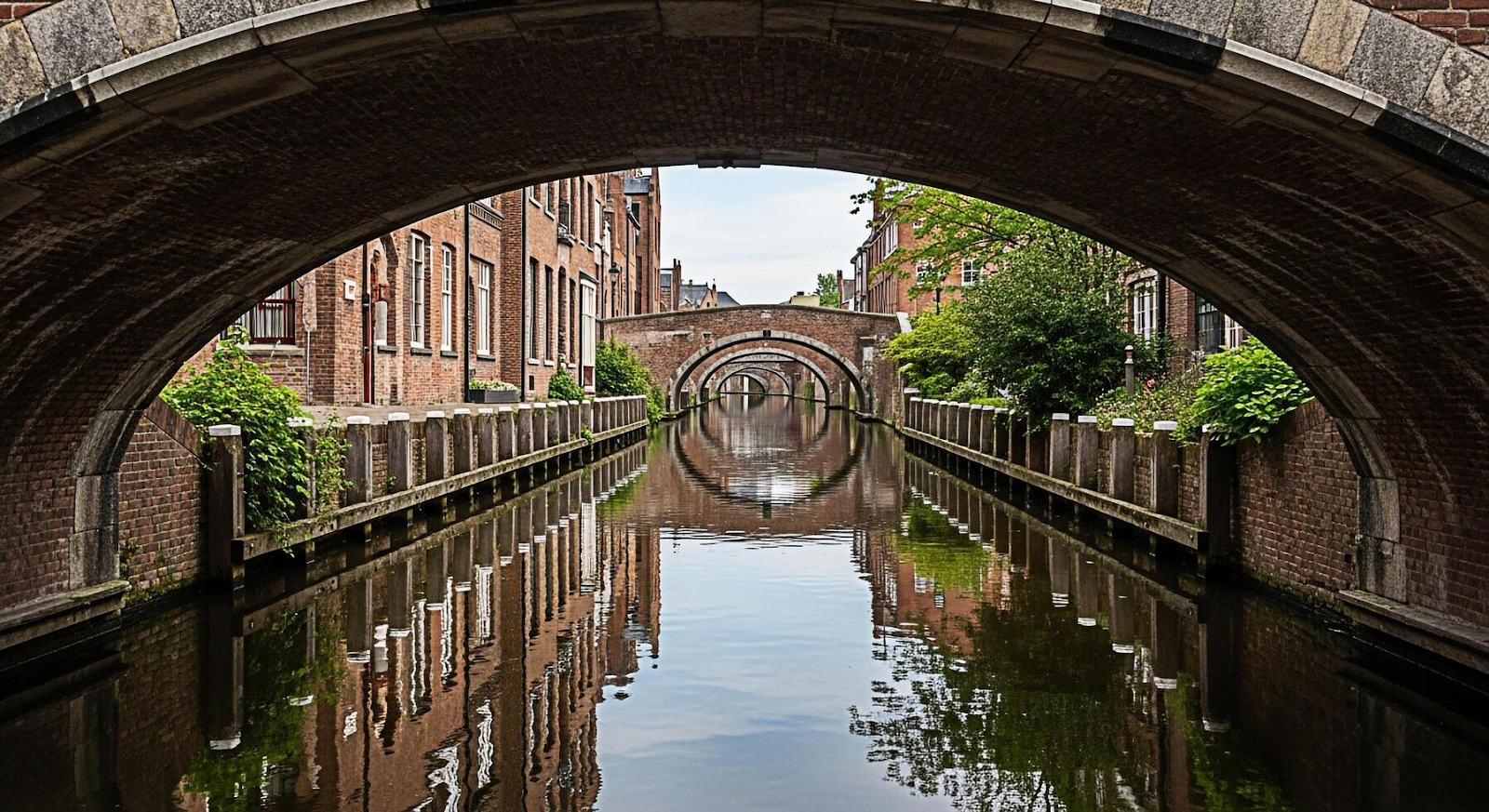
The Schildersbuurt and the Zeeheldenbuurt are located near the city center. These neighborhoods breathe the academic atmosphere of the nearby University of Groningen.
- Special education: Parents in these neighborhoods often consciously choose schools with a specific identity. The Westerraad School (Montessori) is a popular example here. A lot of attention is paid to the child's individual autonomy, which is a good fit for the often liberal and intellectual residents of these neighborhoods.
- Cultural education: Due to their location near museums, the university library and theaters, education in these neighborhoods is strongly intertwined with culture. Excursions here form an essential part of the weekly curriculum.
The new attraction: Meerstad
Although Meerstad is officially a district on the eastern edge of Groningen, it cannot be missing from an overview of neighborhoods with the best schools in 2026. Meerstad was built with young families as a starting point.
- Modern facilities: The schools in Meerstad, such as IKC Meeroever, have the latest facilities in the field of sustainability and climate control. In 2026, a lot of attention will be paid to “outdoor learning”. Given the district's wetland and green environment, nature is literally used as a classroom here.
- Growth potential: Because the neighborhood is still growing, there is a pioneering spirit in the schools. There is a lot of room for parental participation and the lines between teachers and the board are short.
Korrewegwijk and the Indian neighborhood
In recent years, these neighborhoods have undergone a transformation from a working-class neighborhood to a popular place for young starters and families. This has had a positive impact on education.
- Dalton education: De Karre is a well-known example of a school that works according to the Dalton principles (responsibility, independence and cooperation). This type of education attracts a diverse group of students, which in 2026 is seen as a major achievement for children's social development.
- Language and multilingualism: Due to the diverse background of the residents, the schools in North Groningen are often experts in language development and multilingualism, which is considered a major advantage in our globalized world.
What should you pay attention to when choosing?
Educational quality is subjective; what is the “best school” for one child may not be the “best school” for another. In Groningen, the differences in objective quality (based on inspection reports) are relatively small, showing that the overall level in the city is high.
- Student population: In Helpman and the Schildersbuurt, you often find a more homogeneous, academically oriented group. In neighborhoods such as De Wijert or the Korrewegwijk, the population is more diverse, which can stimulate broader social education.
- Waiting lists: In 2026, popular schools in Helpman and Meerstad will sometimes face waiting lists. It is therefore advisable to contact your preferred school immediately when moving.
The city of Groningen continues to invest in its school buildings and in supporting teachers. As a result, there is a good chance that, regardless of the district you choose, you have access to education that meets the highest national standards. The trend for 2026 is clear: the focus is moving from purely cognitive results to a holistic approach that focuses on well-being, nature and digital skills.