February 5, 2026
When should you have a building inspection?
16/7/2024
February 19, 2026
February 19, 2026
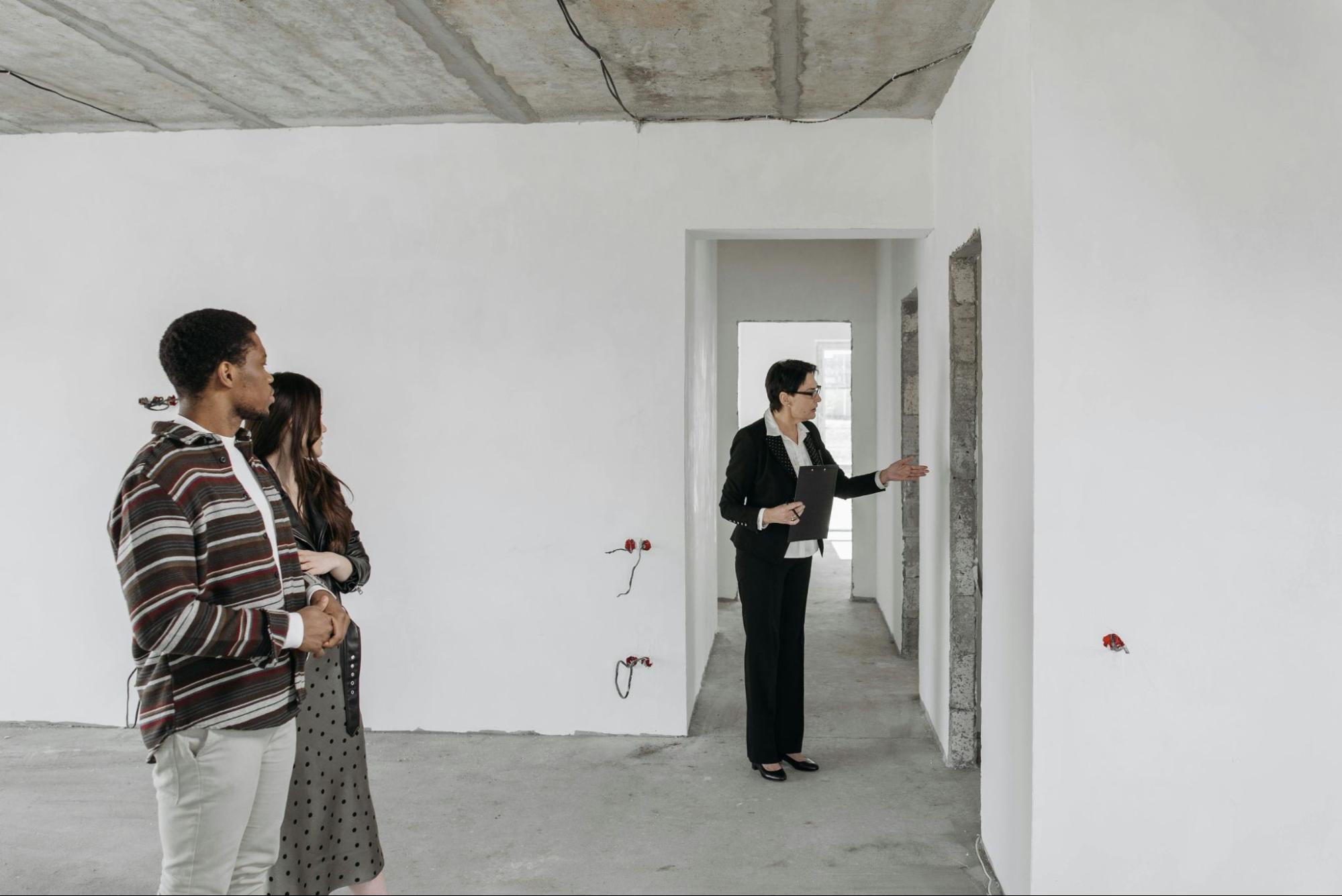
A building inspection often gets treated as a technical step somewhere in the middle of buying a home. Something you “do because you’re supposed to.” In reality, when you arrange the inspection matters just as much as having one at all.
In the Netherlands, timing an inspection correctly can protect you from financial surprises, unnecessary stress, and rushed decisions. Done too late, it limits your options. Done too early, it can waste time and money. Understanding the right moment helps the inspection actually serve its purpose.
Decision input
Many buyers approach building inspections as a simple formality to confirm a deal that is already basically done. This mindset leads to significant disappointment when issues arise because the report is viewed as a check the box exercise rather than a decision tool.
A building inspection is meant to inform your choice rather than just rubber stamp a previous commitment. It should happen while you still have the legal room to adjust your offer, renegotiate the price, or walk away from the deal entirely.
Offer acceptance
In the Dutch housing market, the ideal time for an inspection is usually right after your offer has been accepted. This specific window occurs before the purchase becomes fully unconditional, balancing the need for realism with the requirement for protection.
Before acceptance, conducting inspections is often impractical due to high competition and limited access to the property. After acceptance, you have the contractual space to investigate the home if your offer included the correct technical conditions.
Pre-bid reality
Some buyers wonder if they should inspect a property before even making a bid to avoid any unpleasant surprises. While this sounds sensible in theory, it rarely works in competitive markets where sellers do not want to wait for multiple individual inspections.
The costs of inspecting every home you like would also add up quickly before you even know if you can buy it. Pre-bid inspections make more sense for unique properties or in very calm markets where you have extra time to negotiate.
Protecting conditions
An inspection is only truly useful if it is tied to specific conditions within your written purchase agreement. If your offer includes a technical inspection clause, you retain the legal right to reconsider the purchase based on the inspector's findings.
Without this condition, the inspection report becomes purely informational with no practical consequences for the transaction. Timing the inspection within this agreed period ensures you still have multiple options and feel less pressure to proceed.
Avoiding panic
Some buyers delay their inspections until the financing process is nearly complete to save on initial costs. This often creates unnecessary stress because if serious issues appear late, you are forced to make a massive decision under significant logistical pressure.
Scheduling the inspection early in the conditional phase gives you the time to process the findings without panicking. Having the physical space to think clearly is a vital part of protecting your long term financial health.
Older homes
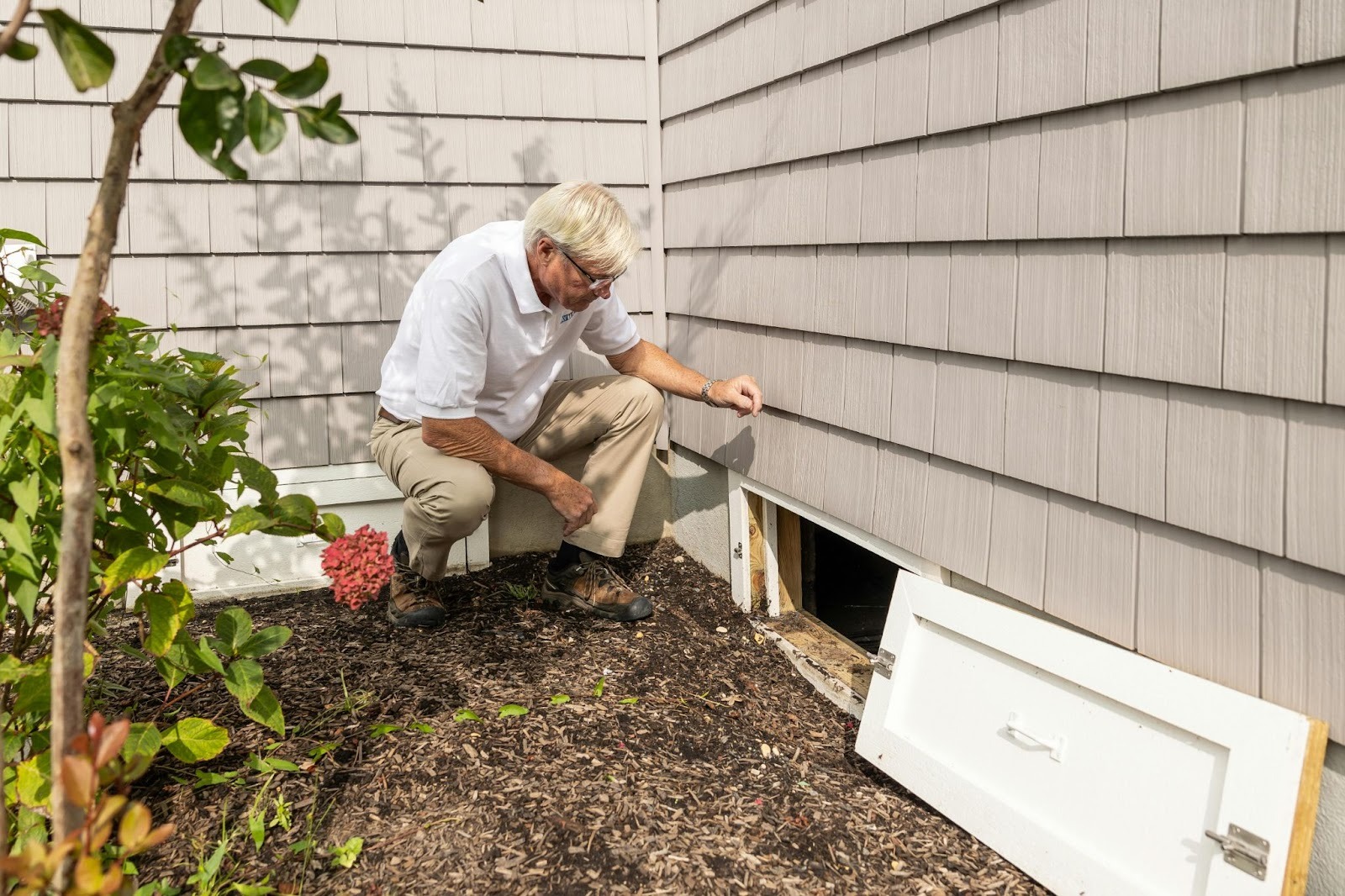
The age of a property changes the urgency and the necessity of very careful inspection timing. Older Dutch homes are far more likely to have hidden issues related to foundations, moisture, or outdated electrical and heating systems.
In these cases, you want to receive the findings early enough to factor them into your overall valuation of the home. With older properties, the timing of the inspection is your primary tool for effective risk management.
Newer properties
Newer homes do not eliminate the need for a professional eye, but they do change the focus of the report. Buyers sometimes delay these inspections because a property looks perfect on the surface or was built recently.
However, construction flaws or ventilation issues can still exist in relatively new buildings. These inspections should still happen while your conditions allow for a response rather than after the transfer of ownership.
Balancing emotion
The best time for a building inspection is often when your emotional excitement about the home is at its highest. After an offer is accepted, your enthusiasm peaks, which is exactly when objective technical input matters most.
The inspection acts as a necessary pause button that grounds your decision in physical facts rather than pure momentum. Promptly scheduling the report after acceptance creates a healthy balance between your enthusiasm and reality.
Timely conversation
Some buyers wait to see how they feel before addressing any negative findings with the seller or agent. Delaying these discussions can weaken your negotiating position and make your concerns seem less credible to the other party.
Sellers generally expect feedback within the agreed timeframe set out in the initial contract. A timely inspection allows for a calm and professional conversation that respects everyone's schedule while protecting your interests.
Setting priorities
Timing also affects your expectations and how you view the results of the building report. An inspection will not deliver a simple pass or fail result, but will instead highlight risks and future maintenance costs.
Doing it at the right time lets you decide which issues are deal breakers and which are manageable over several years. Late inspections often trigger panic over small issues that could have been planned for calmly.
Flexible urgency
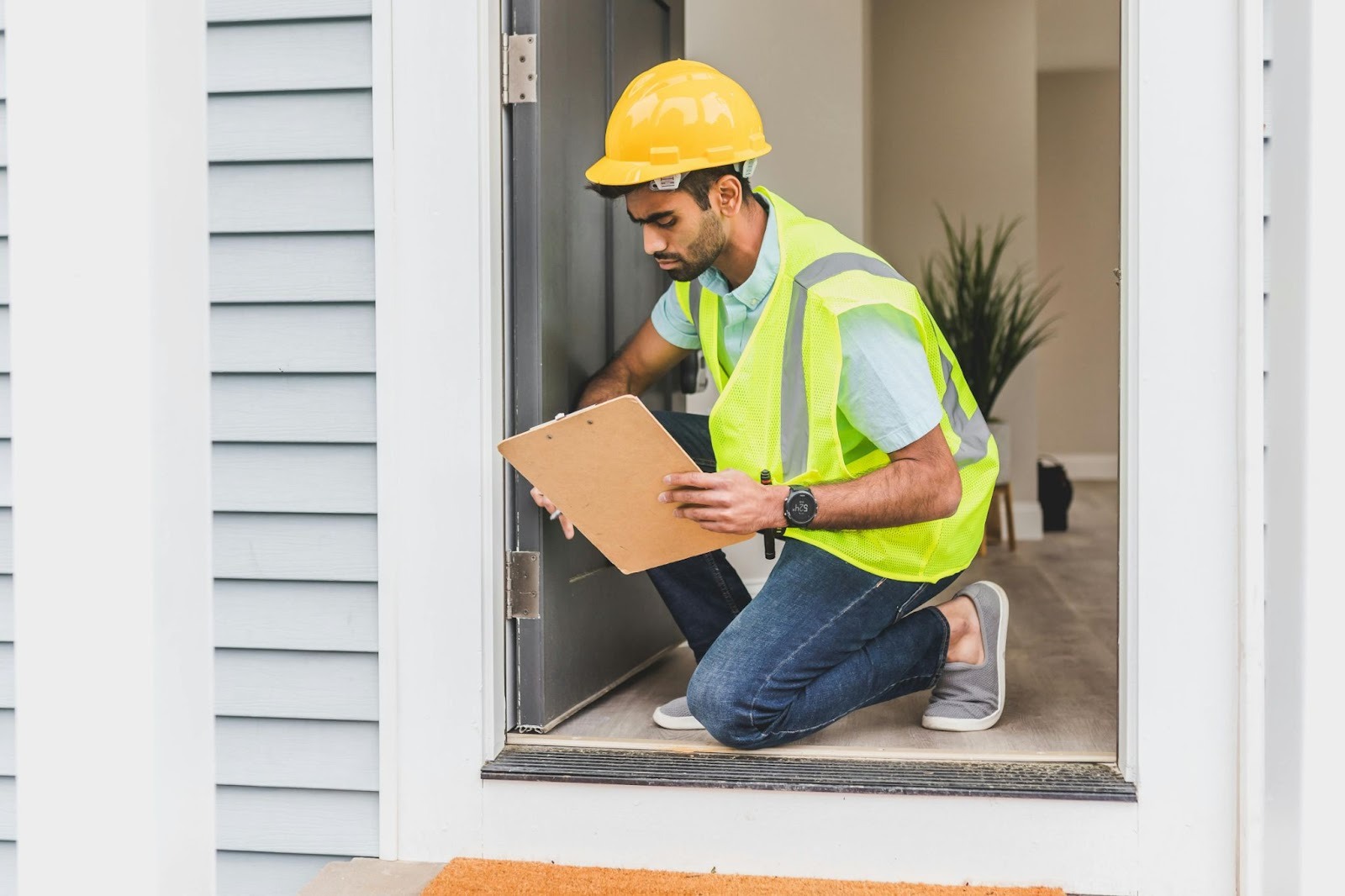
There are certain cases where the urgency of an inspection might be slightly lower than average. Apartments in well maintained buildings or homes with extensive recent documentation may feel like less of a mystery.
Even in these situations, an inspection adds much needed clarity to the process and reduces the number of unknowns. Lower urgency does not mean there is zero value in having a professional look at the structure.
Missing windows
Skipping an inspection or delaying it too long effectively removes your primary safety net. Problems discovered after the keys are handed over are almost always the sole responsibility of the new owner.
Even minor issues feel much heavier when they arrive unexpectedly and without any legal leverage to fix them. Most buyers who have regrets focus on when a problem was found rather than just the problem itself.
Strategic planning
Inspections work best when they are planned as a core part of your overall buying strategy. Knowing exactly when you will inspect helps you structure your offer and set realistic expectations for the coming weeks.
It is a proactive step that allows you to use information to your advantage rather than reacting defensively to bad news. Prepared buyers use their inspections deliberately to ensure they are making a sound investment.
Influence potential
You should arrange a building inspection when it can still influence your final decision to buy. In the Netherlands, this typically means shortly after your offer is accepted while your legal conditions still offer protection.
An inspection done at the correct time does not slow down the process but actually speeds up your clarity. This protection matters far more than the details of the report because it gives you the power to choose.