February 5, 2026
What tax advantages do homeowners receive after buying a property?
5/6/2024
February 19, 2026
February 19, 2026

For many buyers in the Netherlands, taxes are not the reason they decide to buy, but they often become one of the biggest justifications afterward. You hear that buying is “fiscally smarter,” that renters are “throwing money away,” or that ownership comes with generous benefits.
The reality is more nuanced. Buying a home in the Netherlands does come with tax advantages, but they’re specific, conditional, and sometimes misunderstood. Knowing what they actually are, and what they are not helps you avoid disappointment and make decisions based on facts instead of assumptions.
Core principle
The Dutch tax system is structured specifically to support those who purchase a property as their primary residence. Tax benefits are reserved for owner-occupiers, while investors and second-home owners are treated quite differently.
This clear distinction ensures that the most generous incentives remain available only for people living in the homes they buy. Understanding this focus helps you immediately filter out irrelevant advice regarding rental or speculative properties.
Mortgage deduction
The most discussed benefit of buying a home in the Netherlands is the ability to deduct mortgage interest from your taxable income. This deduction effectively lowers your net monthly housing costs by reducing the total amount of income tax you owe.
However, this incentive is not an unlimited grant and comes with specific conditions and time limits. It applies only to loans used for the purchase or improvement of your own home and is subject to annual caps.
Overestimated savings
Many first-time buyers expect a larger windfall from interest deductions than the current 2026 tax rules actually allow. The actual saving depends on your specific income bracket and the current interest rate environment in the country.
As you pay down the principal of your mortgage over thirty years, the interest portion and the resulting tax benefit naturally shrink. The deduction is a helpful support mechanism but it is not a permanent financial solution for ownership.
Notional rental value
Ownership involves a unique tax obligation known as the eigenwoningforfait, which is an imputed rent added to your taxable income. This system assumes that living in your own home provides a form of economic benefit that must be taxed.
This amount partially offsets the gains from your mortgage interest deduction, making the net benefit smaller than many expect. It serves as a balancing mechanism within the national tax framework to ensure fairness across housing types.
Front-loaded benefits
Tax advantages are generally at their strongest during the earliest stages of your homeownership journey in the Netherlands. Because your mortgage balance is at its highest, your interest payments and deductions provide a more visible impact.
As the years pass and you build more equity, the amount of interest you can deduct will slowly decline toward zero. You should view these benefits as a helpful initial boost rather than a permanent fixture of your long-term budget.
Renovation limits
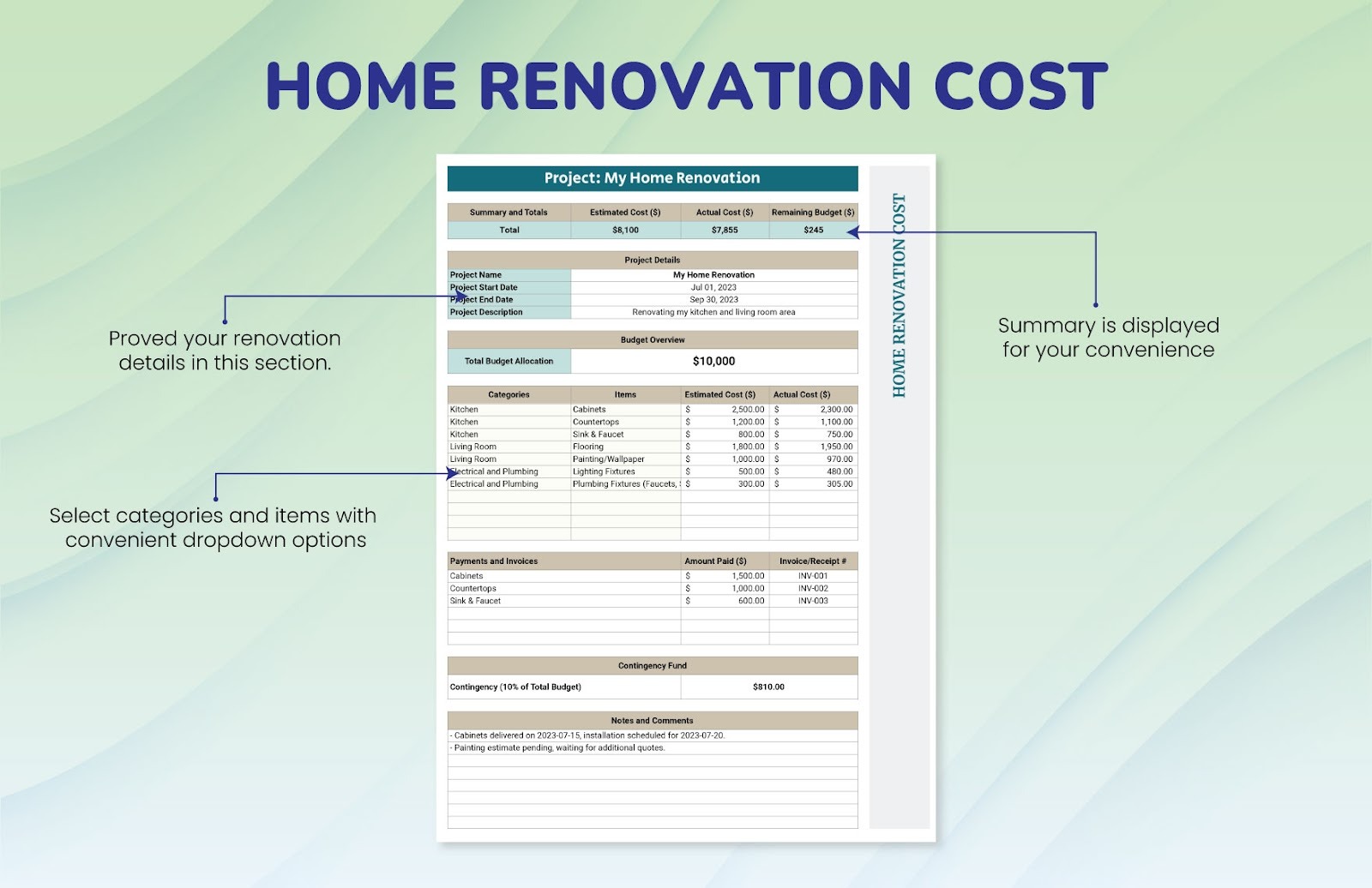
A common misconception is that the actual costs of a kitchen remodel or a new floor are directly tax deductible. In reality, you can only deduct the interest on a loan taken out to pay for those specific home improvements.
The capital spent on renovation materials and labor does not directly reduce your annual income tax liability. Proper documentation of how the loan was spent is essential to ensure you remain eligible for the interest deduction.
Buying vs renting
Renters do not have access to mortgage deductions, but they are also free from many of the taxes and costs that owners face. They do not pay property taxes or maintenance costs, and they have no exposure to shifting tax policies.
Tax benefits are just one factor in the larger comparison between owning a home and renting a flat. Choosing to buy solely for the perceived tax breaks can often lead to poor long-term financial outcomes for the buyer.
Capital gains
One of the most powerful advantages of owning a home is that the profit from selling your primary residence is usually untaxed. This allows homeowners to build significant wealth over time as property values naturally appreciate in the market.
This specific benefit encourages long-term stability and is not available for those selling investment or holiday properties. For many families, this tax-free growth eventually becomes the most important financial result of their purchase.
Municipal taxes
Becoming an owner means you must start paying various local charges for property ownership, waste, and water management. These municipal taxes vary significantly depending on where you live and are not offset by national deductions.
While these costs are usually manageable, they do reduce the overall net tax advantage of owning versus renting. You must account for these recurring local expenses when calculating the true cost of your monthly housing.
Decision drivers
Tax laws in the Netherlands have changed frequently over the last decade and will likely continue to evolve in the future. Relying on current benefits to justify a purchase exposes you to the risk of future policy shifts.
It is far more resilient to buy a home that fits your personal life and your general financial goals. The tax benefits should be treated as a welcome support for a decision that already makes sense on its own.

Tax authority role
All homeowner benefits are managed by the Belastingdienst, which requires high levels of accuracy and thorough documentation. Failing to meet the eligibility criteria can lead to unexpected adjustments and repayments years later.
While you do not need to be a professional expert, understanding the basic rules helps you plan with confidence. Keeping organized records of your mortgage and renovation loans will protect you during any future reviews.
Psychological comfort
There is a significant psychological benefit to knowing that some of your housing costs are working back through the tax system. Many owners feel a sense of efficiency and progress that they did not experience while paying rent.
This feeling of financial optimization contributes to the overall satisfaction of homeownership for many people. While the numbers may be modest, the sense of building a stable future is a very real advantage.