February 5, 2026
What steps help ensure a safe property purchase sight unseen?
6/7/2024
February 19, 2026
February 19, 2026
Buying a home without seeing it in person sounds risky, and in many ways, it is. Yet in the Netherlands, it’s becoming more common. Tight markets, international moves, short listing windows, and packed viewing schedules sometimes leave buyers with little choice.
Buying sight unseen doesn’t mean buying blindly. It means replacing physical presence with structure, verification, and distance-aware decision-making. When done carefully, it can be safe. When rushed, it’s where regret tends to start. The goal isn’t to remove all risk. It’s to make sure the risks you take are known, manageable, and aligned with your situation.
Intentional Buying
The first safety check for buying a home without a physical visit is internal and honest. You must determine if you are choosing this route because you truly cannot attend or if market pressure is pushing you to skip vital steps.
Buyers who choose this path intentionally tend to prepare much better than those who feel forced into it by a fast-moving market. Clarity about your motivations prevents careless decisions and ensures you set up the necessary structural safeguards.
Layered Information
When you cannot walk through a home yourself, you need to gather significantly more than just basic listing photos. Detailed video walkthroughs, high-resolution floor plans, and accurate measurements become essential components of your research.
One source of information is never enough to form a complete picture of a property. You should look for consistency between multiple formats, as discrepancies between photos and descriptions are a clear signal to slow down and investigate further.
Live Interaction
Recorded tours are often carefully curated to show a home in its best possible light. Live video walkthroughs allow you to ask questions in real time and request specific angles that a marketing video might conveniently ignore.
You can ask to see window views, street noise levels, storage spaces, and even the condition of ceilings or corners. This level of control during a remote viewing replaces physical presence by providing much needed transparency and immediate feedback.
Area Research
When you cannot visit the property, the surrounding neighborhood deserves a significant amount of extra attention. Ask for street level videos and honest descriptions of the local traffic patterns and the general atmosphere of the block.
Research transport access and nearby amenities carefully to ensure the location fits your daily routine. You can eventually adapt a home to your needs, but a mismatch with the neighborhood is much harder to fix after you move in.
Expert Eyes
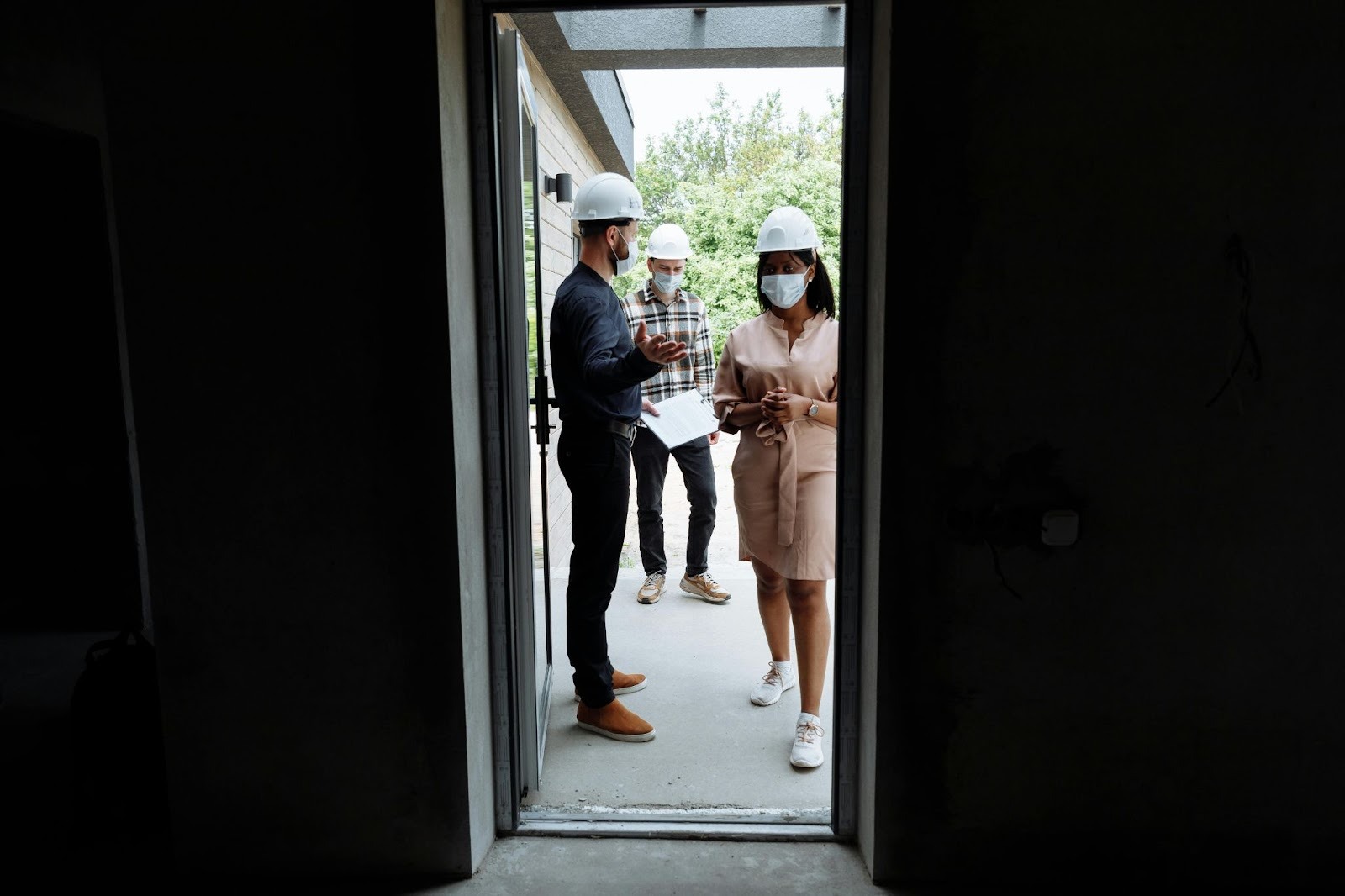
In a sight unseen purchase, a professional building inspection is an essential requirement rather than an optional safeguard. A thorough inspection replaces the sensory information your own eyes and nose would normally catch during a visit.
Issues like moisture, structural defects, and poor ventilation matter even more when you have not been there yourself. You are using the inspector's expertise to replace your physical absence and ensure there are no expensive hidden surprises.
Contractual Brakes
Protection matters significantly more than competitiveness when you are buying from a distance. Building strong financing and inspection conditions into your offer gives you the room to reassess once more detailed information becomes available.
Removing these safeguards before you have physically engaged with the property disproportionately increases your financial risk. Sight unseen purchases require stronger contractual brakes to ensure you can exit the deal if major issues are discovered.
Defining Risk
Safe buying means clearly separating acceptable cosmetic risks from unknown structural risks. A dated kitchen or worn flooring might be perfectly fine if you know about them and have factored the cost into your budget.
Structural uncertainty or vague disclosures from the seller are not risks you should accept without verification. Buying safely means being willing to walk away when a property crosses the line from imperfect to high risk and unknown.
Emotional Distance
Photos are designed to be persuasive and often highlight space and light while minimizing a home's flaws. When you haven't been physically present, it is very easy to overestimate how a property will actually feel in person.
Consciously slow down your emotional attachment to any single listing you see online. Treat your early interest as provisional and wait for the verification steps to be completed before you fully commit your heart and finances.
Seller Transparency
Understanding whether a seller is cooperative with remote buyers can tell you a lot about the transparency of the deal. A seller who provides extra materials and allows for extended inspections is generally more trustworthy than one who resists.
Cooperation from the other party reduces the inherent risk of the distance between you and the property. Openness from the seller and their agent matters much more when you cannot physically verify the state of the home yourself.
Post-Purchase Buffer
Even with perfect preparation, you will likely notice small things about the home only after you have moved in. Layouts can feel different in person and natural light patterns often reveal themselves slowly over the course of a day.
Buying sight unseen safely means budgeting both emotional and financial room for these post purchase adjustments. Resilience is a part of safety, so plan for a few surprises as you settle into your new surroundings.
Selecting Candidates
Some homes are simply not appropriate candidates for a remote purchase due to their age or condition. Older properties with complex histories or known moisture issues carry a much higher risk that multiplies when you aren't there.
In these cases, the safest decision is often to wait for a property that is easier to verify from afar. Not every opportunity in a competitive market is meant to be taken through a remote transaction.
Engineering Success
When buying sight unseen works, it is usually because the buyers respected the distance rather than trying to ignore it. They replaced their physical presence with a strict process and grounded their excitement in structural reality.
Success in these types of transactions is rarely accidental and is almost always the result of careful engineering. They did not expect total certainty from the start; they simply planned for the existing uncertainty.
Process Focus
Buying sight unseen in the Netherlands is not inherently dangerous, but it is very unforgiving of those who take shortcuts. When you layer your information and insist on verification, it can be a rational and effective path.
The key question is whether you are prepared to follow the proper steps without letting emotion take over. If you remain disciplined, distance does not have to cost you your safety or your financial peace of mind.