February 7, 2026
What lifestyle fits renting better?
10/10/2024
February 20, 2026
February 20, 2026

Renting is often treated as a temporary phase on the way to ownership. In reality, certain lifestyles align naturally with renting, not because buying is bad, but because flexibility, simplicity, and adaptability matter more than permanence.
In the Netherlands, where housing decisions are closely tied to career paths, urban life, and mobility, renting can be a deliberate and well-fitting choice. The question isn’t whether renting is “lesser,” but whether it supports how you actually live.
A lifestyle shaped by frequent change
Renting fits lives that evolve quickly, especially if your work or personal priorities tend to shift every few years. This housing choice absorbs those transitions with minimal friction, making resets much simpler than when you have a mortgage.
Moves and lifestyle adjustments are far easier to manage when your housing is not a thirty year financial commitment. For people who prefer variety over total stability, renting feels supportive rather than restrictive in their daily lives.
Careers that reward mobility and responsiveness
Certain careers thrive on a high degree of flexibility, especially roles involving frequent relocation or short term projects. Renting allows you to say yes to new professional opportunities without your home becoming a major limiting factor.
Buying a property too early can quietly narrow your career options by anchoring you to one specific geographic area. Career momentum often values the ability to move quickly over the long term benefits of property ownership.
Urban lifestyles centered on access rather than space
City focused lifestyles in 2026 often prioritize immediate access to work, culture, and a vibrant social life. Renting makes it much easier to live in central locations where buying a home is often prohibitively expensive for most.
For people who value proximity to urban amenities over the permanence of a deed, renting is often the superior alignment. In these cases, having easy access to the city center beats the responsibilities of home ownership.
People who value simplicity over responsibility
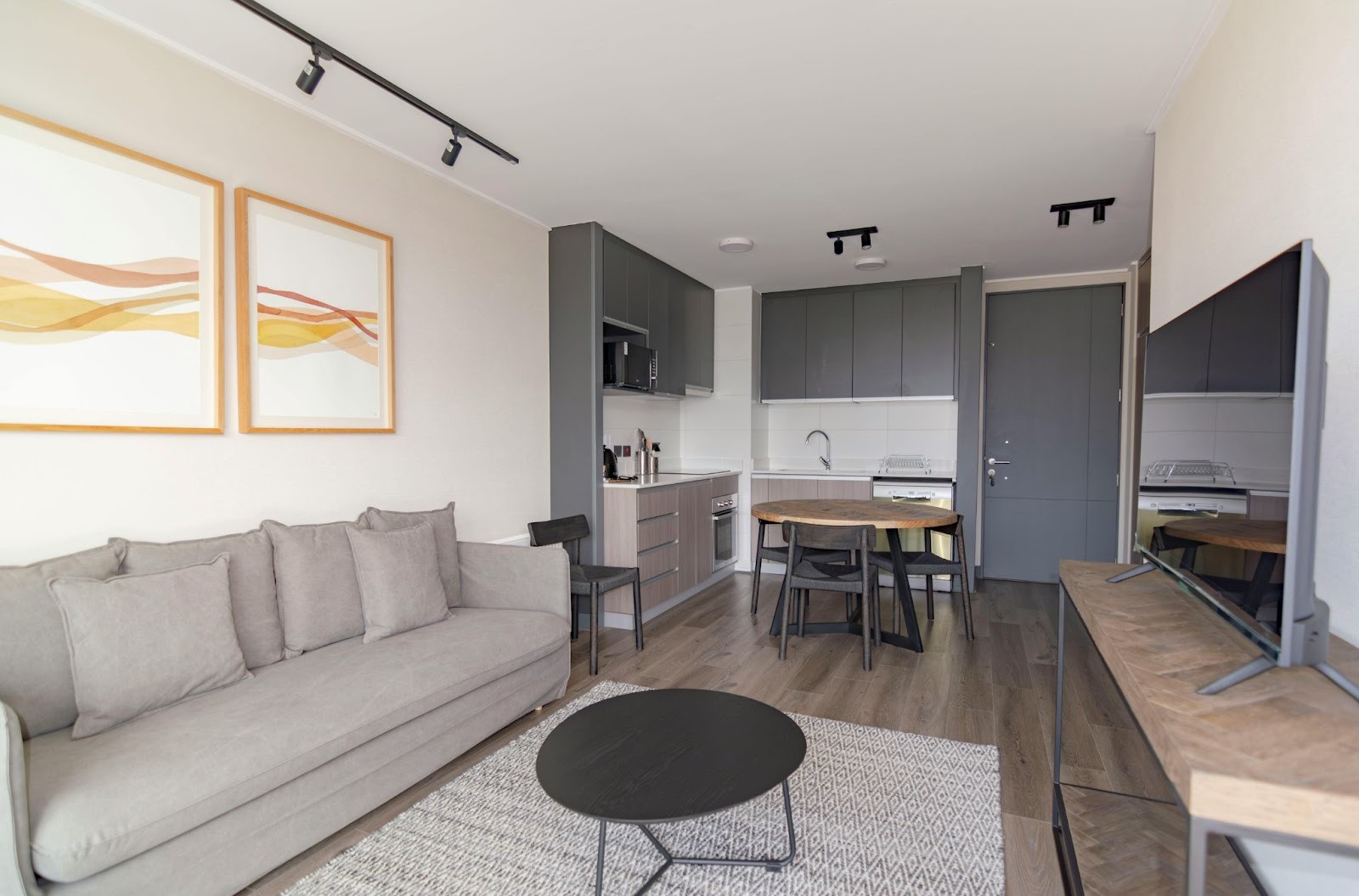
Renting effectively minimizes your daily responsibilities because maintenance and building management are handled by external providers. This suits people who prefer to invest their energy into their careers, hobbies, or travel plans instead.
Ownership adds several layers of complex decision making and upkeep that not everyone truly enjoys or has time for. Choosing simplicity in your living situation is a valid lifestyle choice that can reduce your overall stress levels.
Financial strategies that favor liquidity
Some people value cash flexibility above all else, keeping their savings accessible rather than tied up in a property. Renting preserves your liquidity, which can be vital for supporting entrepreneurship, further education, or other investments.
For those who prioritize financial agility, renting offers a better path than committing a large down payment to a house. Maintaining high liquidity supports your ability to experiment with different life paths and financial goals.
Life stages are defined by exploration
Early adulthood and other transitional phases often involve a heavy dose of personal and professional exploration. Trying out different neighborhoods or living arrangements helps you clarify your long term preferences before committing.
Renting supports this process without forcing you into early conclusions about where you want to live forever. Personal curiosity benefits greatly from the flexibility that a standard rental contract provides in the current market.
Households without a fixed long-term location
Some households simply do not have geographic certainty yet due to international careers or evolving family plans. Renting accommodates this inherent uncertainty by allowing you to stay mobile until your situation settles.
Buying a home effectively locks your location into your identity, which might feel premature if your plans are still in flux. Having location certainty matters before taking on the significant legal and financial weight of a purchase.
Lifestyles that prioritize time freedom
Home ownership can consume a surprising amount of your personal time through arranging repairs and managing finances. Renting outsources much of that mental load to a landlord or a professional management company.
For people who value their time freedom above all else, renting aligns naturally with their daily priorities. Saving your time for the things you love is a core part of designing a lifestyle that feels right for you.
People are comfortable with impermanence
Some individuals naturally thrive without permanent roots and value variety and changing rhythms in their environment. Renting supports this specific mindset without framing it as a sign of instability or a lack of maturity.
Permanence is not a universal goal, and your personal identity can remain fluid and adaptable throughout your life. Choosing not to own a home allows you to embrace a lifestyle that is defined by movement and new experiences.
Families in early or transitional stages
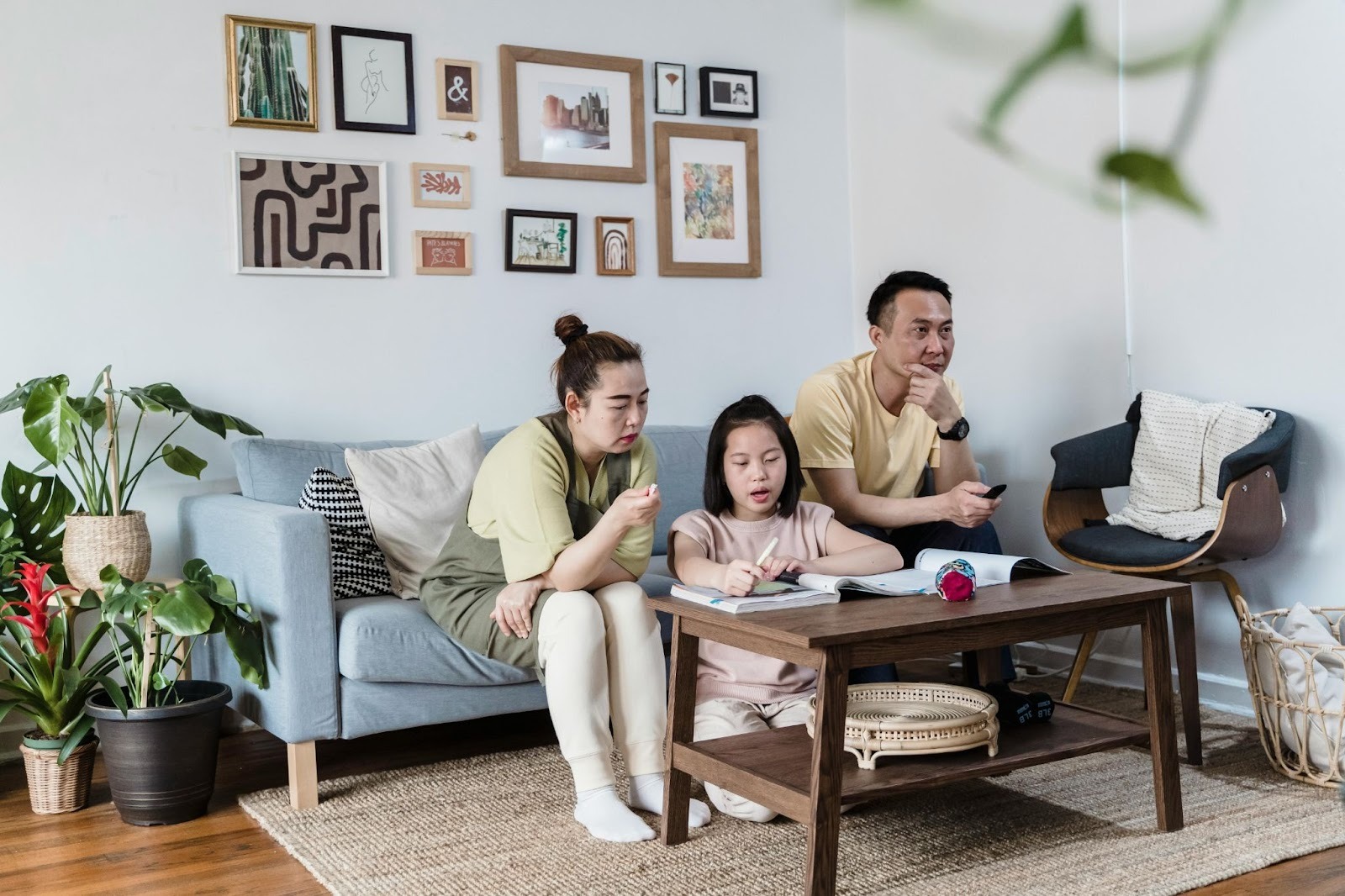
Even families can benefit from renting during early parenting years or during major school transitions for their children. Stability is important, but the timing of a home purchase must align with when your family routines have actually settled.
Renting provides a practical buffer during these high pressure years until you are certain about your long term needs. It allows you to test out a school district or neighborhood before making a permanent financial commitment.
Lifestyles that don’t center around property ownership
For many people, property ownership is simply not a core personal value or a primary measure of their success. They derive much more satisfaction from their relationships, experiences, and work than from owning a piece of land.
Renting fits these priorities perfectly and does not require you to make any compromises on what truly matters to you. Personal fulfillment is not tied to property deeds or the status of being a homeowner in 2026.
When renting becomes less supportive
Renting starts to feel less supportive when your priorities begin to shift toward wanting more space and deeper long term roots. At that point, the benefits of ownership, such as stability and control, may start to outweigh the need for flexibility.
As your lifestyle evolves, you might find that the constant exposure to the rental market becomes more tiring than helpful. Recognizing this shift in your own needs is the key to knowing when it is time to consider buying.
Match over compromise
Renting is an ideal fit for lifestyles that value responsiveness to change and a high degree of daily simplicity. It supports careers that are in motion and lives that are currently in a phase of transition or exploration.
The best housing choice is never the one that society expects you to make, but the one that supports your actual life. When renting aligns with your current priorities and goals, it is a perfect match rather than a compromise.