February 7, 2026
What historical charm do the various neighborhoods in Delft offer?
9/2/2023
February 7, 2026
February 7, 2026

In 2026, Delft will be a city where the past is not just in history books, but can be felt in every street. While cities like Rotterdam are betting on futuristic skyscrapers, Delft has mastered the art of preserving its seventeenth-century soul while being a modern, technological hub. For residents and visitors, the city offers a mosaic of neighborhoods, each with its own character and a unique historical load.
From the stately canal houses in the center to the hidden courtyards in the lesser-known quarters, Delft's historic charm is multifaceted and deeply rooted in the Golden Age, Delft Blue and the House of Orange.
Downtown: The heart of the golden age
When you say Delft, you say the city center. In 2026, this area will be more than ever a living museum where the ghost of Johannes Vermeer and Willem van Oranje still haunt. The charm here is “vertical”: you look up at the stepped gables and down into the deep canals that were once the lifeblood of the beer and cloth industry.
- The market and town hall: The main square is dominated by the Renaissance-style town hall, designed by Hendrick de Keyser after the great fire of 1618. The medieval tower 'The Stone', which survived the fire, once served as a prison and recalls the rougher side of city history.
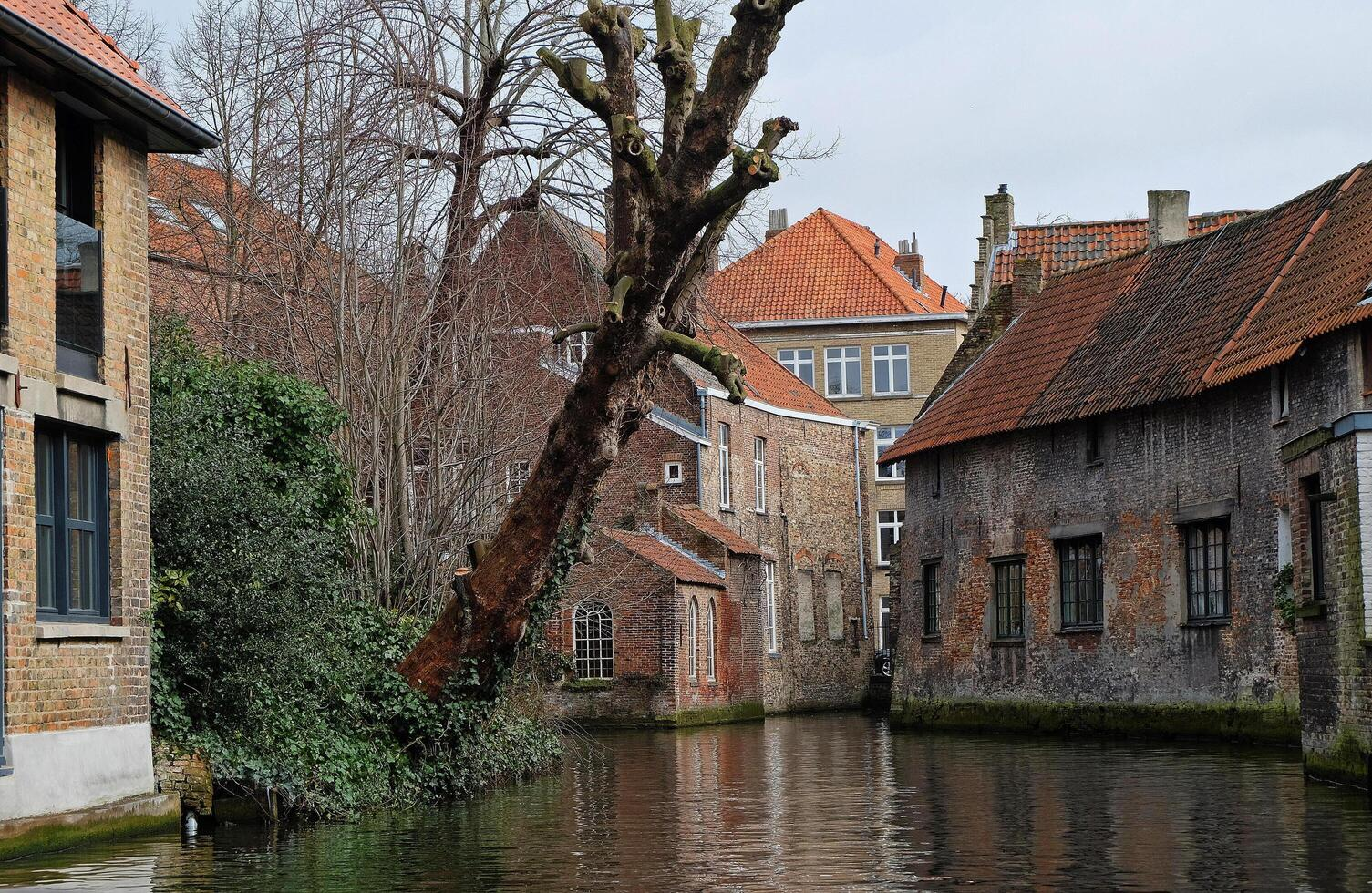
- Old Delft: This is the oldest canal in the city (around 1100). Here are the most prestigious buildings, such as the Delfland Municipal House with its richly decorated Gothic façade. It's the place where you can hear the silence of history, far from the tourist flows in the Markt.
- Prinsenhof: No place in Delft exudes as much national history as this former monastery. Although the museum will undergo a large-scale restoration in 2026, the exterior with the characteristic monastery garden remains a place of reflection. The bullet holes from the murder of William of Orange are here the tangible proof of the birth of the Netherlands.
Hof van Delft: The neighborhood of peace and tradition
The Hof van Delft district is located just outside the western canal. For families in 2026, this will be one of the most popular neighborhoods, precisely because the historic architecture here will be combined with a wider, greener layout.
- The westerstraat and surroundings: This neighborhood exudes the atmosphere of the late nineteenth century. The charm here lies in the small-scale workers' houses and the stately civilian homes that stand side by side in harmony.
- The Agnetapark: This is a hidden gem of social history. Built by Jacques van Marken (founder of the yeast and spirit factory) as one of the first social housing projects in the world, the park offers a unique mix of English landscape style and historic houses. In 2026, the park will be an oasis of peace where the ideals of the nineteenth-century industrialist can still be felt.
Vrijenban and the eastern quarters
On the north and east sides of the center, we find neighborhoods where the charm is more modest but no less authentic.
- Wippolder: This district forms the bridge between the city and TU Delft. The historic charm here lies in the early twentieth century architecture and the presence of the Science Center in the old mining building. The brick facades and the many small squares give the neighborhood a cozy, almost village character.
- East Gate: The area around Delft's only remaining city gate will be an iconic spot in 2026. The double towers of the gate (around 1400) mark the border where the medieval fortifications merged into the polders. A walk along the canals here offers a panoramic view that has hardly changed since the seventeenth century.

The hidden gems: The Delft courtyards
What connects all the historic neighborhoods in Delft are the courtyards. These “silent witnesses” of charity and community are scattered throughout the city, but are often invisible from the streets.
- Klaeuwshofje and peacock court: Founded in the seventeenth and eighteenth centuries, these courtyards housed widows and single women. In 2026, they will still be inhabited, creating a unique form of living heritage. The white facades, the tightly trimmed boxwood hedges and the absolute silence in the middle of the city are the ultimate historical charm.
New Delft: The historic link with the future
Even in the city's newest district, Nieuw Delft (located on the roof of the railway tunnel), the historic charm has not been forgotten. When developing the coenders neighborhood, a conscious choice was made for an allotment that is reminiscent of the old Delft streets: narrow, varied and with attention to detail.
In 2026, here you can see how the canal structure has been extended, so that the new neighborhood fits seamlessly with the ancient pattern of the city center. It is proof that Delft does not base its identity on stagnation, but on an ongoing dialogue between what was and what is to come.
Why the Delft quarters continue to enchant
The historic charm of Delft in 2026 does not lie in one building or one square, but in the coherence of the different quarters. The transition from the monumental splendour of the Old Delft to the social ideals of the Agnetapark tells the story of a city that has always innovated without losing its roots.
If you walk through the Delft neighborhoods, you will discover that history here is not a static backdrop, but a foundation for daily life. It's that rare combination of a global city history and a small-scale, intimate character that makes Delft one of the most atmospheric places in the Netherlands.