

February 7, 2026
What buyers need to know about Tilburg?
16/12/2024
February 20, 2026
February 20, 2026
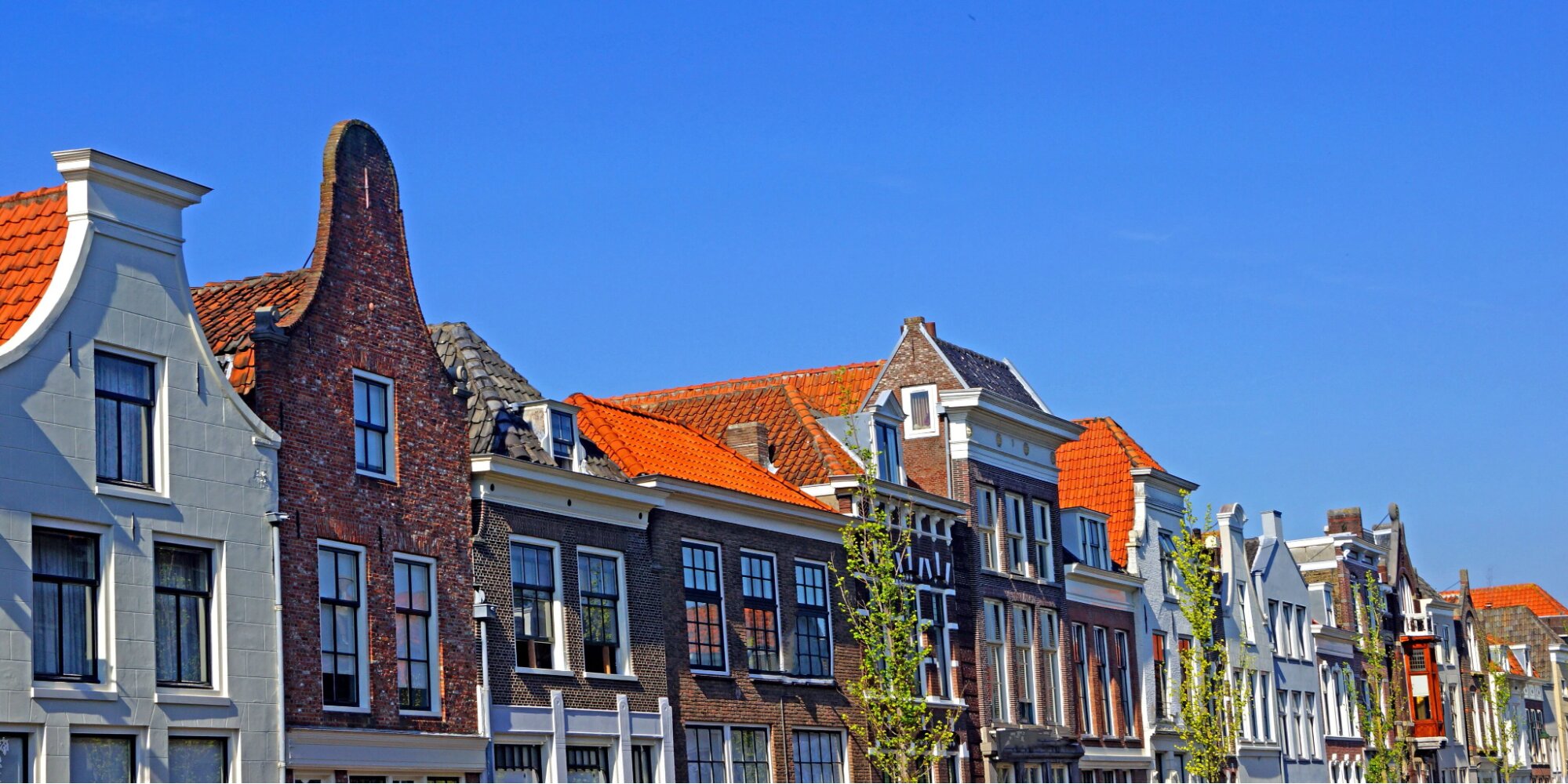
Tilburg doesn’t always get the spotlight in Dutch housing conversations, but for buyers who look beyond the usual cities, it often turns into a serious contender. Especially for people priced out of larger urban areas or seeking more space without leaving the city entirely, Tilburg offers a different buying experience, one that feels less frantic and more grounded.
That said, buying in Tilburg isn’t automatically “easy” or “cheap.” Like any city, it has its own dynamics, trade-offs, and realities that buyers should understand before committing. Knowing what actually defines the Tilburg market helps you decide whether it aligns with your plans and expectations.
Housing prices are lower, but differences within the city matter
Tilburg offers a significant price advantage, with average transaction prices sitting around €412,000 as of February 2026. This is a sharp contrast to Utrecht, where typical homes frequently exceed €550,000, or Eindhoven, where the tech-driven demand has pushed prices steadily higher.
However, price variations across the city mean that averages can be misleading for prospective buyers. Highly sought-after areas like the Piushaven or the Stadskern command premiums due to their unique character, while districts like Tilburg-Noord offer much more accessible entry points for those on a stricter budget.
Space is more attainable for families and first-time buyers
The primary appeal of the city is the ability to secure a family-sized home for the price of a small apartment in more central Dutch hubs. With an average price per square meter of approximately €4,098, Tilburg allows growing households to prioritize gardens and extra bedrooms without overextending.
This space-to-price ratio is a major factor in reducing the need for frequent moves as a family’s needs evolve. By being able to buy room to grow early on, you can focus on long-term community integration rather than constantly searching for the next step up the property ladder.
Competition exists, but pressure is lower than in larger cities
While the market remains tight, the bidding environment in Tilburg is generally less aggressive than in the "Big four" cities. Bidding wars still happen in popular segments, but they rarely reach the double-digit percentage spikes seen in Amsterdam or Utrecht.
This lower level of pressure gives you more time to conduct thorough research and make informed decisions without the immediate fear of losing out. A calmer buying process often leads to better long-term outcomes, as it allows for proper inspections and a clearer understanding of the property's value.
Neighborhood character shapes daily experience
Tilburg is a patchwork of distinct areas, ranging from the energetic, creative hub of the Spoorzone to the tranquil, green expanses of De Blaak. Understanding these local nuances is essential, as the atmosphere and noise levels can shift dramatically from one street to the next.
Choosing the right location often proves to be more important than the specific features of the house itself. Spending time in various neighborhoods during different times of the day will help you identify which local rhythm aligns most closely with your personal lifestyle and daily needs.
Older housing stock brings opportunity and responsibility
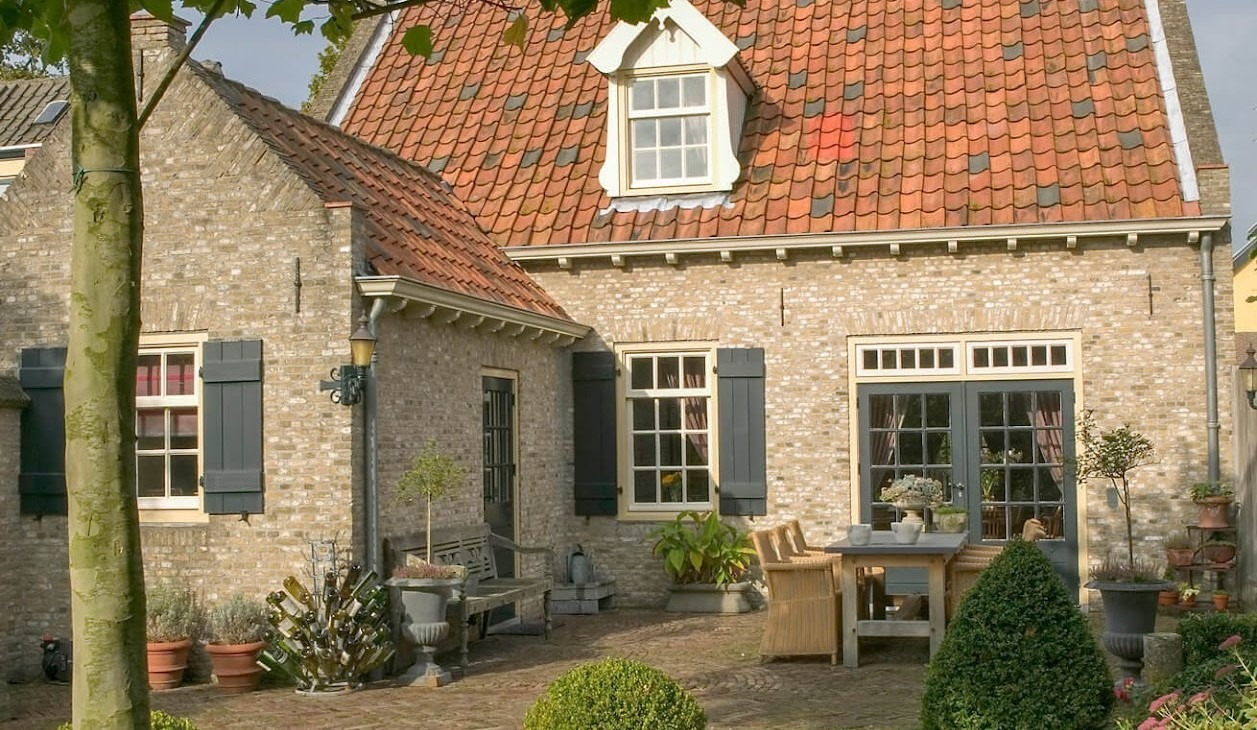
A significant portion of the Tilburg market consists of older homes, particularly in neighborhoods like Oud-Zuid and the Spoorzone. These properties often offer historic charm and solid foundations, but they also require a realistic approach to modern living standards.
Buyers in 2026 must account for the total cost of ownership, including essential maintenance and energy efficiency upgrades. While the initial purchase price might be lower, budgeting for insulation or new heating systems is necessary to ensure the home remains affordable and comfortable over the long term.
Newer developments offer predictability at the edges
Newer housing projects are increasingly moving toward the city’s fringes, offering modern layouts and high energy ratings. These homes are designed to meet the latest environmental standards, which typically results in lower monthly utility bills and minimal immediate repair costs.
The trade-off for this predictability is often a shift away from the bustling city center toward more suburban environments. For buyers who prioritize a "move-in ready" experience and long-term financial stability, these newer districts provide a reliable alternative to central renovations.
Tilburg works well for commuters, with planning
The city is strategically positioned to serve as a home base for those working in Eindhoven (21–26 minutes by train) or Breda (13–15 minutes). This connectivity allows you to benefit from Tilburg’s lower housing costs while maintaining access to high-level career opportunities in the surrounding region.
It is important to test your actual commute times realistically, especially during peak hours. Weighing the financial savings on your mortgage against the daily time spent traveling ensures that your choice supports both your career and your personal well-being.

Schools and family infrastructure influence demand
Family amenities are a major driver of property value in Tilburg, with the quality of local schools and sports clubs directly impacting neighborhood demand. Buyers with children often prioritize areas with established childcare facilities, as these features significantly support daily routines and long-term resale potential.
Aligning your home search with these local services ensures that your housing plan matches your family's actual needs over time. Neighborhoods that offer a high density of these amenities tend to maintain more stable prices, making them a safer choice for long-term investment.
Buying here can reduce financial stress if budgets are realistic
Lower entry prices in Tilburg significantly reduce the initial pressure on first-time buyers compared to the high-stakes bidding common in the Randstad. However, it is essential to maintain financial buffers for maintenance, especially as energy label standards become more strict and directly affect mortgage capacity.
Buying feels truly comfortable when it serves to lower your overall stress rather than simply reallocating it into renovation debts. Tilburg offers a more accessible path to ownership, but the responsibility of maintaining a property in an evolving market remains a central factor.
When Tilburg may not be the right choice
The city may not fulfill the requirements of those seeking high-prestige locations or an environment that is exclusively geared toward international professionals. Its primary strength is found in its local character and livability rather than in providing a nonstop, spectacle-driven urban experience.
Choosing this city should be an intentional decision based on a desire for balance and stability rather than a search for a shortcut to the big city lifestyle. Those who require constant cultural variety and a dense, global social pulse might find the city’s grounded rhythm to be a mismatch.
The Final Verdict
Buyers need to know that Tilburg offers opportunity, but not shortcuts. Homes are more affordable, space is realistic, and competition is calmer. In return, buyers choose a city that values practicality, stability, and long-term living over hype.
For those priorities, Tilburg can be a strong and sensible place to buy. Not because it promises everything, but because it offers enough room, calm, and affordability to build a life without constant pressure.


