February 8, 2026
What are the environmentally friendly forms of packaging?
15/12/2023
February 8, 2026
February 8, 2026

In the Netherlands in 2026, sustainability is no longer a buzzword, but an integral part of our daily activities. Moving has always been known for the enormous amount of waste it produces: rolls of plastic tape, meters of bubble wrap and stacks of single-use cardboard boxes that end up directly in the waste paper after the moving day. However, with growing awareness about the circular economy and stricter regulations in the field of waste management, the opportunities for a “green” move increased dramatically in 2026. Environmentally friendly packaging goes beyond just recycling cardboard; it's about minimizing the ecological footprint through reuse, biodegradable materials and smart logistics.
Opting for sustainable packaging options will be a powerful statement against the throwaway culture in 2026. In this article, we analyse the most effective and innovative environmentally-friendly alternatives to traditional moving materials.
Renting reusable plastic moving crates
The most significant shift in 2026 is the rise of the “box-as-a-service”. Instead of buying cardboard boxes that often tear or become weak after one go, consumers are opting en masse to rent sturdy, reusable crates made of recycled plastic.
These crates are delivered to your home and picked up again after the move. Designed to last hundreds of times, they are fully stackable and do not require tape because they have a foldable lid. From an ecological perspective, this process saves thousands of kilos of paper pulp and adhesives. In addition, they offer superior protection for your belongings against moisture and impacts, which is indirectly sustainable because fewer items that need to be replaced are damaged.
Biodegradable filler: Corn starch versus plastic
When packing fragile items such as dishes and glassware, filling material is essential. Where we used to use the infamous styrofoam “peanuts”, in 2026 we will use variants based on corn starch or potato starch.
These environmentally friendly pellets are fully compostable. After use, you can simply throw them in the organic waste bin or even dissolve them in water; they do not leave any toxic substances in the environment. Another sustainable alternative that will gain popularity in 2026 is “shredded cardboard”. This is cardboard waste that has been passed through a special machine to form a resilient, shock-absorbing mat. This material is 100% recyclable and uses existing waste streams.
Textiles and natural fibres as protection
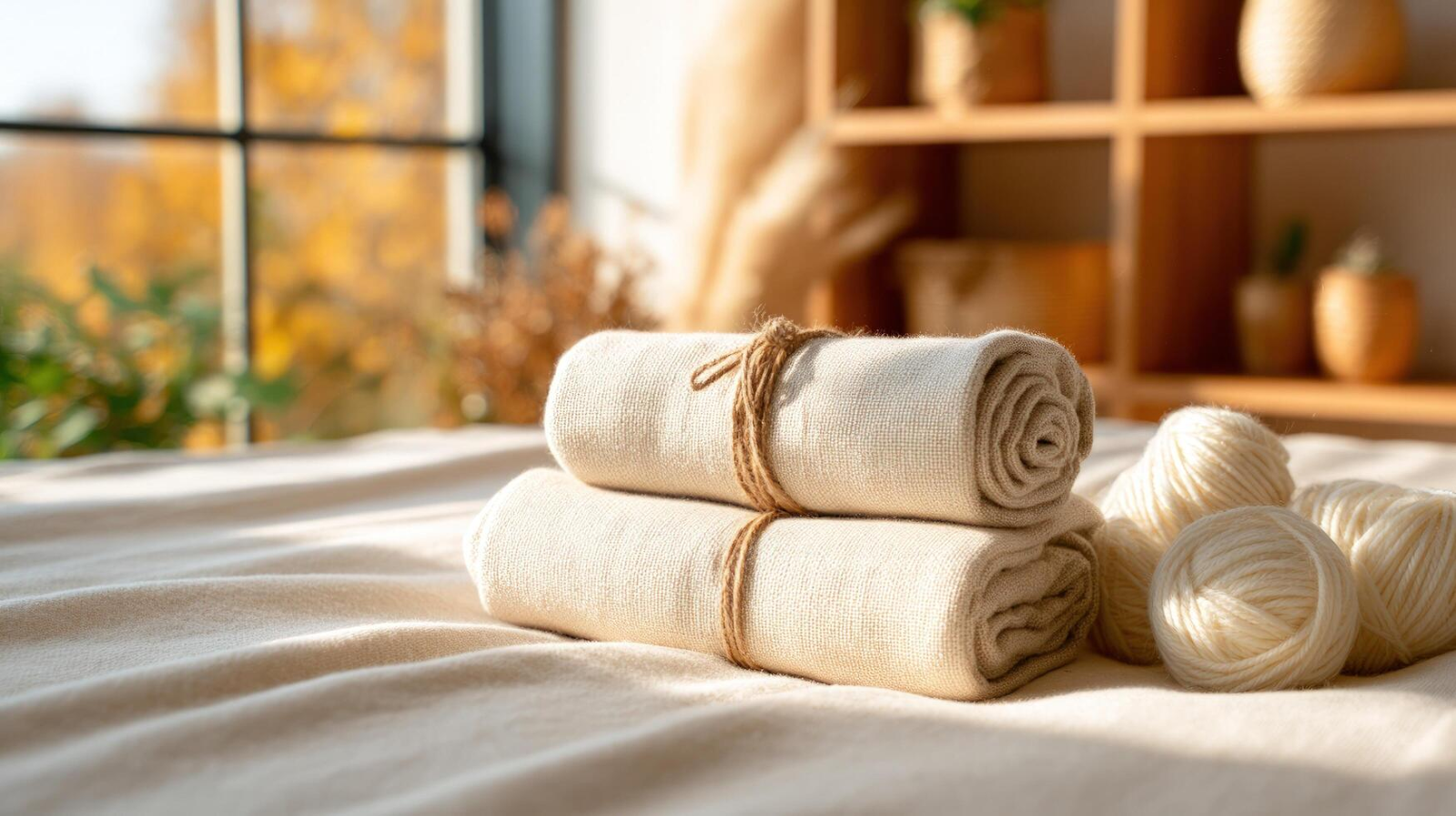
In 2026, we will rediscover the power of materials we already have at home. Why buy meters of new wrapping paper when your linen closet is full of usable protection?
Using towels, bed linen, pillowcases, and even thick sweaters to wrap fragile objects is the ultimate form of “zero waste”. It not only saves money and materials, but also space in the moving van, because you kill two birds with one stone: you pack your textiles and protect your dishes at the same time. For larger pieces of furniture, moving blankets made of recycled textile will be the standard in 2026. These blankets last for years and prevent the use of huge amounts of shrink wrap (plastic wrap) that would otherwise end up in the incinerator after the moving day.
Ecological tape and sustainable labels
An often forgotten source of environmental pollution when moving is the traditional PVC tape. The glue residue and plastic make it more difficult to recycle cardboard boxes. In 2026, paper tape (paper tape) with a natural rubber adhesive will be the norm for environmentally conscious movers.
This adhesive tape can be placed in the paper bin together with the cardboard box, because the adhesive is biodegradable and the paper carrier does not pollute the recycling stream. There are even variants that are activated by water (gummed paper tape), which provides an extremely strong connection without the use of synthetic substances. As for labeling, instead of plastic adhesive labels, chalk markers or biodegradable stickers will be used more often in 2026 to indicate the contents of the boxes.
Compostable bubble wrap and paper alternatives
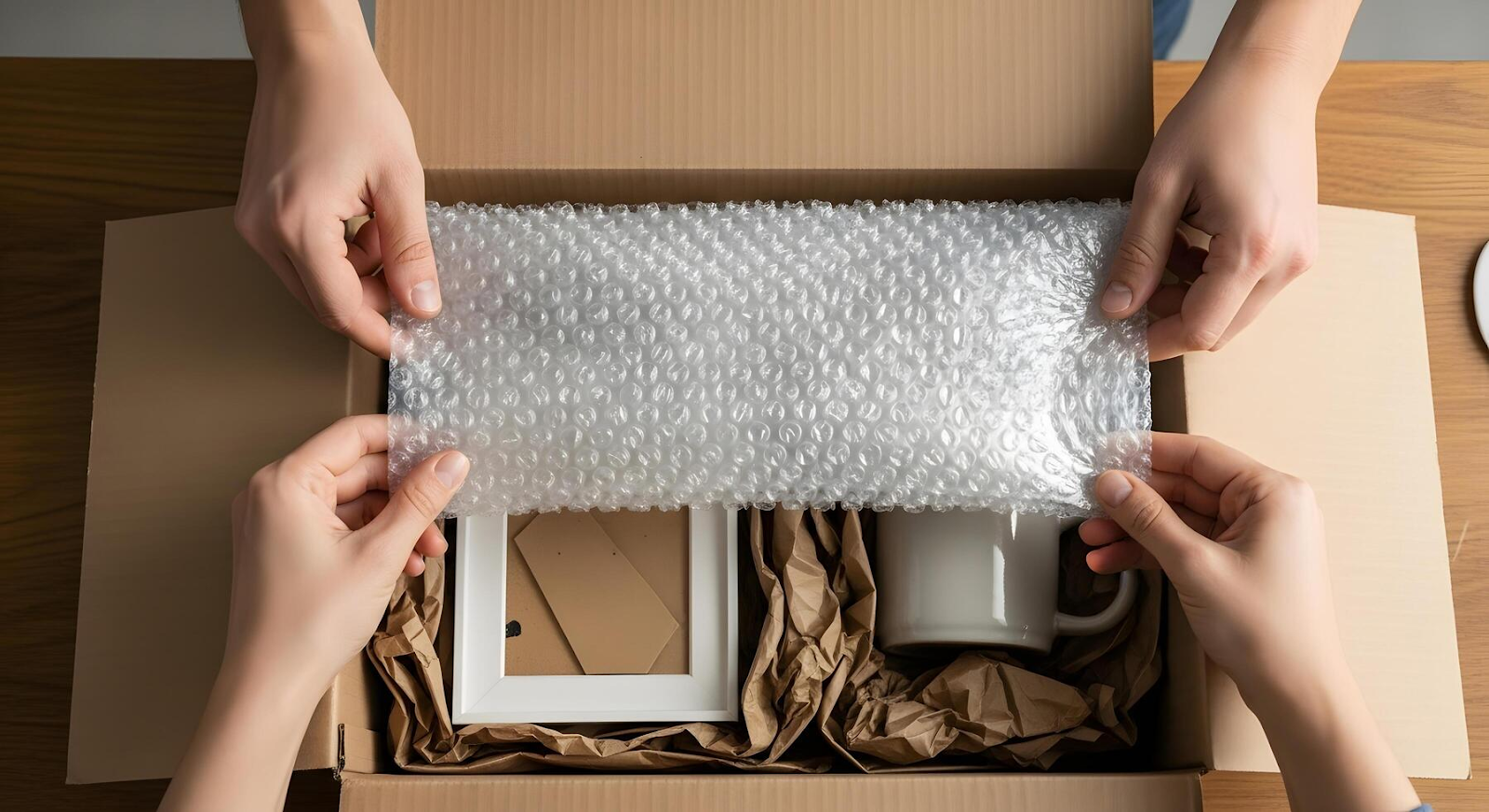
Although bubble wrap is effective, it is one of the least environmentally friendly products due to its petroleum base and low recyclability. In 2026, however, there was a breakthrough in compostable bubble wrap made from PLA (polylactic acid) based on sugar cane or corn.
An even greener alternative is “honeycomb paper”. This is a thick paper that, when stretched, forms a three-dimensional structure that absorbs shocks in the same way as plastic bubble wrap. It is flat when stored, which saves transport space, and can simply be disposed of with waste paper after use. It offers excellent protection for glassware and electronics without involving a single gram of plastic.
Circular cardboard boxes and the “Free box” community
If you do opt for cardboard boxes in 2026, look at the origin. “Virgin” cardboard is no longer the standard; we use boxes with a high percentage of “post-consumer” recycled material. In addition, a thriving community has been created around sharing moving boxes.
Through apps and local platforms, used boxes are offered free of charge by people who have just moved. This “second-life” model is the purest form of sustainability. A good quality moving box can easily last five to seven moves in 2026 before structural integrity decreases. By participating in this circular system, you reduce the demand for new production and help close the cycle.
Choosing environmentally friendly packaging in 2026 is a matter of planning and creativity. By combining reusable crates, natural filling materials and existing home textiles, you can move your belongings safely without leaving a trace of waste in your old or new neighborhood.