February 8, 2026
What actions can you take if your service charges increase unfairly?
18/1/2026
February 21, 2026
February 21, 2026

Service charge hikes often arrive quietly, folded into a monthly statement or explained with a brief note about rising costs. Unlike rent increases, they rarely come with clear rules that tenants recognize immediately. In the Netherlands, this ambiguity is what makes service charges so stressful. People are unsure whether the increase is justified, whether it can be challenged, or whether questioning it will damage the relationship with the landlord. Understanding how contesting works starts with understanding what service charges are supposed to represent.
Service charges reflect real costs instead of profit
Service charges are not arbitrary fees or hidden profit margins for your landlord. They are strictly intended to cover the actual costs of shared amenities like cleaning, hall lighting, and building management.
Contesting a hike begins with the understanding that these charges are cost-based. If your charges increase, the landlord must be able to prove that the underlying expense such as the price of a cleaning contract has risen accordingly.
Transparency is a legal expectation
You have a legal right to clear insight into how your service charges are calculated and spent. While a landlord isn't required to send every receipt automatically, they must make the underlying invoices available for your inspection if you ask.
Under the 2026 Service Costs Modernization Act, the rules for transparency have been strengthened to better protect tenants. When an increase arrives without a clear breakdown, that lack of transparency is your first signal that a formal inquiry is justified.
Advances and final settlements are different
Your monthly service charge is typically an "advance" payment based on an estimate of the year's total costs. At the end of the service year, the landlord must provide a final settlement that compares your total advances against the actual expenses incurred.
Contesting a hike often involves checking if your monthly advance has been set realistically compared to past years. If the final settlement shows the landlord spent significantly less than they collected, you are entitled to a refund of the difference. Landlords are expected to provide the final service charge settlement within six months of the end of the calendar year. When these adjustments arrive late, it can create significant financial uncertainty for tenants who have to budget for potential back-payments.
While a late settlement doesn't always make the charges invalid, it weakens the landlord's position if the delay is unreasonable. In 2026, the Rent Tribunal (Huurcommissie) can rule on the fairness of your advance payments even before the final statement is issued.
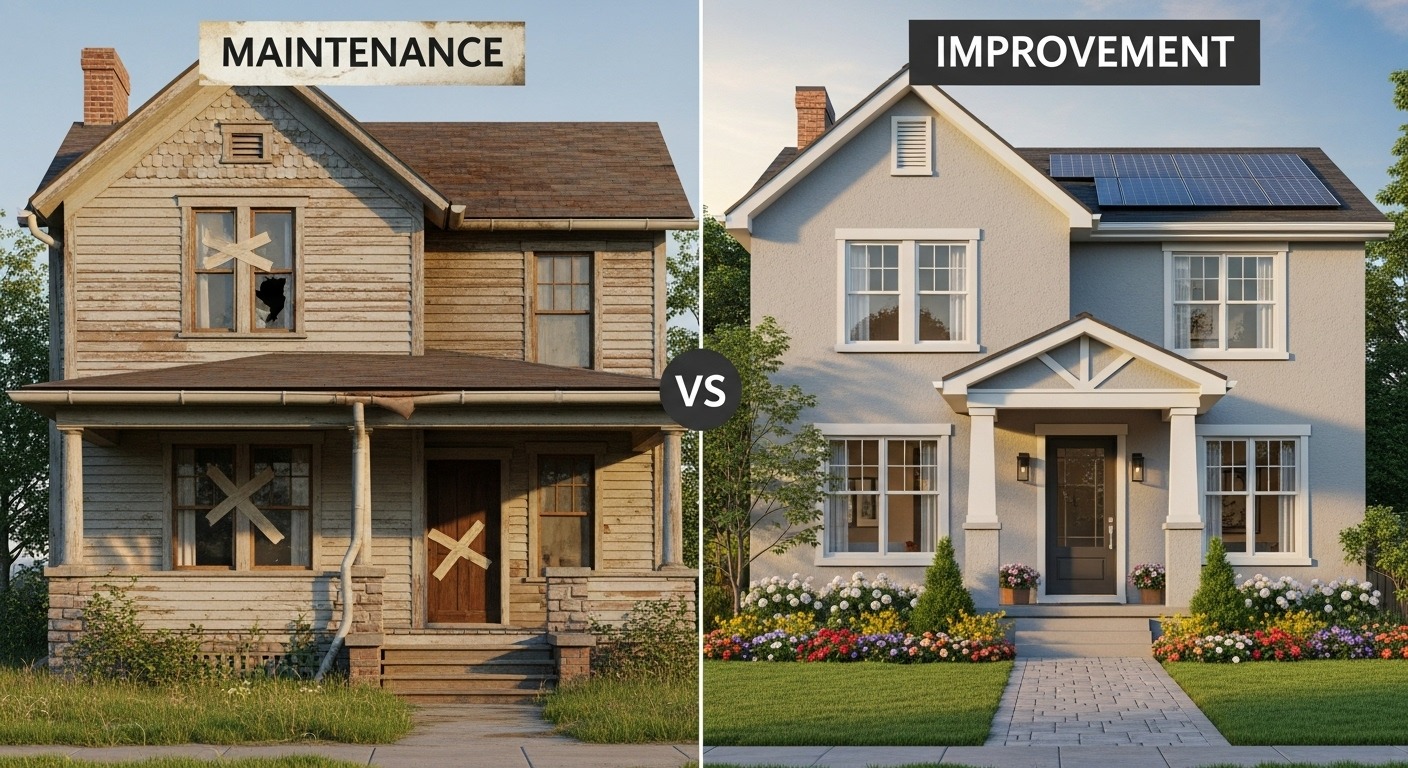
Maintenance versus improvement matters
Service charges should cover maintenance, not improvements. This distinction is often blurred. Replacing worn elements may be legitimate, but upgrading beyond maintenance raises questions about who should pay. When improvements are folded into service charges, tenants often end up funding long-term value rather than ongoing service. Contesting involves identifying whether costs reflect upkeep or enhancement.
Energy volatility creates confusion
Energy costs are a major driver of service charge fluctuations. Shared heating, lighting, or ventilation systems are affected by market changes. While increases may be real, they still need to be documented. Contesting does not mean denying higher energy prices; it means checking whether the increase matches actual consumption and pricing rather than assumptions.
Silence is often mistaken for agreement
Many service charge hikes go unchallenged because tenants remain silent. Landlords may interpret this silence as acceptance, even when confusion remains. Contesting does not require immediate refusal. It can begin with a request for clarification. This step alone often reveals whether the increase is solid or shaky.
Written communication slows escalation
Raising questions in writing creates structure. It documents concerns and invites explanation rather than confrontation. This approach aligns with how service charges are meant to be handled. Written communication turns emotional reaction into procedural review, which benefits both sides.
Short-term tenants feel more exposed
Tenants on short-term contracts often feel less secure challenging service charges. They worry about renewal or relationship strain. This vulnerability explains why questionable increases persist. Legally, contract length does not reduce the right to contest charges, but emotionally, it often does. Recognizing this gap helps tenants understand why the process feels risky even when it is allowed. Service charge disputes are less about argument and more about documentation. Statements, breakdowns, and comparisons to previous years provide context. Contesting becomes easier when patterns are visible. A sudden spike withouta clear cause stands out when viewed over time.
In buildings with multiple tenants, contesting together reduces individual pressure. Shared questions carry more weight and feel less confrontational. While not always possible, collective clarity often leads to quicker resolution because it signals that confusion is systemic rather than personal. When explanations remain insufficient, external review mechanisms exist to assess service charges objectively. These mechanisms focus on legality and reasonableness rather than relationships. Many tenants hesitate to take this step, but its existence shapes how seriously initial questions are taken.
Contesting is about accuracy, not accusation
Challenging a service charge hike does not accuse the landlord of bad faith. It questions whether numbers align with reality. Framing the issue this way keeps discussions grounded. The goal is correction or confirmation, not conflict. Service charge increases often feel personal because they affect monthly budgets directly and unpredictably. Unlike rent, they fluctuate and are harder to plan for. Contesting is as much about restoring predictability as it is about reducing cost.

Understanding limits prevents frustration
Not every increase in service charges is inherently unjustified, as many reflect real and unavoidable shifts in the costs of labor or energy. Contesting a hike does not guarantee a reduction in your monthly payment, but it does guarantee a formal review of the math.
Knowing this helps you manage your expectations and prevents disappointment if the outcome of the review is neutral. The goal is to ensure you are paying a fair price, even if that price happens to be higher than it was last year.
Contesting restores balance
Service charges often exist in a confusing gray area between your base rent and your utility bills, which can create a power imbalance. By questioning a hike, you restore balance to the relationship by reintroducing a level of transparency and landlord accountability.
Even when the final amount remains the same, the process of contesting often clarifies exactly how costs are shared across the building. This procedural fairness ensures that the landlord remains diligent and that you are not being treated as a passive source of extra revenue.
Clarity reduces ongoing stress
The greatest benefit of contesting a service charge hike is often the psychological clarity it provides rather than the financial savings. Understanding why your charges have changed and what services they specifically cover reduces the nagging anxiety of being overcharged.
In a housing system already filled with significant uncertainty, this clarity makes your monthly costs feel less arbitrary and far more manageable. When you understand the "why" behind the numbers, the financial obligation feels more like a shared responsibility than an unfair burden.