February 8, 2026
What disputes arise after a move?
30/11/2023
February 8, 2026
February 8, 2026

In the aftermath of a move, when the adrenaline of moving day has died down and the first boxes have been unpacked, legal and administrative reality often comes into play. In 2026, the housing market will be more complex than ever, and with rising costs for real estate and services, interests in disputes have also increased. A move marks the end of one contractual relationship and the beginning of another, creating countless contact moments where friction can arise. Whether it's property damage, a disagreement over the deposit or hidden defects in the new home: Disputes after a move can quickly overshadow the joy of a new beginning.
Understanding the most common points of conflict is essential for any consumer who wants to protect their rights. In this article, we analyze the main disputes that arise in 2026 after a move and how they are legally approached.
Property damage and liability of movers
The most common dispute after a move concerns material damage. Despite the professionalism of moving companies in 2026, things sometimes go wrong when loading, transporting or unloading. The conflict often arises about when the damage occurred and what the object's current value is.
In 2026, movers will work with strict general terms and conditions, often based on the trade association “Authorized Movers”. A crucial point of discussion is the burden of proof. If the damage was not reported immediately when unloading, a mover can argue that the damage occurred while unpacking by the customer himself. In addition, there is often disagreement about compensation: is the current value or the new value assumed? In 2026, many insurers will apply a limit where objects older than a certain number of years will fall significantly in value, which is often unacceptable for consumers for treasured assets.
Bail dispute (rental sector)
For tenants, repaying the deposit in 2026 is one of the biggest pain points. Landlords have become more critical of the condition of the home upon completion, partly due to the stricter regulations concerning good landlords. The conflict usually revolves around the distinction between “normal wear and tear” and “culpable damage”.
Common points of contention include:
- Cleaning costs: The landlord finds the house not clean enough and withholds a considerable amount of money for professional cleaning.
- Repairs: Filling holes in the walls or painting rooms that have not been returned to their original color.
- Wear and tear on floors and equipment: In 2026, there will be more discussions about the remaining lifespan of laminate or kitchen appliances.
Without a watertight inspection report (both at the start and at the end of the lease), these discussions in 2026 often resulted in lengthy proceedings before the Rent Committee or the Subdistrict Court.
Hidden defects in homes for sale
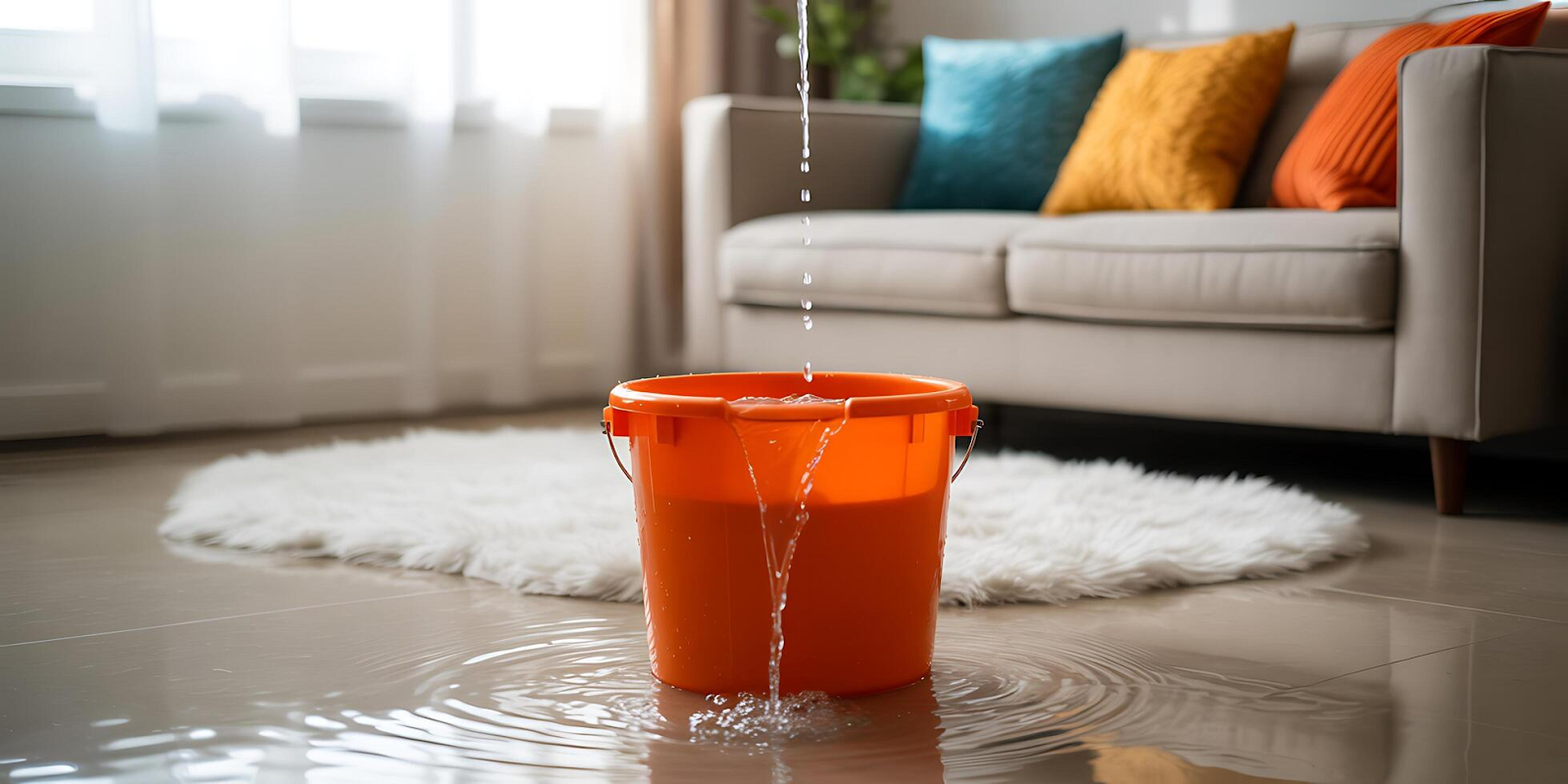
When purchasing a home in 2026, the seller's duty to notify and the buyer's duty to investigate apply. However, after moving, buyers sometimes come across things they did not foresee: a leak that only becomes visible after a heavy rain, rotten frames behind a fresh coat of paint, or a faulty heat pump that seemed to work during the viewing.
The legal battle after the move is then about whether the seller knew about the defect and deliberately concealed it. In 2026, showing bad faith will be complex, especially because many homes are sold “as is” or with an old age clause. Disputes about hidden defects often lead to expensive architectural expertise and legal processes to determine who should bear the repair costs. The line between a “setback” and a “legally culpable defect” is wafer-thin.
Disagreement about movable property
When selling a house, a list of things is drawn up: what is left behind and what does the seller take with him? In 2026, disputes regularly arise when buyers receive the key and discover that the seller has brought items that they considered part of the purchase.
This often includes items such as:
- Garden design: Separate planters, expensive plants or charging stations for electric cars.
- Lighting: Designer lights that have been replaced by simple fittings.
- Window decoration: Curtains or blinds that were made exactly to measure, but were brought by the seller anyway.
Because communication is often more difficult after the transfer, these minor irritations will quickly escalate into financial claims via purchasing agents in 2026.

Border disputes and nuisance with new neighbours
Not all disputes after a move are financial; some are socio-legal. When a new resident moves in in 2026, this can upset the existing balance in a street or flat. Conflicts about the exact fence, overhanging branches or the use of common areas often only come to light after the new owner begins to organize his territory.
In 2026, where we live closer together and the gardens are getting smaller, renovations immediately after moving often lead to disputes about noise pollution or damage to the neighbor's property caused by moving vans. The lack of a good relationship from day one can lead to years of neighborhood quarrels that sometimes even have to be resolved with neighborhood mediation or the courts.
Contract transfer issues
A modern dispute in 2026 concerns the transfer of smart technology and energy contracts. If a seller does not transfer or reset their accounts for the solar panels, the smart thermostat or the security system correctly, the buyer will not be able to operate the systems after the move.
In addition, disputes arise about the final settlement of utilities. If the meter readings are not recorded correctly on the day of the move, the buyer and seller may end up in a dispute over who is responsible for consumption during the transition period. In 2026, with high energy prices, these differences could reach hundreds of euros, leading to mutual accusations and red tape among energy suppliers.
Preventing disputes after the move starts with extremely accurate documentation and clear communication in the phases prior to the key transfer.