

February 8, 2026
Pet Stress During a Move: Causes and how to reduce It?
24/12/2023
February 8, 2026
February 8, 2026
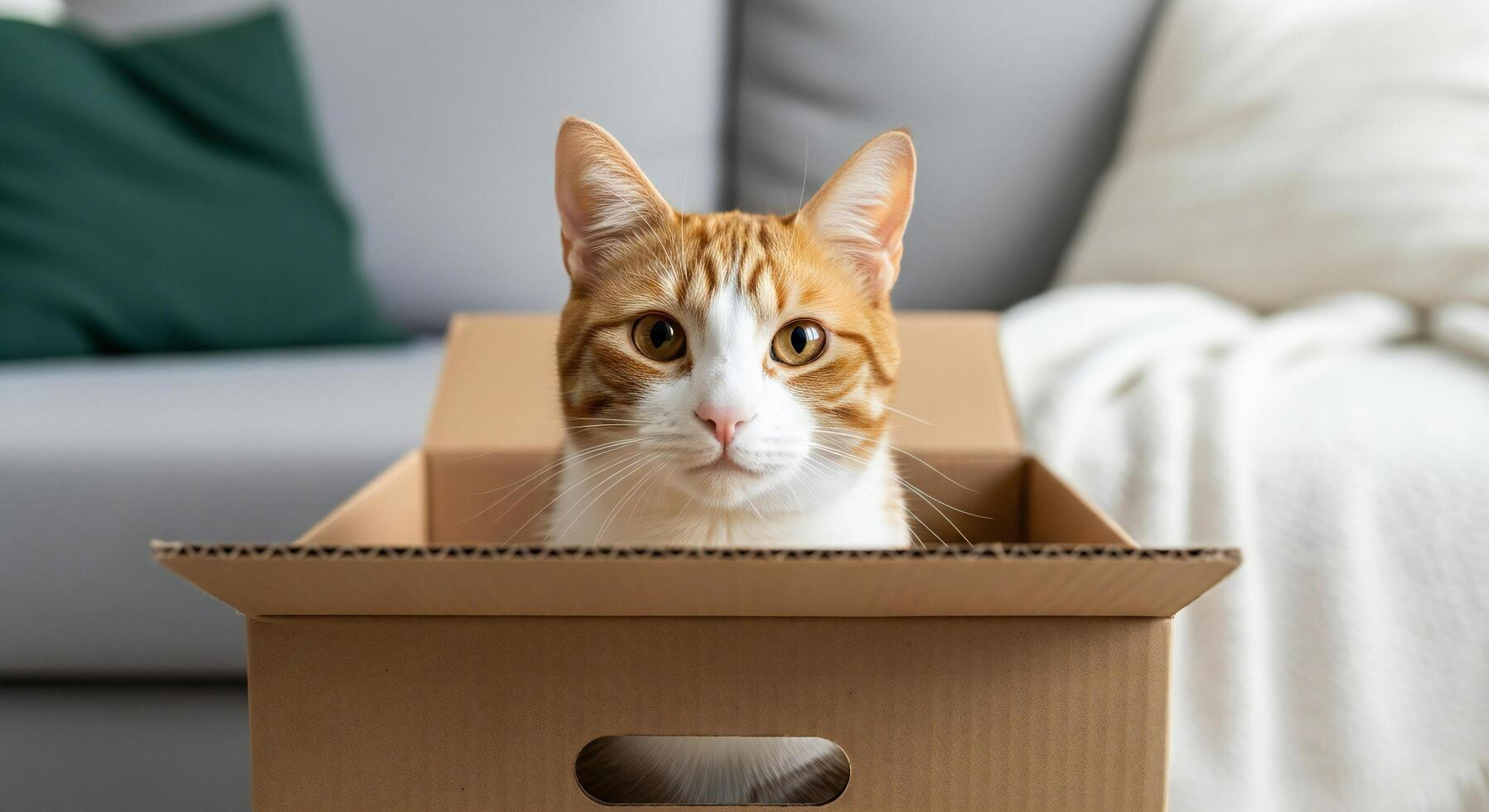
For people, moving is often seen as one of the most stressful events in life, but for our pets, the impact is often even greater. By 2026, we understand that dogs, cats, and other companion animals filter their world through smells, territories, and strict routines. When those stable factors disappear due to a move, an animal can end up in a state of acute confusion and anxiety. It is not only the physical movement that causes stress, but also the weeks of preparation in which boxes take over the house and the emotional tension of the owners is palpable.
Managing pet stress during the transition to a new home requires a proactive strategy that takes into account the specific needs of the species. In this article, we dive deep into the methods to emotionally and physically support your four-legged friends in 2026.
Recognize the signs of stress
The first step in reducing moving stress is recognizing the subtle signals that an animal gives off. In 2026, we will know that animal stress does not always result in noisy behavior; the internal symptoms are often more telling.
Dogs can suffer from excessive panting, polar bears, or ignoring commands that they normally follow immediately. Cats, on the other hand, tend to withdraw, eat less, or suddenly become unclean in places where this never happened before. Smaller pets such as rabbits and rodents are also extremely sensitive to vibrations and changes in air quality while working. By being alert to these behavioral changes in the weeks before the move, you can intervene in time with calming measures before the anxiety escalates to an uncontrollable level.
The preparation phase: Prevent a maze of boxes
In the weeks before moving, the familiar interior of your home turns into a warehouse. For a territorial animal like a cat, this feels like an invasion of their safe space. In 2026, behavioral experts advise not to bring boxes into your home all at once, but to do this gradually.
Place the moving boxes in the living room weeks in advance so that they take on the scent of the house. Let your pet explore the objects. Just use the boxes in the game; occasionally hide candy between the packaging materials. In this way, the boxes become a source of entertainment instead of a source of threat. Another crucial tip in 2026 is to pack your animal's favorite place to sleep and feed last. These objects are their “emotional anchors”. As long as their own bed is still in the familiar place, the basic safety for the animal remains largely intact.

Tools and technology in 2026
In 2026, veterinary science made major leaps in supporting animals during transitions. Today, pheromone technology is the gold standard for creating a calming atmosphere.
- Nebulizers: Use vaporizer units (such as Feliway for cats or Adaptil for dogs) in both the old and new homes. These distribute synthetic copies of comforting substances that are natural to the body that immediately calm the animal's nervous system.
- Smart Monitoring: In 2026, many owners will be using GPS and stress monitors on the collar. These sensors measure the animal's heart rate and activity, so you can immediately see whether your dog's stress level is rising dangerously high via an app on your phone while you're packing in the other room.
- Natural supplements: L-theanine or valerian products can, if consulted with a veterinarian, help to remove the sharp edges of anxiety without dazing the animal.
The day of the move: Exclusion as protection
On the day that the moving van is at the door, there is chaos. Strange people walk in and out, doors are open and heavy furniture is being towed. In 2026, the consensus is that the animal should be physically removed from this environment on this day.
The best option would be staying at a trusted boarding house or a nanny who knows the animal well. If this is not possible, design a “safe room” in the home. This is a room that is already empty and where the animal stays with all its familiar belongings. Hang a large sign on the door so that movers do not enter the room. By keeping the animal away from the visual and auditory stimuli of the move, you prevent them from panicking and possibly escaping through an open door, one of the biggest risks on moving days in 2026.
The trip to the new address
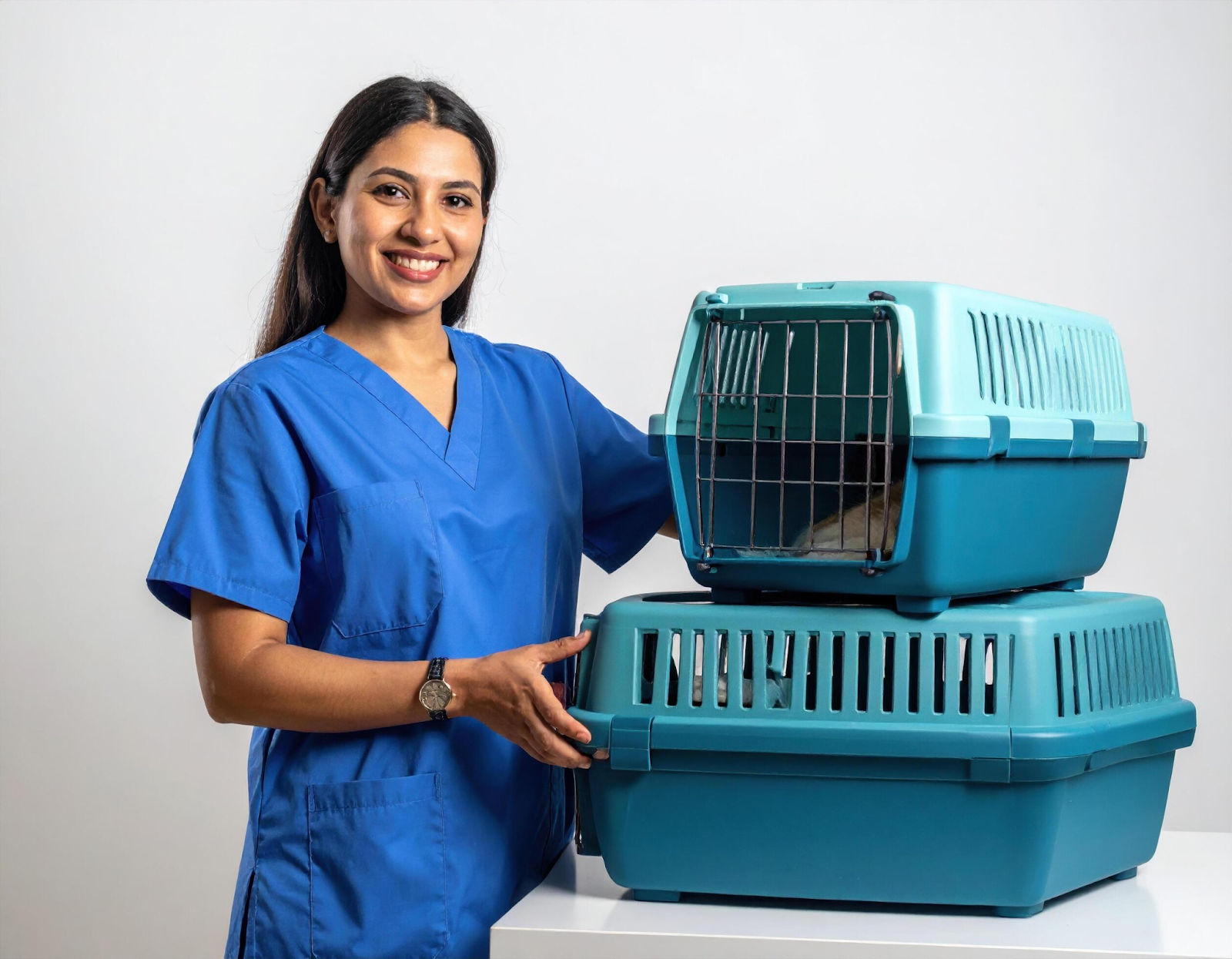
Transport is the low point of the experience for many animals. Whether it's a short trip around town or a long trip abroad, the limited space of a bench combined with the movement of the vehicle causes discomfort.
Make sure that the travel basket or bench has become a positive place in the weeks before the move by serving meals in it. In 2026, we will see that owners will more often use weighted dog blankets during the ride, which provides a sense of security. Don't stop more often than necessary along the way, but make sure you have adequate ventilation and fresh water. For cats, it is essential that the carrier is covered with a cloth that bears the scent of the old house; limiting the visual stimuli of the world rushing by helps them stay stable during the transition.
Integration into the new home
Once we arrive at the new home in 2026, the process of territory building will begin again. Don't force your pet to explore the entire house right away. The smell of new paint, cleaning products and previous occupants can be overwhelming.
Start in one room that's fully furnished with their familiar furnishings and fragrances. Let them get used to this for at least 24 to 48 hours before they get access to the rest of the home. For dogs, it is important to explore the garden and the immediate street directly on a leash, so that they learn the boundaries of their new territory. Cats often have to stay indoors longer (at least 4 to 6 weeks) to prevent them from trying to walk back to their old home. The gradual introduction of new spaces ensures that the animal feels like a master of the environment instead of being a victim of change.


