February 7, 2026
How well connected are the neighborhoods in Nijmegen?
21/2/2023
February 7, 2026
February 7, 2026

Nijmegen, the oldest city in the Netherlands, will face a major logistical challenge in 2026. With a growing population that is creeping towards 200,000, the pressure on the infrastructure is greater than ever. Nevertheless, the city succeeds in connecting its neighborhoods in an innovative way. Whether you live in the historic lower city, in the modern Waalsprong, or in the sprawling Dukenburg: the focus in 2026 will be on sustainability, speed and bypassing the traditional arteries.
In this article, we investigate the connections of the most important Nijmegen districts via public transport, the famous fast bike routes and the latest infrastructural developments.
The big update: Public transport in 2026
June 2026 marks a historic moment for Nijmegen travellers. Breng's familiar blue buses make way for the new RRReis brand, managed by carrier Transdev. This transition is more than just a new color on the bus; it is a complete overhaul of the network.
- Better neighborhood connections: Previously, almost all lines via Nijmegen ran centrally, which often caused delays. In 2026, the interconnections between neighborhoods were strengthened. For example, there are direct lines between the Sint Maarten Clinic, campus heyendaal and P+R West, allowing travelers to avoid the hustle and bustle around the station.
- Higher frequencies: Popular city lines, such as lines 2 and 5, have increased their frequency. Even on Sundays, these buses now run every 15 to 16 minutes. Line 6 even runs every 10 minutes during peak hours, which significantly lowers the threshold for leaving the car behind.
- Nachtnet is back: After years of absence, the night buses return permanently on Saturday night. Seven different night lines connect the entertainment center with surrounding neighborhoods and villages such as Druten and Arnhem.
De Waalsprong: Connected across the Waal
Nijmegen's largest extension is located on the north side of the Waal. In 2026, De Waalsprong (with neighborhoods such as lent and oosterhout) will no longer be an 'island', but an integral part of the city.
- Multimodal hubs: Mobility hubs have been set up around Lent Station where travelers seamlessly switch from the train to shared bicycles or electric scooters. This “last mile” concept is crucial for neighborhoods that are further away from the station.
- The crossing and the Waal Bridge: While the Waal Bridge remains the historic connection, the side channel near the Spiegelwaal has provided new walking and cycling routes that connect the northern neighborhoods directly to the city center.
- North bus connections: The lines between oosterhout and the center will be better spread out in 2026. Where previously buses often ran in close succession, a new timetable now ensures a constant flow to the station and campus.
Bicycle City 2026: Fast cycling routes as a lifeline
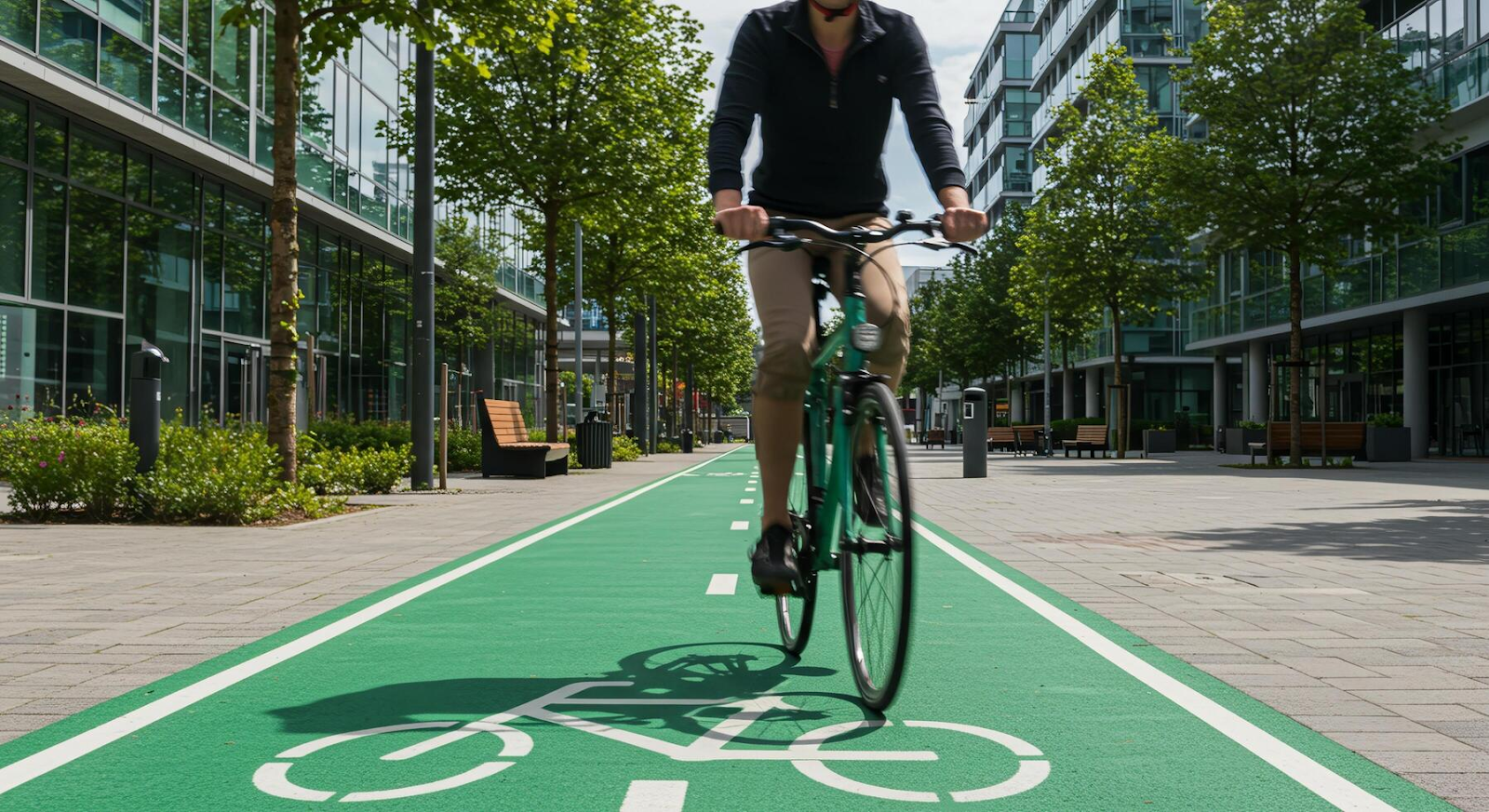
Nijmegen is a serious candidate for the title “Bicycle Municipality 2026”, thanks to investments in fast cycling routes. These paths form the backbone of the connection between the suburbs and major work locations.
- The RijnWaalPad and VeluweWaalpad: The connection to Arnhem is legendary, but in 2026, hard work will also be carried out on the VeluweWaalpad. This new fast bike path connects new residential areas directly to work locations, with a new bicycle bridge near Arnhem drastically reducing the travel time.
- Nijmegen - Wijchen: The fast bike route between the center and Wijchen via Dukenburg has now been fully paved and optimized. With wide lanes and priority for cyclists at almost all intersections, the bike is often faster than the bus or car here.
- Campus connection: For students and staff of Radboud University and HAN, “bicycle corridors” have been built that lead directly to heyendaal from all over the world (Dukenburg, Hatert and Nijmegen-Oost).
Heyendaal and Dukenburg: Investing in capacity
Two of the most important hubs in the city, Heyendaal (education/care) and Dukenburg (living/shopping), received a capacity boost in 2026.
- Campus Travel: To accommodate the huge flow of travelers to the university, extra long 25-meter buses will be deployed in 2026. These buses have five doors, so that getting in and out is faster and the buses can run more frequently.
- Nijmegen station: Although the complete renovation of the main station is scheduled for 2028, preparations are underway in 2026. A new western entrance should improve access to the neighborhoods in West and the new residential areas around the station.
- P+R Nijmegen west: This transferium at Lindenholt will finally be fully connected in 2026. Renters and commuters can take the bus here up to 10 times per hour to the center, which has reduced the journey time by an average of 14 minutes.
Future perspective: Shared mobility and the 30 km zone
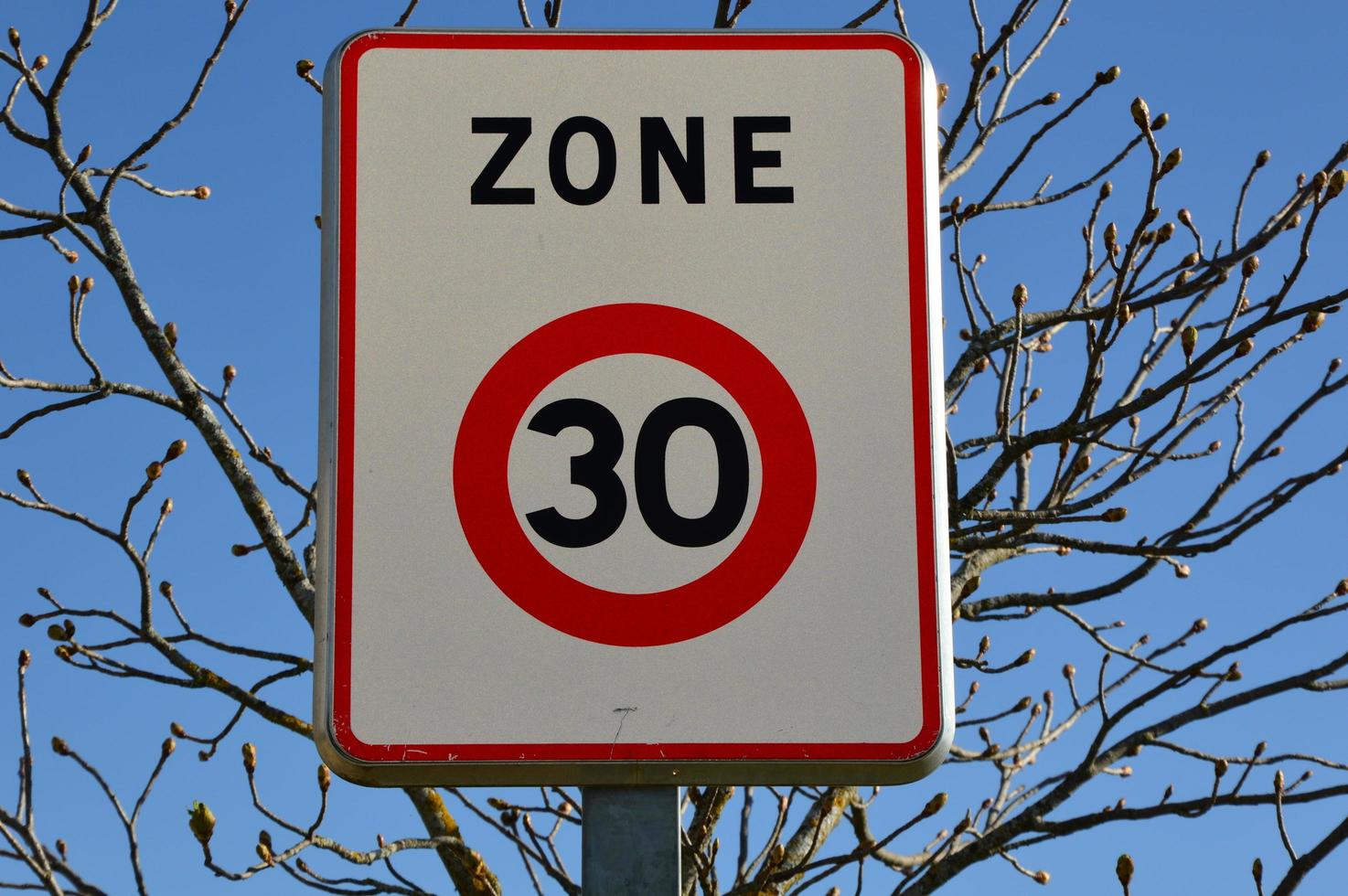
The municipality of Nijmegen is committed to a “car-free” future. In many neighborhoods, the speed limit was lowered to 30 km/h in 2026, which not only increases safety, but also promotes the flow of buses and cyclists.
The introduction of large-scale shared transport (cars, bicycles and scooters) via neighborhood hubs ensures that residents of neighborhoods such as Bottendaal and the Schildersbuurt are less dependent on their own parking space. This creates more space for greenery and social interaction in the street, while maintaining connectivity via digital apps.
In 2026, Nijmegen will prove that a historic city doesn't have to get stuck. By giving absolute priority to bicycles and public transport, the neighborhoods are better connected than ever before. Whether you choose the fast bike lanes or the new, comfortable electric buses, the city is small enough to have everything close by, but big enough to always keep moving.