February 8, 2026
How to register an address as a newcomer?
22/9/2025
February 20, 2026
February 20, 2026

Registering your address in the Netherlands is one of those steps that sounds simple until you actually try to do it. During the housing search, it feels abstract, something administrative that can wait until you are settled. In reality, address registration sits at the center of daily life much more than people expect. Banking, healthcare, employment, and even phone contracts quietly assume it is already done. For newcomers, the difficulty is not the registration itself, but how tightly it is woven into everything else that is happening at the same time.
Registration is tied to living somewhere officially
Address registration is not about confirming where you sleep; it is about formally entering the system at a specific location. The municipality needs to know where you reside in order to connect you to services and records. This makes registration feel heavier than a simple form. For newcomers, the pressure comes from realizing that many other processes remain provisional until registration is completed.
Housing must be secured before registration
You cannot register an address without having a place to register at. This sounds obvious, but it creates a practical bottleneck. Newcomers often stay in temporary accommodation, hotels, or short-term rentals that do not allow registration. Until a rental contract that permits registration is in place, the process cannot move forward. This is why address registration often happens later than people expect, even when they are eager to complete it.
Registration depends on documentation being complete
Municipal registration requires specific documents, and these are closely linked to immigration status. Proof of identity, residence permits, and housing contracts all need to align. For newcomers, these documents are often issued at different times by different authorities. The challenge is not complexity, but coordination. When one document is delayed, the entire registration process pauses, which can feel frustrating when everything else is already in motion.
Registering an address usually involves an appointment with the municipality. Appointment availability varies, and waiting times can stretch longer than expected, especially in larger cities. This introduces a delay that is outside the newcomer’s control. Even when all documents are ready, the process moves at the pace of available slots, which adds to the sense that progress is slower than it should be.
Temporary solutions create uncertainty
Some newcomers rely on provisional arrangements while waiting to register. Using a friend’s address, delaying certain services, or relying on international accounts can temporarily bridge the gap. These solutions work on paper, but they often feel unstable. Life remains partially paused until registration is completed, which adds mental pressure even when day-to-day needs are technically met.
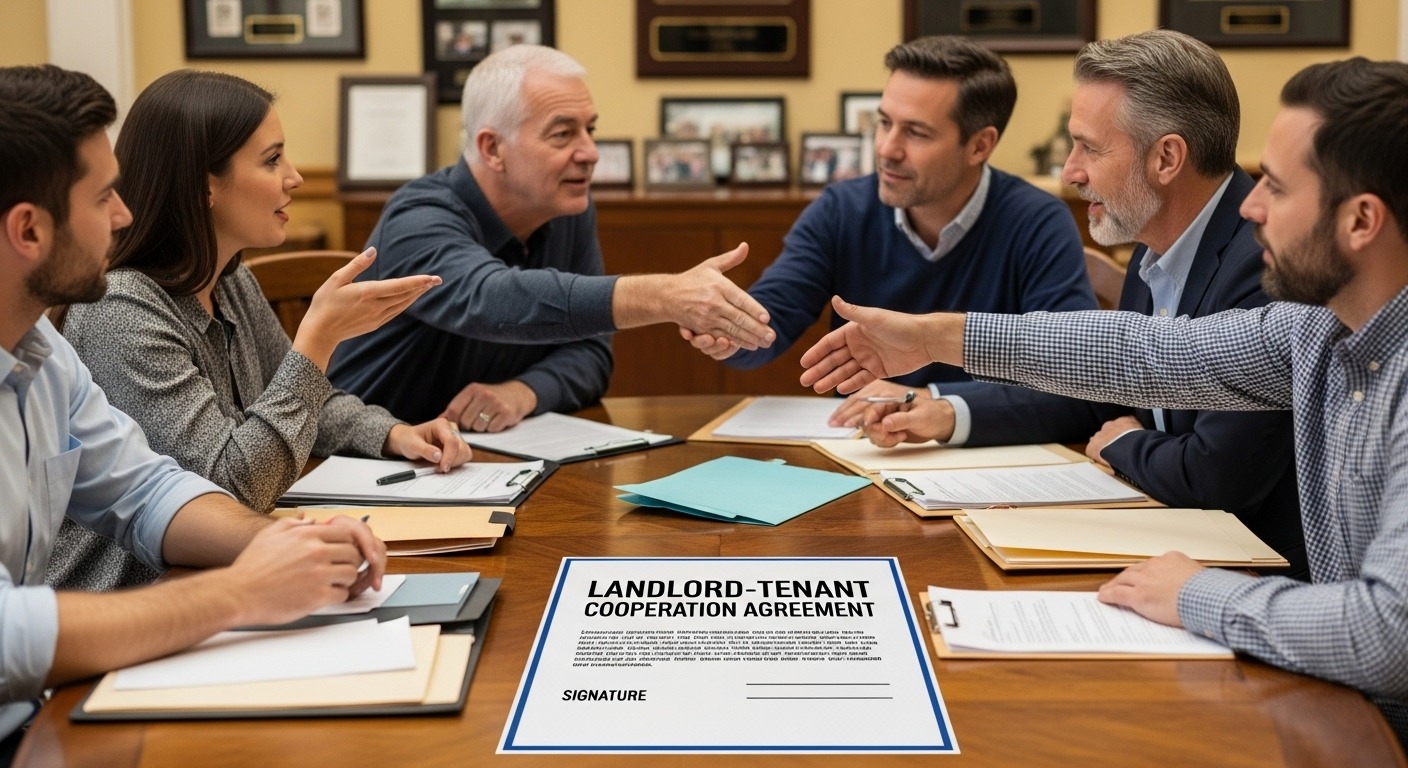
Address registration requires confirmation that you are allowed to live at the property. Most standard rental contracts allow this, but clarity is essential. When landlords hesitate or communication is unclear, registration becomes stressful. For newcomers, this can be confusing, especially when renting norms differ from those in other countries. The process relies on alignment between the tenant, the landlord, and the municipality.
Registration unlocks other systems
Once an address is registered, many other processes suddenly become easier. Bank accounts can be fully activated, health insurance can be finalized, and official correspondence begins to arrive reliably. The contrast is striking. Tasks that previously felt blocked or temporary resolve quickly, which highlights how central registration is to settling in.
Delays feel heavier because everything depends on it
Registration delays are frustrating not because the step itself is difficult, but because so much depends on it. Newcomers often feel stuck in a holding pattern, unable to fully settle or plan. This feeling intensifies when combined with starting work, adjusting to a new environment, and managing housing costs. The weight comes from overlap, not from any single requirement.
Expectations are shaped by other systems
Many newcomers arrive with expectations based on systems where address registration is informal or automatic. When the Dutch system requires appointments and formal verification, it feels slower than expected. The mismatch between expectation and reality creates frustration, even when the process is functioning as designed.
Being registered provides a sense of legitimacy. It confirms that you are officially part of the system, rather than temporarily passing through it. Until that point, many newcomers feel hesitant about making longer-term decisions, even small ones. The psychological effect of registration is often underestimated, but it plays a real role in how settled people feel.
Mistakes take time to correct
If errors occur during registration, correcting them can take time. Incorrect spellings, missing documents, or unclear addresses require follow-up appointments or additional paperwork. These delays compound the initial wait and can feel discouraging, especially when other tasks are already piling up.
Each municipality manages registration slightly differently. Procedures, appointment availability, and communication styles vary. Advice from others may not apply exactly to your situation, even if they registered recently in another city. This local variation contributes to confusion and makes the process feel unpredictable for newcomers.

The process feels harder because it is foundational
Address registration feels heavy because it sits at the foundation of daily life. Until it is completed, everything else feels provisional. This does not mean the system is intentionally difficult, but it does mean that timing matters more than people expect.
Registering an address is less about paperwork and more about transition. It marks the shift from temporary presence to official residence. When seen this way, the delays and dependencies make more sense, even if they remain inconvenient. The step carries weight because it signals stability within the system.
Completion brings a sense of arrival
Once registration is done, life tends to move forward quickly. The stress that surrounded the process fades, replaced by routines and predictability. Looking back, many newcomers realize that the difficulty was concentrated in a short window rather than spread across their entire experience. Understanding this does not speed up registration, but it does make the waiting period easier to endure.
Address registration is one of the first moments where newcomers are formally recognized within Dutch systems. It does not solve every challenge, but it removes a major source of uncertainty. In a transition already filled with unknowns, that recognition often brings a quiet but significant sense of relief.