February 8, 2026
How to disassemble furniture safely?
18/11/2023
February 8, 2026
February 8, 2026

In the dynamic housing market of 2026, there is a good chance that you will move more often than previous generations. Whether it's a designer cabinet from a well-known furniture giant or a robust heirloom, disassembling furniture safely is an essential skill for transporting your belongings to a new location without damage. Many pieces of furniture are not designed to be disassembled repeatedly; the joints of chipboard and MDF can irreparably damage if handled improperly. In 2026, where sustainability and the preservation of quality goods are key, hasty dismantling is a costly mistake that can easily be prevented with the right preparation and technology.
The process of dismantling requires more than just a screwdriver. It requires a systematic approach where documentation, the right tools and physical safety go hand in hand. In this article, we will analyze the best methods to disassemble ji furniture without compromising the integrity of the structure.
Preparation: Documentation is key
The biggest mistake people make when dismantling in 2026 is overestimating their own memory. A cabinet that looks logical when disassembled can prove to be an unsolvable puzzle when reconstructed three days later.
- Take photos: Use your smartphone to take pictures of the connections, the hinges and the order of the panels from any angle.
- Label each component: Use masking tape and a marker to number each panel (e.g. “Left Side 1", “Shelf B-Top”). Stick the tape in an inconspicuous area.
- Digital manuals: In 2026, almost all manuals will be available online as PDF. Pre-download them; they often include specific instructions for the order of disassembly that ensure frame stability while you work.
Organizing small parts
Nothing is more frustrating than arriving at your new address and discovering that you're missing one essential eccentric screw or dowel. Losing hardware is the number one reason why furniture becomes unstable after moving.
Use the “pouch method”. For each piece of furniture that you dismantle, use a separate, resealable plastic bag for screws, nuts, bolts and rings. Write the name of the furniture on the bag with a waterproof marker. A professional tip for 2026 is to then stick this bag to one of the larger panels of the same piece of furniture with sturdy tape. This way, the screws and the wooden parts always stay together during transport and storage.
Tools and technology
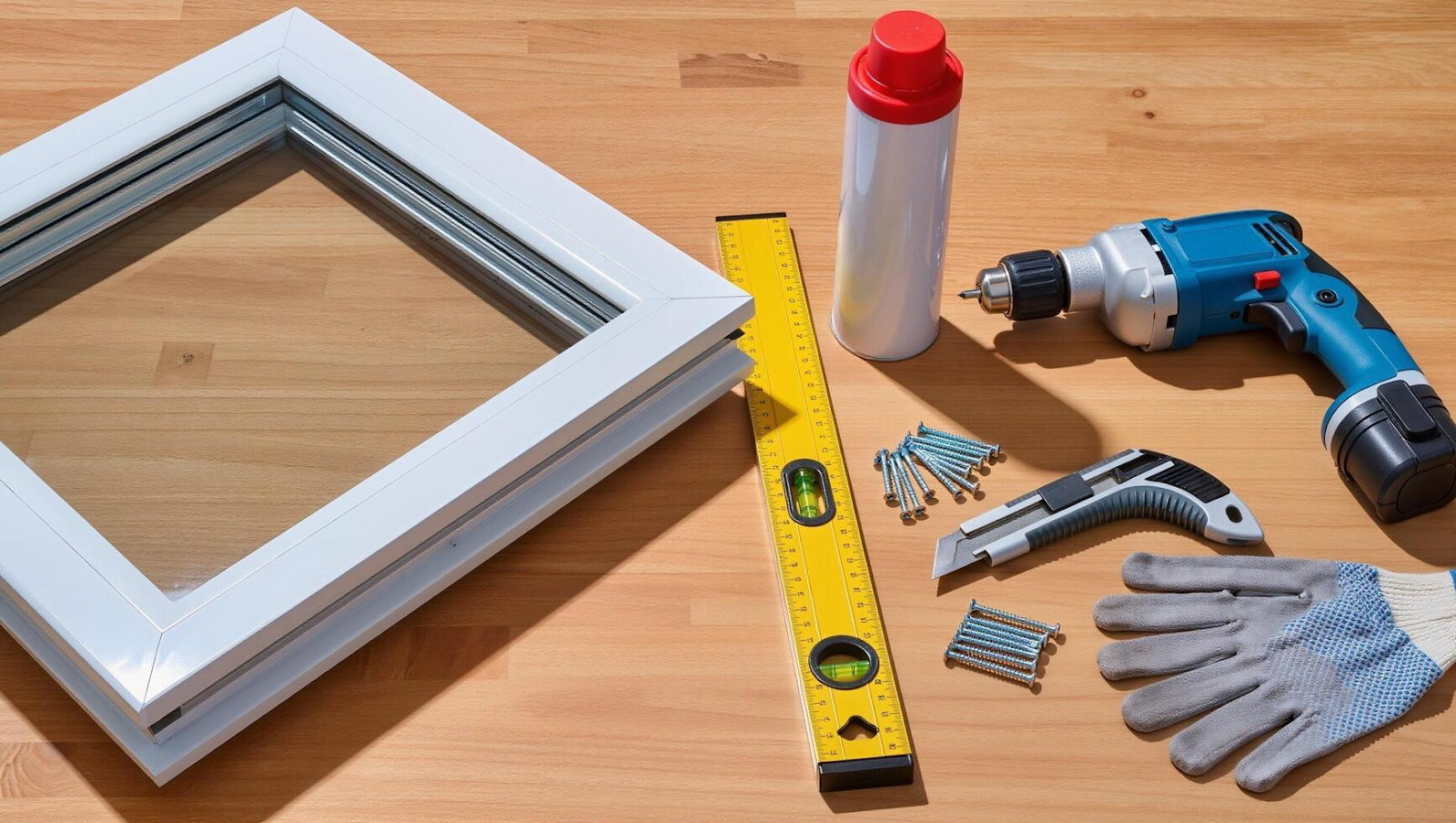
In 2026, power tools will be more powerful than ever, but care must be taken when dismantling. Too much force can “screw holes” in chipboard, causing the screw to lose grip when assembled.
- Manually where possible: For final strokes or sensitive materials, use a manual screwdriver with the exact right head (Pozidriv vs. Philips makes a big difference).
- Rubber hammer: A rubber hammer is indispensable for loosening wooden connections or dowels that are stuck. This allows you to give dosed taps without denting the surface of the wood or damaging the paint.
- Leave the dowels in place: If wooden dowels are firmly glued, do not attempt to remove them with pliers. There is a good chance that they will break down. Leave them in place and protect them with bubble wrap, or only cut them off if there's really no other way to transport them.
Physical safety and surface protection
Disassembling furniture is a physical task that often involves working in uncomfortable positions. In 2026, more attention will be paid to ergonomics while working.
Never work alone on large objects such as wardrobes or bed frames. When you remove the last load-bearing screws, a heavy panel can suddenly fall over. Not only is this dangerous for yourself, but the fall can also tear the connection points out of the wood. Make sure you have a soft surface; place moving blankets or the cardboard of your moving boxes on the floor. This prevents scratches on both your furniture and the floor of your current home. When dismantling glass panels or mirrors from cabinets, wearing work gloves by 2026 is an absolute safety requirement.
Strategic order: Top to bottom
The stability of a piece of furniture depends on the order in which the forces are distributed. A common mistake is removing the back wall at the beginning of the process. In most modern furniture, the thin back wall is precisely the element that prevents the cabinet from folding sideways (skidding).
The correct order is usually:
- Remove loose elements such as shelves and drawers.
- Disassemble the doors (unscrew the hinges from the side wall).
- If possible, lay the cabinet flat on its front on blankets.
- Only now remove the back wall.
- Unscrew the main connections of the frame.
By following this order, you minimize the stress on the corner joints and prevent the frame from deforming while you are still screwing.
Protection during transport after dismantling
Once the furniture has been safely disassembled, the process is not complete. Disassembled panels are vulnerable, especially the corners and the protruding edges.
Use stretch film and foam corner protectors in 2026. Wrap panels in pairs with the 'nice' sides together, with a layer of soft material (such as a sheet or thin foam) in between. Pay extra attention to outstanding hardware that you were unable to remove; it may scratch other panels in the moving van. By re-labeling each package of panels immediately, you save valuable time upon arrival. A piece of furniture that is safely dismantled is the basis for a sustainable interior that can last many more moves.