February 7, 2026
How student-friendly is Wageningen?
18/1/2025
February 20, 2026
February 20, 2026
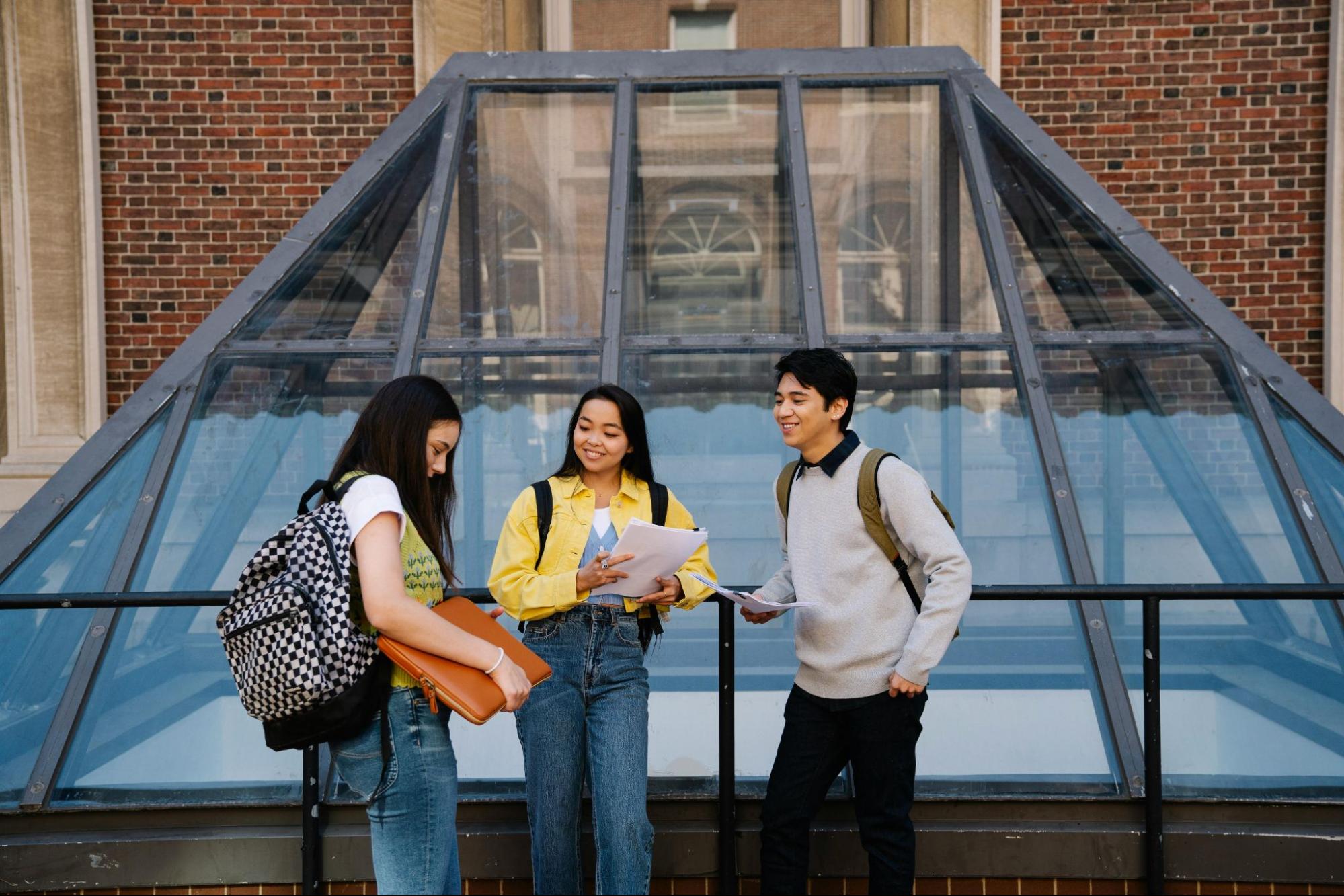
Wageningen is often described as a true student town, not just a city with students, but one that actively revolves around them. For many students, especially internationals, Wageningen feels immediately navigable, social, and supportive. That reputation isn’t accidental. It’s shaped by the city’s scale, its academic focus, and the degree to which daily life is tied to the university community. How student-friendly Wageningen feels depends on what you expect from student life. If you value connection, simplicity, and a strong academic-social balance, the city consistently delivers.
University academic rhythm
Wageningen University & Research (WUR) serves as the undisputed heart of the city, with academic schedules dictating the daily pulse. In 2026, the campus functions as a living lab where research and student life are seamlessly interwoven into the urban fabric.
Integration for newcomers is exceptionally smooth because the city moves in lockstep with the academic calendar. This shared timing creates a predictable environment where local services and transport lines are optimized for the student experience.
Manageable compact scale
The 15-minute city concept is a functional reality in Wageningen, where the campus, housing, and historic center are all reachable within a short bike ride. This compact geographic scale eliminates the need for expensive transport and supports a healthy lifestyle.
The small footprint fosters a high degree of spontaneity for residents and students alike. Whether heading to a late-night study session or meeting friends at the Grote Markt, the short distances ensure that social life is never far away.
Integrated housing structure
Student housing remains a critical focus in 2026, with units dotted throughout the city rather than being pushed to the outskirts. Large complexes like Bornsesteeg coexist with smaller shared houses in the historic center to maintain a balanced population.
While the market remains competitive during peak intake months, the system is highly structured through central registration platforms. Students are encouraged to build seniority early to secure desirable spots near the campus or the vibrant city center.
International support network
With a significant portion of the student body coming from abroad, Wageningen is one of the most international environments in the Netherlands. English is effectively the second language of the city, which drastically reduces cultural barriers for the many represented nationalities.
Specific support organizations provide a dedicated platform for international students to navigate Dutch life and build connections. This robust network ensures that those moving from thousands of miles away can find a sense of belonging within weeks.

Community focused socializing
Socializing in Wageningen is characterized by familiarity and genuine connection rather than the anonymity of large-scale clubs. The scene is defined by student associations and cozy local pubs that encourage meaningful interaction among peers.
This small town structure makes it easy to build a lasting professional and personal network. In 2026, the focus remains on inclusivity, where the modest scale of nightlife is balanced by the depth of bonds formed in study groups.
Natural landscape balance
Wageningen is famously positioned between the Veluwe forests and the Rhine river floodplains, providing immediate access to diverse natural landscapes. In 2026, the campus continues to emphasize outdoor learning and mental recovery within these green spaces.
The proximity to nature serves as a vital release valve for the high-intensity academic environment of the university. Being able to leave the library and reach the wilderness within ten minutes is a defining and cherished feature of life here.
Independent cycling culture
City mobility is dominated by the bicycle and supported by major infrastructure like the Fast Cycling Route connecting to Ede. These dedicated paths ensure that even those living further away can reach the campus quickly and safely throughout the year.
Cycling in Wageningen is more than just transport; it is the primary social connector for the entire community. Recent urban transformations have prioritized bikes over cars, reinforcing an environment where students move freely without public transit costs.
Manageable living costs
While inflation has impacted the country, Wageningen remains more affordable for residents than the major cities of the Randstad. In 2026, estimated living expenses and housing costs remain relatively balanced, allowing for a focus on development over survival.
Student housing through local providers remains accessible with prices that reflect the city's commitment to its student population. This relative affordability is a major draw for those seeking a high-quality education without extreme financial strain.
Travel connections support weekend flexibility
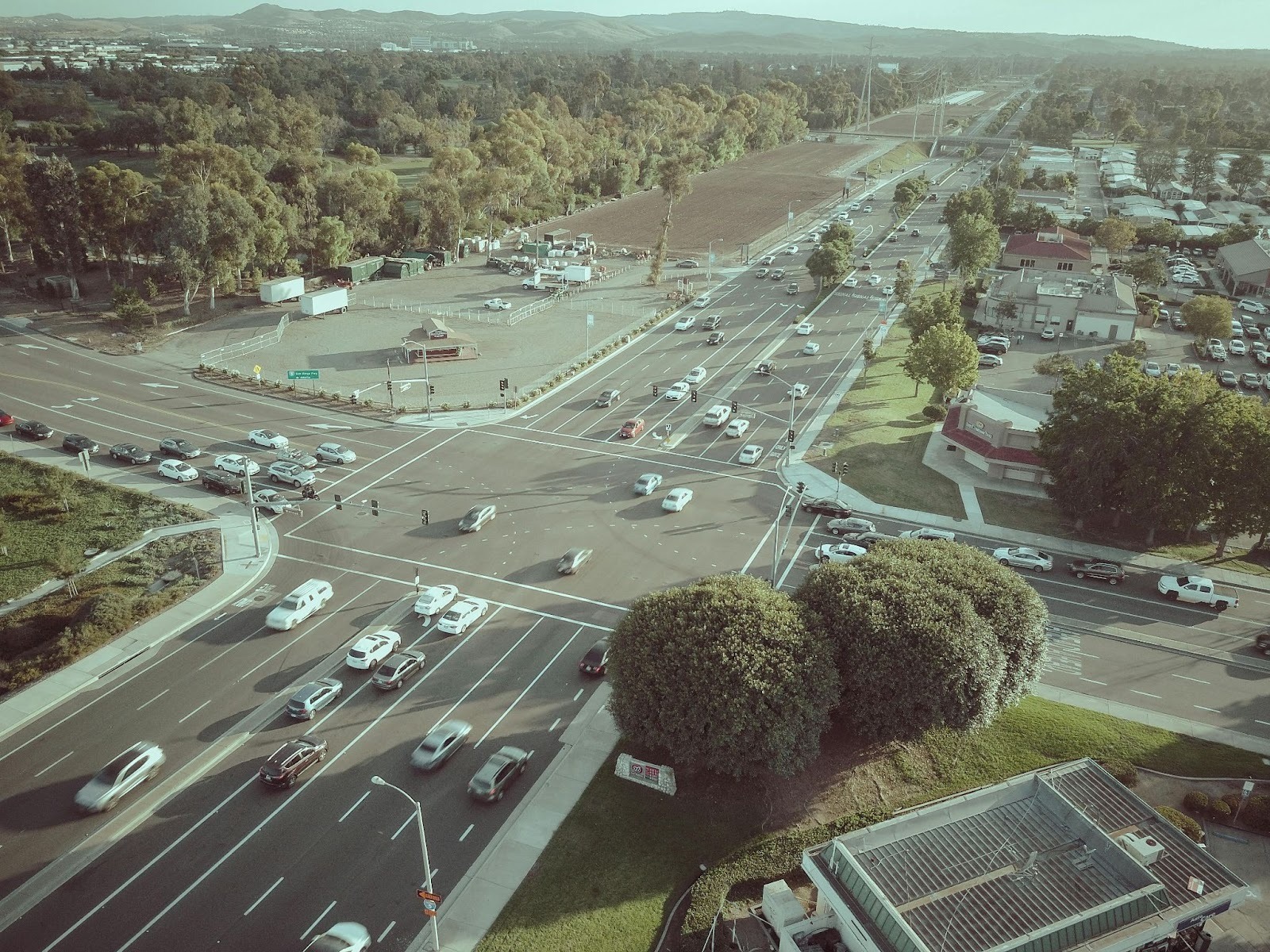
While Wageningen is a "quiet base," it is far from isolated. The city is connected to the Ede-Wageningen intercity station by high-frequency bus lines (303 and 103), which serve as the gateway to the rest of the country. In the 2026 NS timetable, weekend connections from Ede-Wageningen toward Utrecht and Amsterdam have been further expanded, making it possible to reach the Randstad in under an hour.
Students often use the "Student Travel Product" (studentenreisproduct) to explore nearby hubs like Arnhem or Nijmegen for a change of pace. Living here allows you to enjoy a distraction-free week of intensive study on the state-of-the-art campus while retaining the flexibility to participate in the broader Dutch social scene on weekends.
Wageningen suits students seeking focus and community
The city attracts a specific demographic: those passionate about climate, food, nature, and social justice. In 2026, the university’s 109 nationalities create a social fabric where "fitting in" is less about your background and more about your shared interest in global challenges.
Satisfaction here is deeply tied to this alignment. Because the city doesn't have the "overwhelming" noise of a metropolis, the community bonds are often tighter. Students find that their social circles are built around meaningful projects, student associations, and international kitchen nights rather than just high-volume nightlife.