February 7, 2026
How spacious are homes and apartments in Delft on average?
31/12/2024
February 20, 2026
February 20, 2026
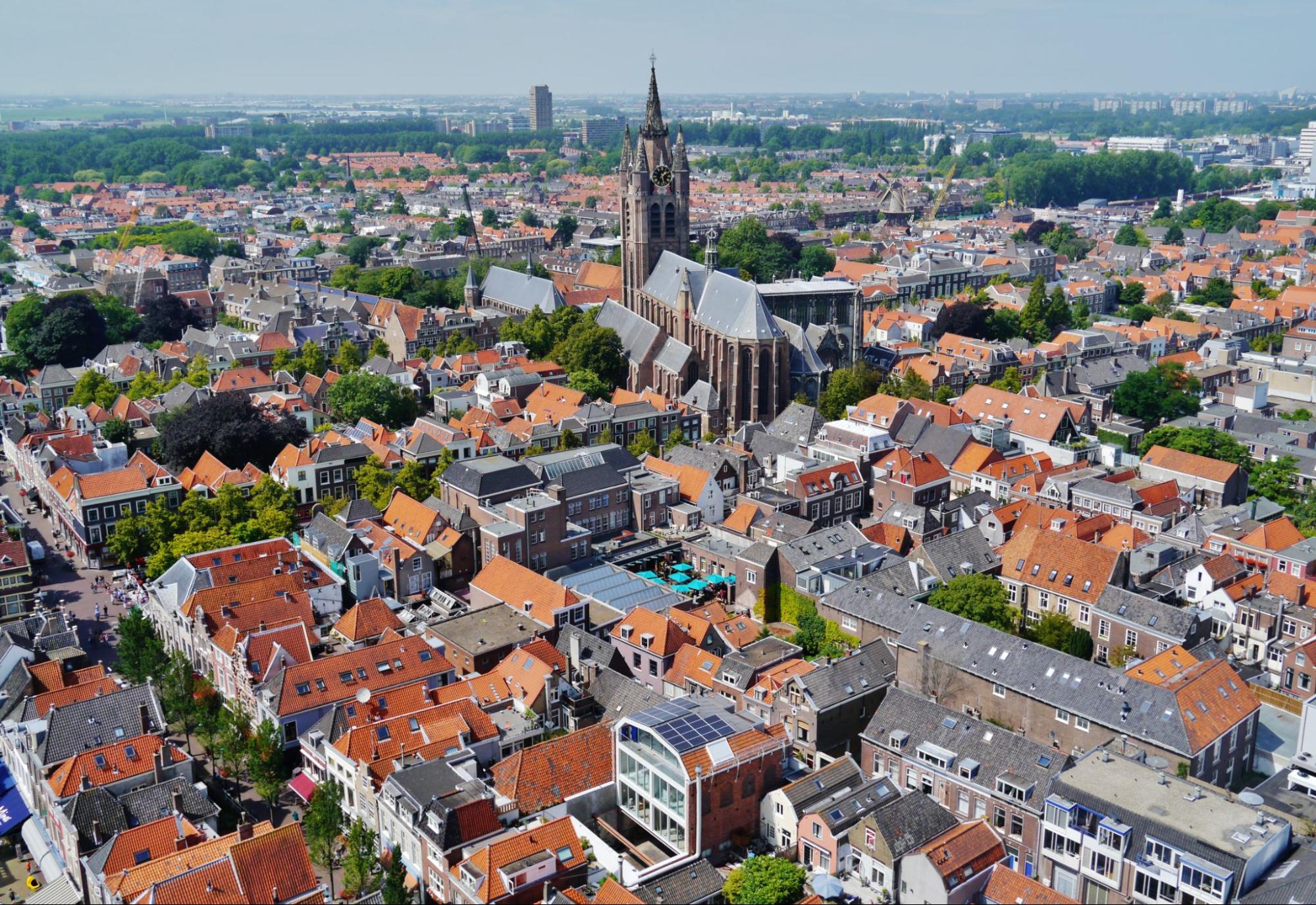
Delft has a reputation that can be slightly misleading when it comes to housing. Many people associate the city with students, historic streets, and compact living. While that image isn’t wrong, it’s incomplete. The real question isn’t whether Delft homes are spacious in absolute terms; it’s how that space is distributed, experienced, and lived in.
Space in Delft works differently that in newer or larger cities. Understanding that difference helps set realistic expectations and avoid disappointment.
Historic vertical layouts
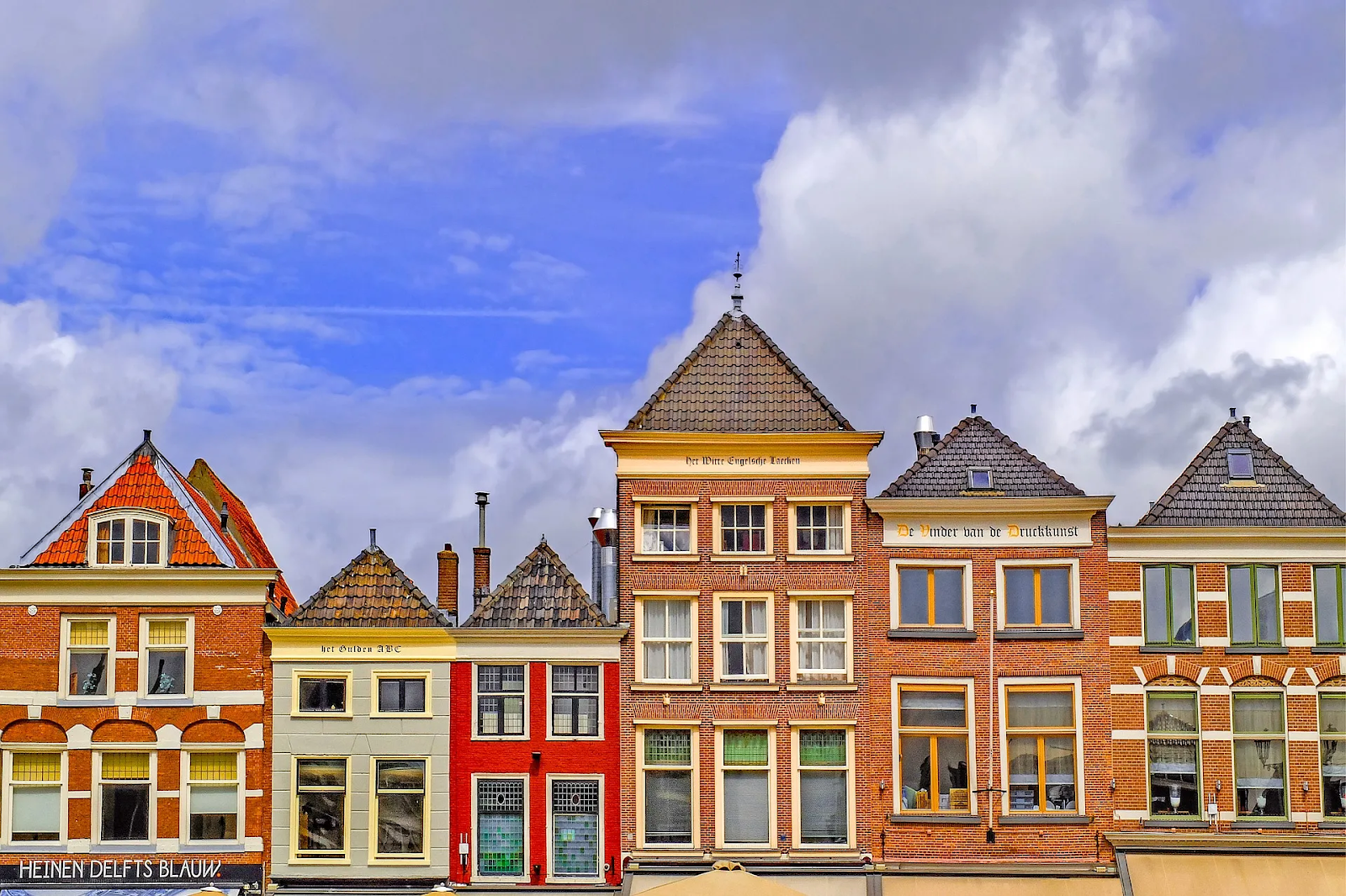
Delft’s historic core features homes built long before modern open plan standards, resulting in narrow, multi story layouts. These properties often utilize vertical separation to define zones, where a single floor might be dedicated entirely to a workspace or a kitchen, creating a psychological sense of distance even in compact footprints.
The verticality of these homes is a practical response to the city's medieval heritage, allowing for a clear distinction between social areas and private quarters. This traditional structure appeals to those who prefer a home with distinct "chapters" rather than a singular open volume.
Central apartment dominance
The central rental and sales market in 2026 is largely comprised of apartments, many of which are situated within monumental buildings or repurposed warehouses. These units often prioritize location and light over storage capacity, reflecting a lifestyle where the city's cafes and public squares act as an extension of the living room.
For residents, the trade off for smaller square meters is immediate access to Delft’s walkability. The 15 minute city concept is fully realized here, where the reduced need for private storage is offset by the abundance of local services within the urban core.
Family home scarcity
Larger family residences, particularly row houses with private gardens, are concentrated in neighborhoods like Tanthof or the Voordijkshoorn and are less common in the center. In early 2026, competition for these properties remains intense because they represent a limited portion of the total housing supply, often causing them to sell faster than central apartments.
These homes offer a more conventional horizontal layout that caters to families requiring multiple bedrooms on a single level or direct outdoor access. Because of their scarcity, these properties are increasingly seen as "long term" holds, with owners rarely moving once they have secured a home with a functional garden.
Efficient modern developments
New projects like the Schoemaker Toren and the NEXT Delft expansion are redefining modern living in the city. These developments utilize smart design, such as integrated storage walls and high performance insulation, to make a 75 $m^2$ apartment feel as spacious as a much larger traditional home.
This modern approach bridges the gap between historic charm and contemporary efficiency requirements. These projects are crucial for increasing the supply of functional housing within the city limits.

Vertical daily experience
Living across three or four floors fundamentally changes the daily rhythm of a household. For couples working from home in 2026, this verticality provides the acoustic and mental separation necessary for productivity, keeping the office physically removed from the sleeping and relaxation areas.
While this structure creates a dynamic and varied living experience, the reliance on stairs is a significant factor for those with mobility concerns. Consequently, many newer developments are incorporating single level layouts and elevators to accommodate the city's diverse demographics.
Limited outdoor meaning
In central Delft, private gardens and balconies remain rare commodities in the historic stock. However, the city’s 2026 urban strategy emphasizes hyper proximity, ensuring that even those without a private terrace are within a few minutes' walk of high quality public greenery.
Shared courtyards and pocket parks are becoming the standard for new developments, fostering a sense of community that private gardens sometimes lack. The ability to walk to the Delftse Hout compensates for the lack of a personal backyard, treating the city’s public realm as an extension of the home.
Crucial storage constraints
Storage remains a significant challenge, particularly as the sell off of former rental properties continues to bring older, smaller units onto the owner occupied market. These homes often require creative retrofitting to accommodate the bicycles and equipment central to the Dutch lifestyle.
To address this, 2026 trends see a rise in external storage solutions and the inclusion of high density bike sheds in new projects. A home that includes a dedicated storage room is increasingly viewed as a high value asset.
Changing student perception
The ongoing room shortage in Delft shapes the broader perception that the city only offers compact living, though this scarcity is primarily at the entry level of the market. While student studios dominate the visible listings, 2026 is seeing the completion of more diverse projects aimed at keeping graduates and young professionals in the city.
These Sting concept buildings focus on independent units clustered around large communal areas, bridging the gap between small student rooms and traditional family homes. This development helps retain talent within the city.
When Delft homes may feel too small
Delft may not suit households prioritizing large living rooms, extensive storage, or private outdoor space. In the historic center, the average transaction price is currently near €477,000, yet this often secures a footprint that would be considered modest in more suburban regions. For those with a specific need for sprawling floor plans, the city's older stock can feel restrictive.
For households that require substantial "hobby space" or large private gardens, neighboring areas or the very newest outer-district developments may be a better fit. In 2026, many families are looking toward the Schoemaker Plantage or Kabeldistrict to find the modern, multi-room layouts that the 17th-century canal houses simply cannot provide. Fit matters more than charm when your daily life requires physical room to breathe.
Quality over meters
Delft homes are not defined by an abundance of space; they’re defined by the intentional use of space. Layouts are compact, often vertical, and shaped by a history that prioritized density and proximity. For many residents, this works beautifully because the city itself acts as a living room, with cafes and libraries serving as extensions of the home.
The "X-Minute City" model is a key focus of Delft’s urban planning in 2026, ensuring that essential services are within a 5 to 20-minute walk or cycle. This proximity reduces the need for large internal storage or expansive home gyms, as these facilities are integrated into the neighborhood fabric.