February 7, 2026
How much does the interior cost when you move in?
27/4/2023
February 7, 2026
February 7, 2026

The lease or purchase agreement has been signed, the key transfer has been scheduled and the dream of a new home is beginning to come true. However, for many people, only the biggest financial challenge of the moving process begins at that moment: furnishing. In 2026, the costs of furniture, upholstery and decoration were significantly affected by inflation and increased logistics costs. Where people used to go a long way with a few thousand euros, furnishing an average home in 2026 requires sharper budgeting and strategic choices.
Whether you're moving into rooms for the first time, moving into your first apartment or moving into a family home, furnishing costs are often the most underestimated item. In this article, we analyse the actual costs of furnishing a home in 2026.
The basics: Upholstery and floors
Before there is even one sofa in the room, the basics of the home must be in order. In the Netherlands, many homes (especially rental properties in the free sector and social sector) are delivered “bare”.
- Carpeting: Laying a decent laminate or PVC floor is a significant investment in 2026. Including the subfloor and skirting boards, you should count on €35 to €60 per m². For an average apartment of 60 m², we are therefore talking about an amount between €2,100 and €3,600.
- Window treatments: Curtains, blinds or roller blinds for an entire home are often forgotten. In 2026, high-quality custom window treatments will cost an average of €1,500 to €2,500 for a standard three-room home.
- Lighting: Basic lighting for all rooms, including luminaires and energy-efficient LED lights, can easily cost €400 to €800.
The living room: The heart of the home
The living room is usually the most expensive space to furnish because this is where the largest and most used pieces of furniture are located.
In 2026, a high-quality three-seater sofa will cost an average of between €1,200 and €2,000. Add to that a coffee table (€200), a TV cabinet (€300) and a dining table with four chairs (€1,000), and the budget adds up quickly. For a complete living room design of medium quality, such as a mix of well-known stores and specialty stores, you should expect an amount of €4,000 to €6,500.
Bedroom and rest: Investing in sleep
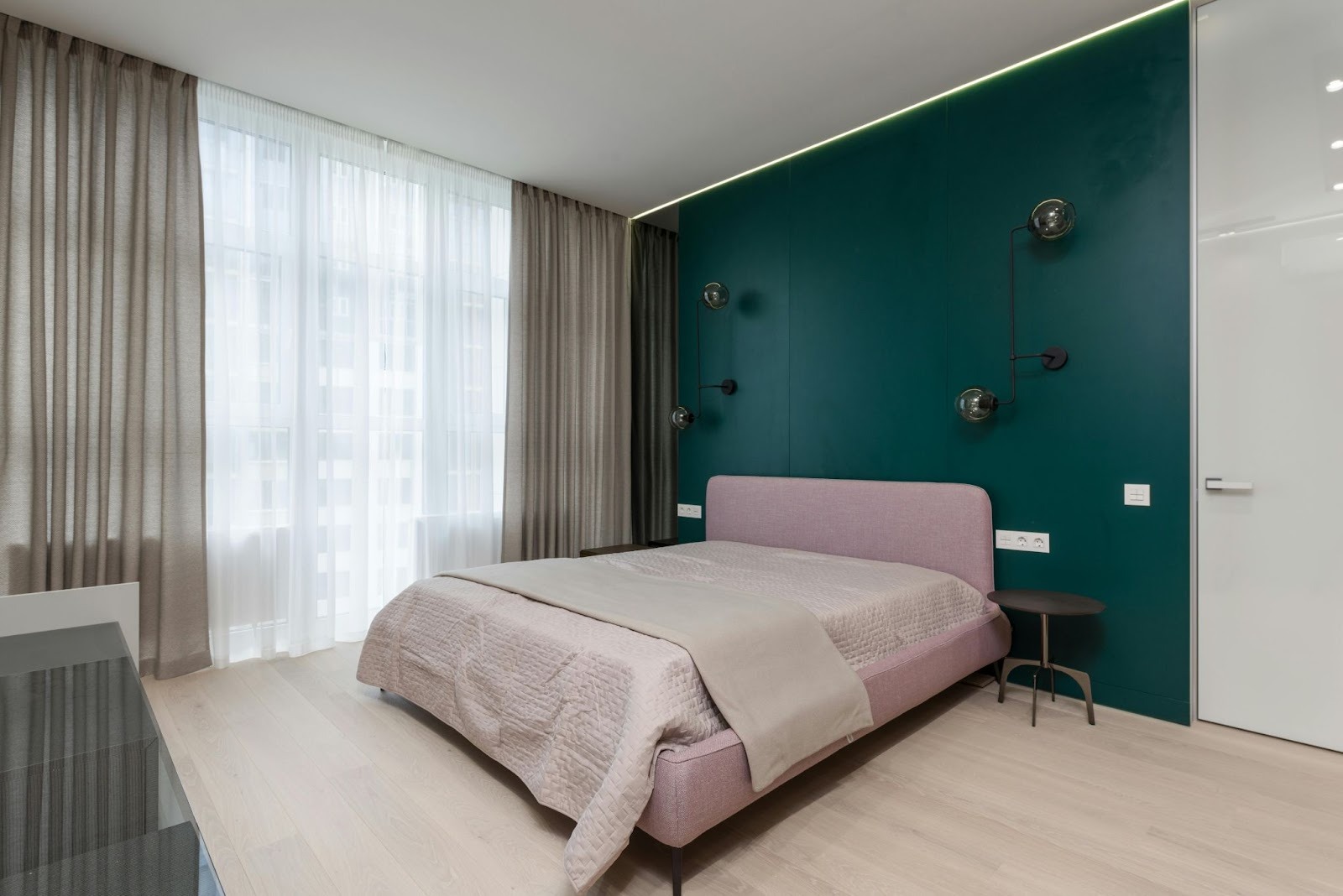
A good night's sleep is priceless, but the equipment for it comes at a clear price in 2026. A decent double bed (box spring or frame) including a quality mattress costs an average of €1,500 to €2,800.
In addition, don't forget the storage space. A spacious wardrobe with sliding doors or a modular system can easily cost €800 to €1,500 in 2026. Including bed linen, bedside tables and a comforter, the total furnishing of the master bedroom amounts to around €3,000 to €5,000. For any extra bedrooms or an office, you can count on approximately half of this amount per room.
Kitchen and home appliances
If the home is not equipped with built-in appliances, or if you move to a place where you have to take care of the “white goods” yourself, this is a heavy post.
- White goods: An energy-efficient washing machine (A-label will be the norm in 2026), refrigerator and possibly a dishwasher cost between €1,800 and €2,800.
- Kitchen inventory: Think of small appliances such as a coffee maker, kettle, cookware and dishes. A complete starter set will cost you around €600 to €1,000 in 2026.
The hidden extras: Decoration and small items
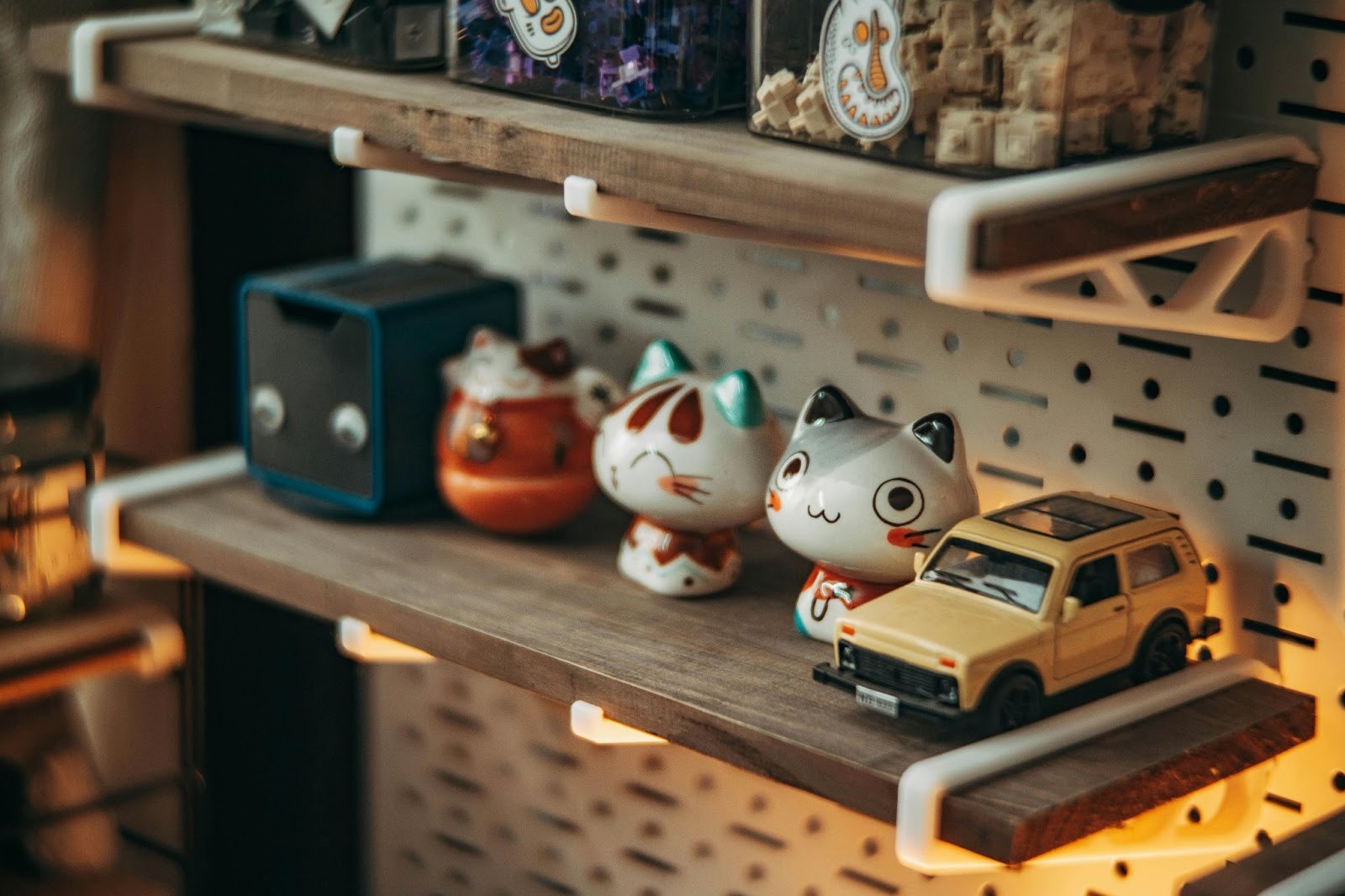
It's the little things that make a home feel like a home, but these add up financially. Plants, decorative cushions, a rug, mirrors and paintings together form the “finishing touch”. Experts recommend reserving around 10% to 15% of your total furnishing budget for this purpose. For an average home, this means an amount of €1,000 to €2,000.
In addition, there are practical things: a vacuum cleaner, an ironing board, assembly tools and cleaning products. This “other” item costs an average of €500.
Overall overview: What is the final amount in 2026?
When we add up all the items for an average Dutch apartment (approx. 70 m², 3 rooms) with a new interior of average quality, we arrive at the following estimates:
- Budget variant (Second-hand & Budget Chains): €7,500 - €10,000
- Standard version (New, good quality): €15,000 - €22,000
- Luxury version (Design & Customization): € 35,000+
These amounts show that the interior is often a second “down payment” on the home. In 2026, more and more people are opting for a hybrid form: investing in a good mattress and a sofa, while side tables and cabinets are purchased (second-hand) via the circular market to reduce costs.
Budgeting for the interior starts with making a priority list. In 2026, the most important lesson is that “ready to move in” is also a relative term for your wallet. By breaking down the costs per space and taking into account current market prices, you avoid living in a beautiful home but having to sit on a camping chair because you run out of budget.