February 7, 2026
How modern are the Zaandam apartments?
15/1/2025
February 20, 2026
February 20, 2026
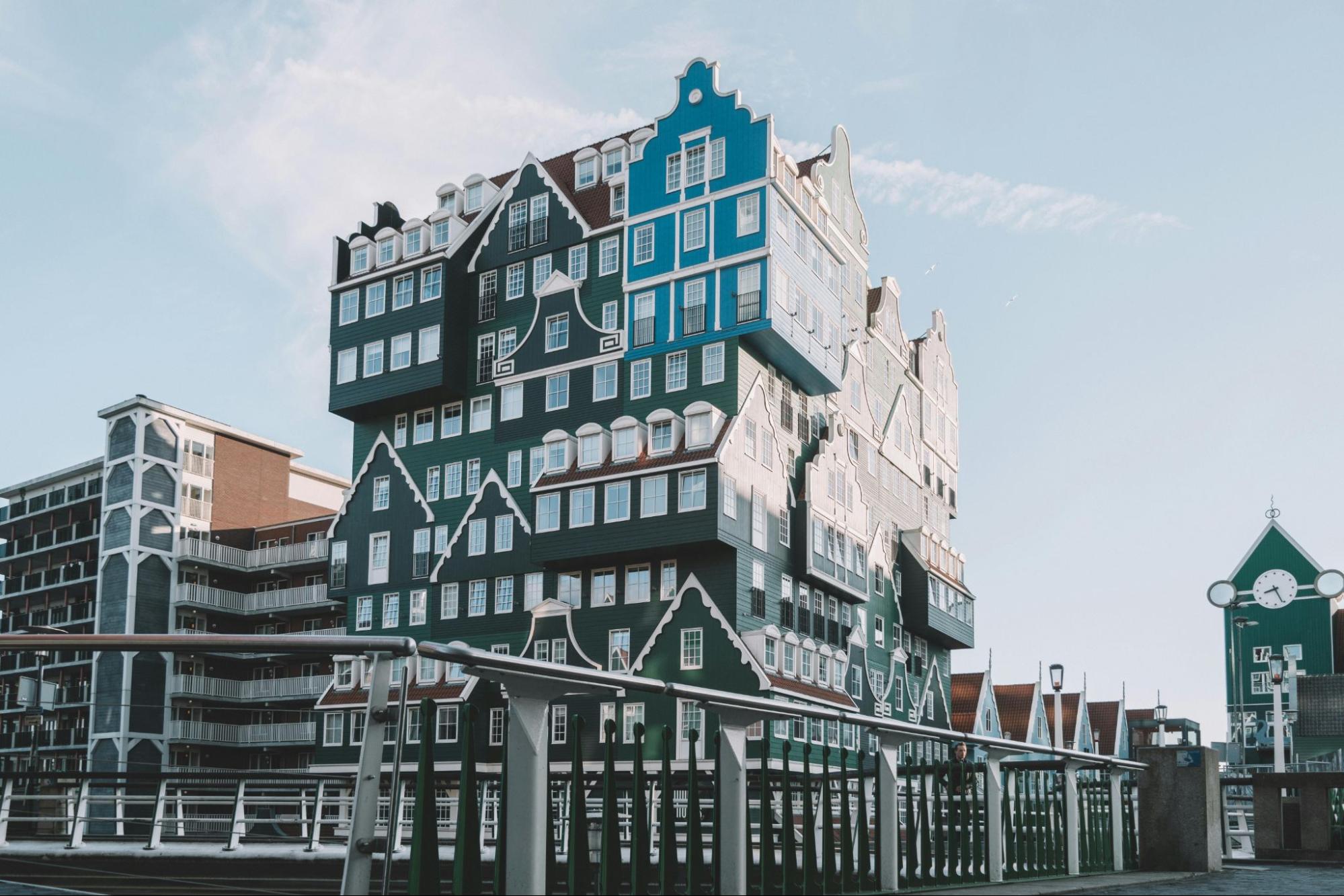
Zaandam has changed dramatically over the past decade, and nowhere is that more visible than in its apartment stock. People who haven’t visited recently often picture older industrial buildings or modest housing, but today’s Zaandam tells a more layered story. Modern apartments are a major part of the city’s transformation, though “modern” doesn’t mean the same thing everywhere.
Understanding how modern Zaandam apartments really are means looking at where they’re located, when they were built, and what kind of living they’re designed for.
New developments have reshaped the city center
The redevelopment of Zaandam’s center has reached a new peak in 2026 with projects like ZAAM and DAM Apartments nearing completion. These projects offer a refined city courtyard experience, featuring modern amenities such as biodiverse gardens, underground parking, and high-speed elevators.
Unlike the older, fragmented housing typical of many Dutch cities, these contemporary complexes are designed as integrated ecosystems. They cater to a mix of young professionals and families who want the aesthetic of Amsterdam’s architecture with the convenience of new-build standards, including single-level living and private outdoor spaces.
Energy efficiency is a clear strength of newer apartments
A defining feature of the 2026 market in Zaandam is the A+++ energy label found in new developments. Most new apartments are entirely gas-free, utilizing thermal heating (Warmte Koude Opslag) and underfloor cooling systems.
These efficiency standards have a direct impact on the cost of living. In an era where Dutch energy prices remain a significant monthly expense, a modern Zaandam apartment can save residents roughly €100 to €150 per month compared to a classic 19th-century Amsterdam flat. In Zaandam, sustainability is no longer a luxury; it is a baseline for modern comfort.
Layouts reflect contemporary lifestyles
Architectural design in Zaandam’s newest projects focuses on "smart space." Studios and apartments (ranging from 40 to 72 $m^2$) are built with dedicated zones for remote work and open-plan kitchens that serve as social hubs.
This functional approach is a response to the hybrid work culture that dominates 2026. Developers have prioritized natural light through large tilt-and-turn windows and ceiling heights often exceeding 3 meters, ensuring that even compact apartments feel airy and productive during long days at home.
Vertical living feels more established than before
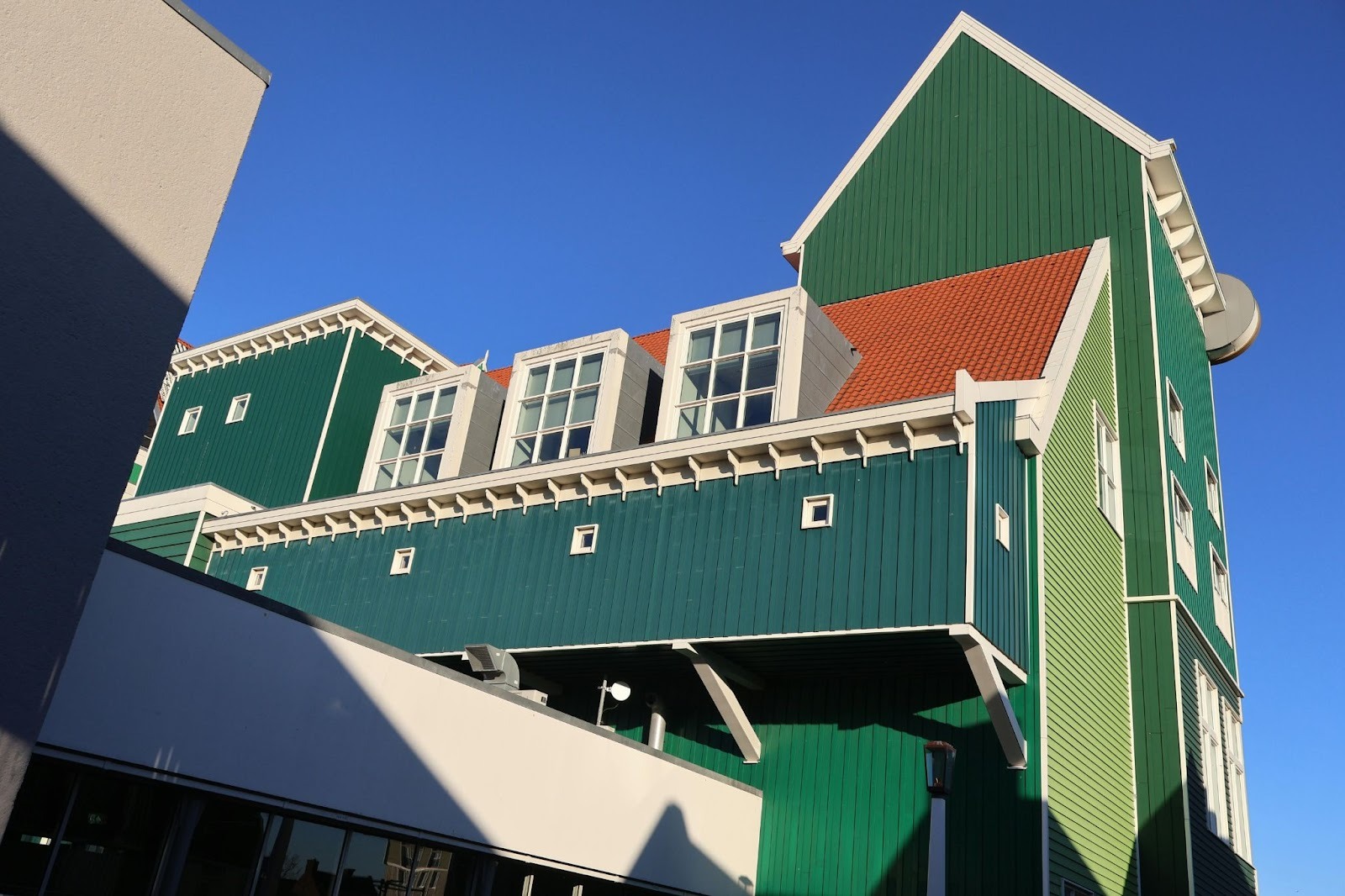
Vertical living in Zaandam has matured into a sophisticated lifestyle choice. New developments like the ZAAM city courtyard (completion late 2026) and ZAAN79 (Q3 2026) offer single-level, accessible apartments that appeal to a diverse demographic from "starters" to downsizers.
These buildings normalize high-density living by incorporating high-speed elevators, underground parking, and shared community spaces that foster a sense of belonging rather than isolation.
Finishes vary by project rather than by city reputation
In the current market, "modernity" is defined by the developer’s specific vision. For example, the DAM Apartments focus on "timeless elegance" with just eight exclusive, high-character units.
Conversely, ZAAN79 offers a unique "shell delivery" model, allowing buyers to fully design their own interiors from the ground up. This shift means that quality is no longer a city-wide average; it is a choice between bespoke luxury and modular efficiency.
Outdoor space is more common than expected
The "concrete jungle" stereotype is being dismantled by Zaandam’s new-build philosophy. Modern complexes now prioritize biodiverse inner courtyards and shared rooftop gardens. Projects like Timbr in the Kogerveld district integrate meandering paths and lush greenery, ensuring that residents have a natural sanctuary just steps from their front door. These spaces improve the daily rhythm by providing a quiet counterbalance to the urban energy of the city center.
Noise insulation has improved significantly
Noise reduction has become a primary engineering focus in 2026. Newer buildings are increasingly utilizing timber frame construction or hybrid wood-concrete models (like Timbr), which naturally dampen sound.
These sustainable methods, combined with high-performance acoustic glazing, create a level of silence that was previously rare in urban apartments. For the long-term resident, this technological leap has turned silence into a standard feature of modern living.
Rental apartments tend to be newer than owned stock
A unique dynamic in Zaandam’s 2026 market is that the rental sector often features the most cutting-edge technology. The Timbr development, for instance, offers 158 sustainable rental homes many in the mid-market segment featuring bamboo-clad facades and modular construction.
This means that renters often benefit from the newest energy-saving innovations, such as thermal heating and underfloor cooling, even before they enter the buyer's market.
Smart infrastructure supports daily convenience
Beyond the apartment walls, modern Zaandam developments are built as "smart hubs."
- Parcel Lockers: Integrated delivery systems are now standard in larger complexes.
- Shared Mobility: Secure, communal bike storage and EV charging points in underground garages support the city’s car-free ambitions.
- Underfloor Systems: Many 2026 units feature Vidalco underfloor heating and cooling, providing year-round climate control with minimal energy use.
Modern apartments support commuting lifestyles
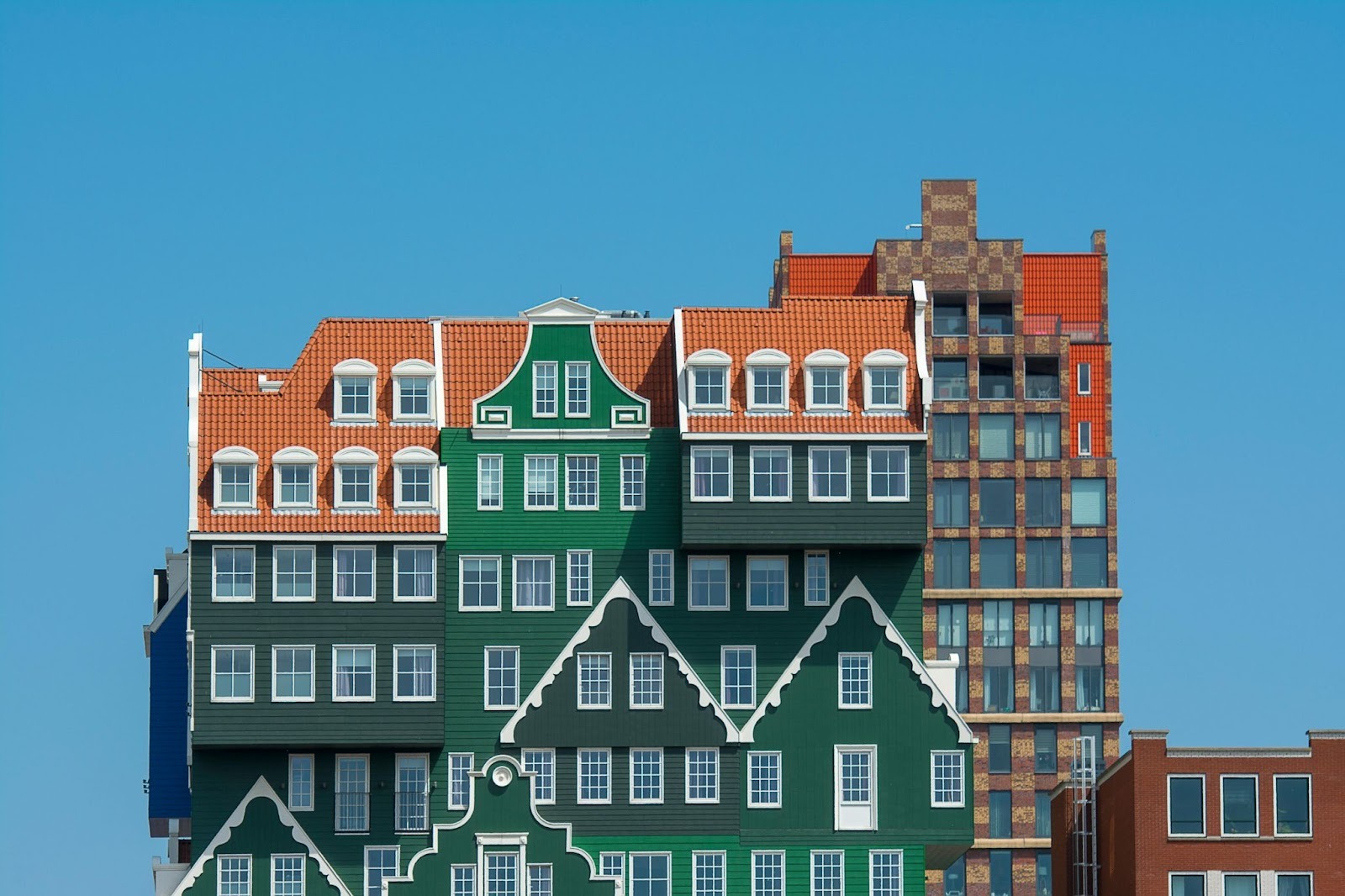
The strategic placement of newer complexes near the Zaandam railway station ensures that residents can reach the heart of Amsterdam in roughly twelve minutes. This proximity transforms the city into a logical base for professionals who work in the capital but prefer the streamlined amenities of a newer building.
Inside these homes, the architecture specifically addresses the needs of a mobile workforce through high performance soundproofing and integrated technology. The layouts prioritize functionality, providing dedicated areas for remote work and quick transitions between professional and personal life within a compact urban setting.
When the Zaandam apartments may feel less modern
Prospective residents should be aware that the city still contains older walk-up blocks that were built before current sustainability standards were established. These properties often feature dated interior finishes and may lack the specialized insulation found in the more recent developments near the city center.
Choosing a home in these established areas requires a more careful inspection of energy labels and maintenance history to avoid unexpected costs. While these units offer a different price point, they do not always provide the same level of modern comfort or technical integration as the newer builds.
Flexibility over reputation
The current apartment market in Zaandam provides a sophisticated alternative to the high intensity of larger Randstad cities by offering a mix of energy efficiency and smart design. Contemporary facilities like secure bike storage and communal green spaces are becoming the standard for projects located near major transport hubs.
At the same time, the presence of varied housing stock allows for a range of budgets and lifestyle preferences to be met across the different neighborhoods. This versatility is the true appeal of the city, offering high quality living options that often surpass the expectations of those unfamiliar with the area's recent growth.