February 7, 2026
How family-friendly is Groningen?
30/11/2024
February 20, 2026
February 20, 2026
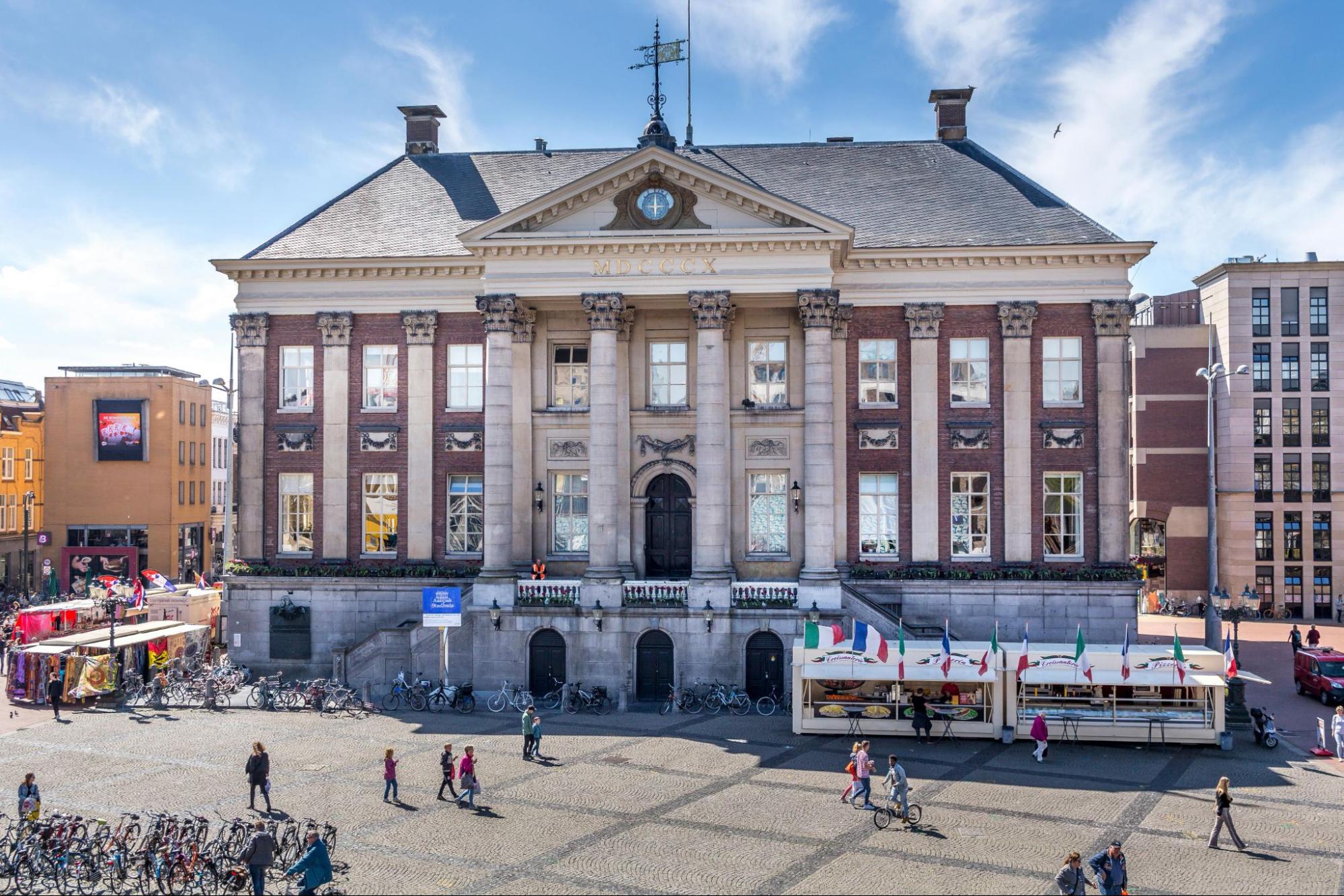
Groningen doesn’t always come up first when families think about where to live in the Netherlands. It’s often seen as a student city, lively and youthful, but not necessarily built around family life. Yet families who settle in Groningen often discover that this image only tells part of the story.
In reality, Groningen offers a combination that’s becoming rare in many Dutch cities: space, affordability, and a calm pace of life, without sacrificing access to education, culture, or everyday convenience. How family-friendly it feels depends on your family's stage and the daily rhythm you value.
Housing space is easier to find and keep
Groningen’s primary draw is the ability to secure a home with actual "room to grow." In early 2026, the average property price in the city is roughly €361,000, which is a stark contrast to Amsterdam’s average of over €950,000.
This price gap allows families to prioritize multi-bedroom homes with gardens. New developments like Stadshaven are currently adding thousands of modern, sustainable units designed specifically for long-term residency. For many, this means the first home they buy can realistically be the one they stay in until the children leave.
Neighborhoods are designed for everyday living
Family life in Groningen is supported by a "human-scale" urban design. Neighborhoods like Helpman and the Ebbingekwartier are structured so that essential services schools, bakeries, and parks are integrated into the residential areas.
This reduces the daily logistical burden. Because the city is compact and traffic is actively managed to prioritize residents, the "school run" or a quick trip for groceries feels like a minor errand rather than a major transit event.
Schools and childcare are accessible and less competitive
While the national housing market is tight, the pressure on family infrastructure in Groningen is noticeably lower. Families generally find that securing a spot in a local primary school or a childcare center like SKSG doesn't require the multi-year waitlists common in larger western cities.
This accessibility allows parents to choose educational environments that fit their child’s needs rather than simply taking whatever is available. In 2026, municipal subsidies for preschool (VVE) continue to support bilingual and international families, making the transition easier for newcomers.
Cycling culture supports independence early
Groningen is a world leader in cycling infrastructure, with over 60% of all trips made by bike. In 2026, the city is further enhancing safety with "intelligent" traffic lights that give priority to cyclists during rain and frost.
For families, this means children gain independence much earlier. The safe, separated bike paths allow kids to cycle to sports or friends' houses on their own, building their confidence and freeing parents from acting as a constant "taxi service."
Green space is part of daily life
Nature in Groningen is an everyday amenity, not a weekend destination. Parks like Noorderplantsoen serve as shared living rooms for the community. The city's current "Green Plan" is actively adding thousands of square meters of new public greenery throughout 2026.
Whether it’s a spontaneous afternoon at a playground or a weekend at the nearby Hoornsemeer, access to the outdoors is seamless. This proximity to nature provides a vital mental health buffer for both parents and children.
City size keeps logistics manageable
Groningen’s scale is its secret weapon for family harmony. Most commutes are short, traffic is minimal, and the city is easy to navigate. By spending less time in transit, families reclaim hours of their week for themselves. This simplicity is a defining feature of the "Groningen rhythm" it’s a city that offers enough room and enough time to build a life without constant pressure.
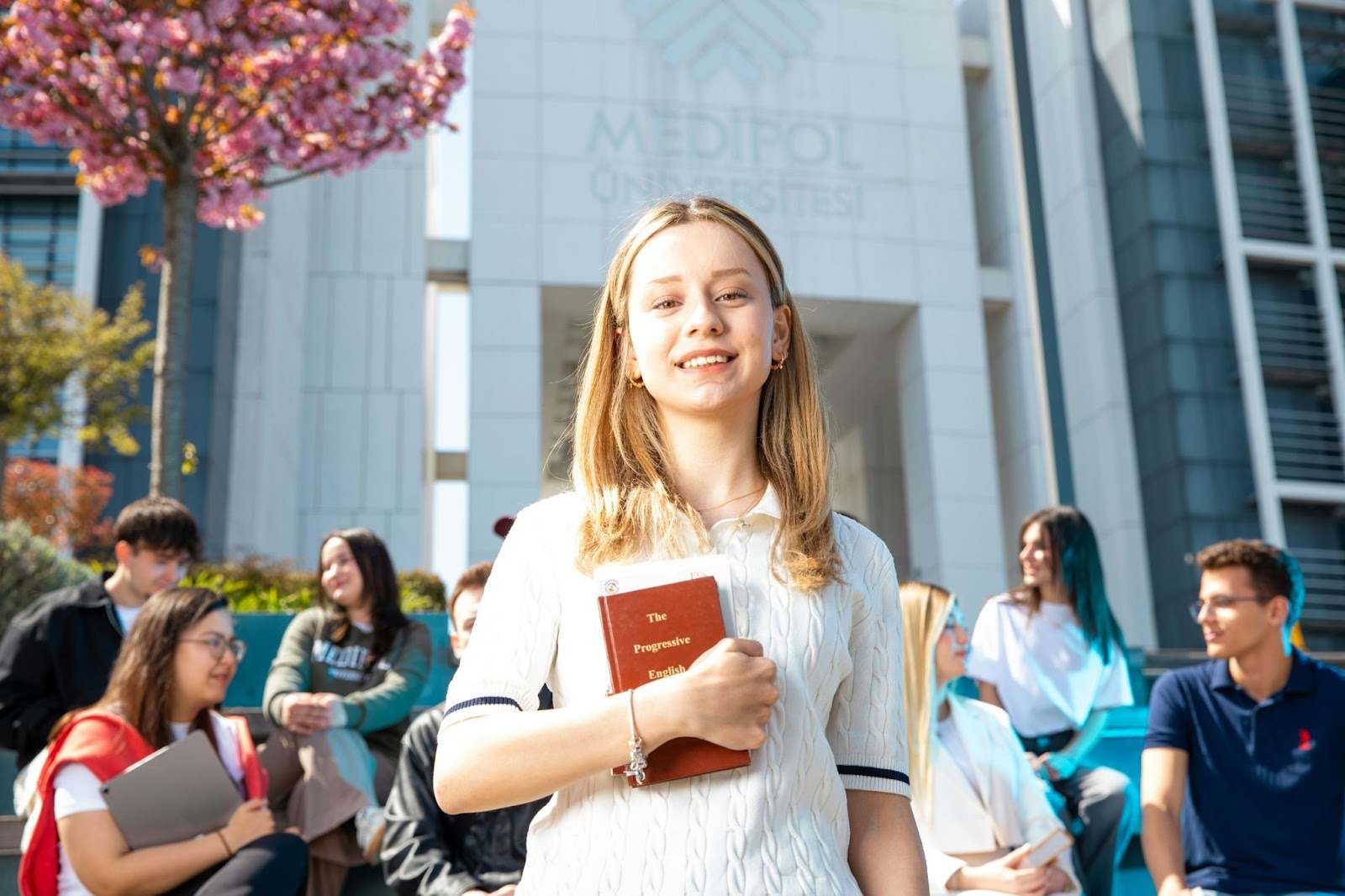
A student city that adapts to family life
The presence of over 50,000 students gives Groningen a unique "rechargeable" energy, but the city is expertly zoned to ensure this doesn't encroach on family peace. Neighborhoods such as Haren and Helpman are renowned for their quiet, leafy streets and high concentration of families, providing a distinct barrier from the late-night bustle of the Grote Markt.
This balance allows you to enjoy the cultural perks of a major university city like the world-class Forum Groningen while living in an environment where your children can sleep soundly. The city doesn't force you to choose between vibrancy and tranquility; it simply offers them in different, easily accessible layers.
Community feels approachable and informal
In Groningen, the "village feel" within a city is real. Informal community networks are a cornerstone of daily life, making it easier for new families to integrate. Whether it’s through local "buurtverenigingen" (neighborhood associations) or the casual interactions at the Saturday market on the Vismarkt, the social barrier is low.
Support systems here grow naturally. For international families, the International School Groningen (located in Haren) serves as a vital community hub, with 2026 tuition fees for its primary years typically ranging around €4,000 to €7,000 annually, making it more accessible than many counterparts in the Randstad.
Cultural and educational opportunities grow with children
Groningen is designed to stimulate a child's development at every stage. In 2026, family-centric cultural hubs like Storyworld (dedicated to comics and games) and the Martiniplaza offer year-round programming, from "Mega Bouncy Castle Festivals" to international theater tours like Paw Patrol Live!.
As children age into their teens, the University of Groningen and various vocational colleges provide a local path to world-class education. This proximity allows families to support their children's transition to adulthood without the need for expensive, long-distance relocations.
Distance from the Randstad can be a trade-off
The most significant consideration for families is Groningen's relative isolation from the Randstad. While the train journey to Amsterdam Centraal is efficient at approximately 2 hours and 4 minutes, it is still a significant commitment for those who need to commute multiple times a week.
This distance defines the "Groningen lifestyle." It is a city for those who want to build a self-contained life in the North, valuing space and calm over the ability to quickly reach the Hague or Utrecht.

Family life benefits from a slower pace
Groningen moves at a gentler rhythm that fundamentally changes how families operate. In early 2026, the city’s commitment to car-free zones and "human-scale" planning means that daily life feels less like a series of logistical problems and more like a steady, manageable routine.
This slower pace allows for more intentional parenting and predictable days. With 60% of all trips made by bicycle, the lack of traffic congestion means you spend less time in transit and more time at home. For many, this "time wealth" is the city's most valuable asset.
When Groningen may not fit every family
Despite its high quality of life, Groningen is not a universal solution. Families who thrive on the high-intensity cultural "buzz" of a global metropolis or those who require a vast, specialized international network may find the city feels a bit small.
Additionally, the job market while booming in energy and green tech is not as diverse as the Amsterdam-Rotterdam corridor.
The final verdict
Groningen is quietly family-friendly in ways that matter over time. Space is attainable, routines are manageable, costs are balanced, and daily life feels grounded.
In early 2026, the city is a sanctuary for those who value calm and independence. It may not compete loudly with the prestige of bigger cities, but for families looking for room to breathe and a supportive environment to raise children, that lack of noise is exactly the point.