February 7, 2026
How does Almere suit first-time buyers?
5/1/2025
February 20, 2026
February 20, 2026
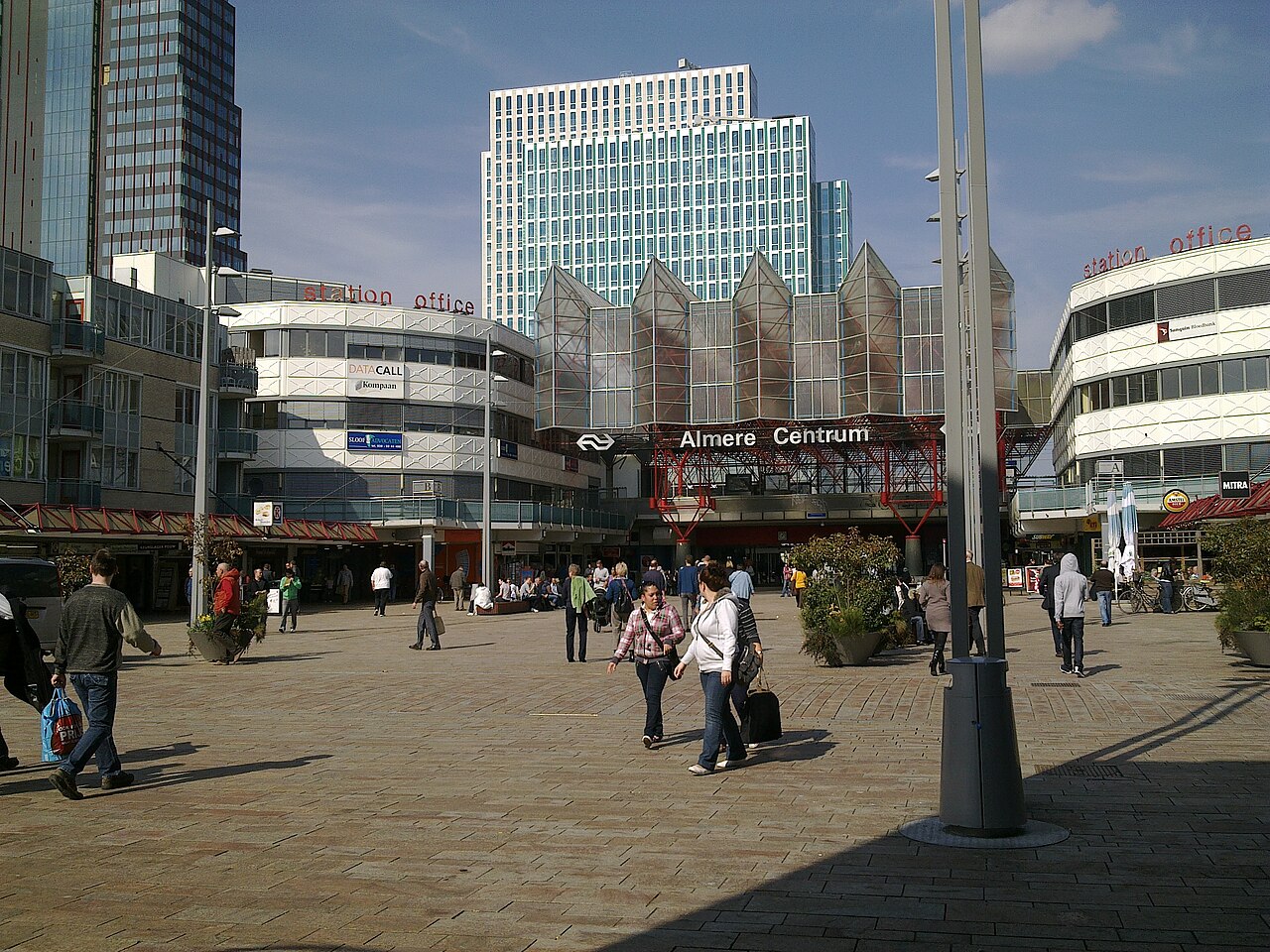
Almere often comes up in conversations when first-time buyers start looking beyond the most competitive cities. For many, it’s not a dream location they grew up imagining, yet it frequently becomes the place where buying actually feels possible. Almere suits first-time buyers not because it promises perfection, but because it lowers several barriers that make buying elsewhere overwhelming. Understanding how and why helps buyers decide whether Almere fits their goals, not just their budget.
Entry prices make ownership feel attainable
Almere remains one of the few locations in the Randstad where first-time buyers can realistically secure a home without extreme overbidding. With an average price per square meter of €4,483, the city provides a viable entry point that doesn't require the near-€9,000 per square meter often seen in prime Amsterdam districts.
This price stability allows starters to maintain a healthy financial buffer rather than exhausting their savings on a down payment. The current National Mortgage Guarantee (NHG) limit of €470,000 (or €498,000 with energy-saving measures) covers a vast portion of Almere's housing stock, offering extra safety and lower interest rates for many buyers.
Newer housing reduces immediate maintenance risk
Because Almere is a young city, its housing stock is naturally more energy-efficient and structurally sound than the 19th-century buildings in older hubs. Over 40% of homes in the Netherlands now carry an Energy Label A or higher, and Almere is a leading contributor to this trend due to its extensive new-build neighborhoods.
For a first-time owner, this modern foundation translates to lower monthly utility bills and a significant reduction in the "surprise costs" associated with leaks, drafts, or outdated wiring. In 2026, where sustainability directly impacts borrowing capacity, owning a well-insulated home in Almere can actually increase your maximum mortgage compared to an older property with a poor energy label.
Layouts suit modern lifestyles
The city was designed around modern living requirements, meaning homes often feature open-plan kitchens, high ceilings, and integrated storage. Most properties built in the last two decades are optimized for the hybrid work culture of 2026, frequently including dedicated office nooks or extra bedrooms that would be considered luxury add-ons in older cities.
Functionality is prioritized over historic compromise, ensuring that daily routines from laundry to hosting are frictionless. This alignment with contemporary lifestyles means that buyers spend less time and money on renovations, allowing them to enjoy their new home immediately after receiving the keys.
Space is more realistic at entry-level budgets
In Almere, the trade-off for a twenty-minute train ride is often an extra bedroom or a private garden that would be unattainable elsewhere. First-time buyers can realistically look at homes between 100 $m^2$ and 150 $m^2$, providing a long-term living solution that accommodates future family growth or lifestyle changes.
This "future-proofing" is a major draw for starters who want to avoid the stress and costs of moving again within a few years. By securing more space early on, residents can build equity in a home that grows with them, rather than outgrowing a cramped apartment in a matter of months.

Competition feels manageable compared to core Randstad cities
While demand in the region remains high, the pace of the buying process in Almere is generally more measured than in the over-pressurized Amsterdam market. Buyers often find they have more than a few minutes to evaluate a property, allowing for a more thorough assessment of the home’s condition and future potential.
This slightly slower tempo provides first-time owners with the emotional space needed to make informed financial decisions without the frantic pressure of immediate bidding wars. Taking the time to ask questions and review valuation reports ensures that the purchase is a well-calculated step rather than a desperate reaction to market scarcity.
Commuting options support job flexibility
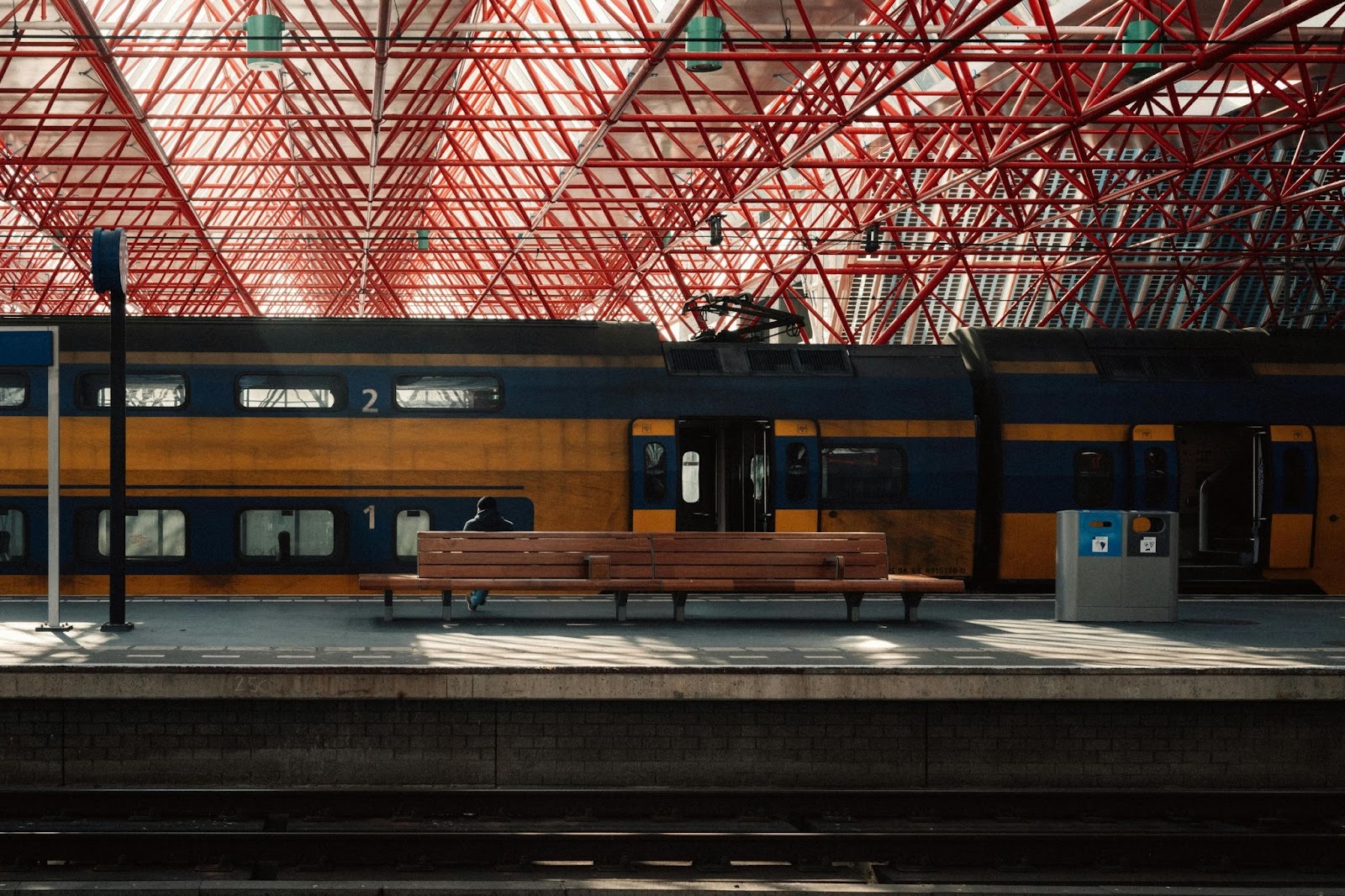
Almere’s rail infrastructure remains a significant advantage for those working in major business hubs, with direct trains reaching Amsterdam Centraal in as little as twenty-one minutes. In 2026, the high frequency of services averaging over one hundred trains per day ensures that residents can maintain diverse career options across the Randstad.
This connectivity acts as a form of career insurance, allowing you to change jobs between Utrecht, Lelystad, or Amsterdam without needing to relocate. While ProRail has scheduled some maintenance for the Almere-Lelystad line this July, the overall reliability of the network continues to support a flexible and mobile professional lifestyle.
Lifestyle expectations shape satisfaction
Satisfaction in Almere is closely tied to aligning your expectations with the city’s specific character as a modern, space-oriented urban center. Those who value quiet streets, easy parking, and immediate access to parks often find the city to be an ideal match for their daily needs.
While it may lack the dense, historic nightlife of older Dutch cities, it compensates by offering a high level of individual comfort and practical utility. Recognizing that you are choosing space and predictability over traditional charm is key to feeling truly settled in this unique and evolving landscape.
Buying here often feels like a strategic first step
For many first-time owners, an Almere property serves as a reliable launchpad into the broader housing market. It offers a chance to build equity in a relatively young and low-maintenance home, making future moves into larger or more central properties much easier to manage.
This mindset reframes the purchase as a building block for long-term wealth and stability rather than a final destination. By entering the market now in a region with steady growth and manageable risk, you position yourself for future opportunities while enjoying the immediate benefits of a modern home.
Long-term value depends on personal plans
Ownership in Almere is most effective when viewed as a multi-year commitment rather than a short-term stopover. Given the transaction costs associated with buying, such as the notary fees and possible brokerage costs, the financial benefits of lower entry prices are typically realized over a period of five years or more.
Those who plan to stay for the medium to long term are better positioned to weather any minor market fluctuations while their equity grows. In 2026, with inflation-adjusted home prices expected to stay relatively flat or rise slightly, the value of the property is tied more closely to the utility and stability it provides your daily life over time.
When Almere may not suit first-time buyers
While the city excels in modern utility and space, it may feel restrictive for those who prioritize the historic aesthetics or the high-density nightlife found in older Dutch city centers. Almere is a city built on function and future-planning, so it does not offer the same sense of "nostalgia" or architectural heritage as places like Haarlem or Leiden.
If your ideal lifestyle involves walking through medieval streets or having an endless variety of late-night cultural venues at your doorstep, you may find the suburban layout of Almere understimulating. Choosing to buy here should be an intentional decision based on a preference for calm, space, and a predictable urban environment.