February 7, 2026
How do vacancy periods affect tenants?
24/5/2023
February 7, 2026
February 7, 2026

In the 2026 housing market, the focus is often on the disadvantages of vacancy for landlords, such as the loss of rental income. However, the impact of vacant homes on the tenants themselves, both departing, prospective and home-seeking tenants, is at least as great. In a market characterised by scarcity and high prices, periods where homes remain unused create a chain reaction of financial and logistical problems.
Vacancy is not just a break in the use of a building; it is an inefficiency that increases the pressure on the entire rental sector. From rising service costs to psychological stress and reduced housing quality: vacancy periods affect tenants at various levels.
The financial pressure of double burdens
The most direct way in which vacancy affects a tenant is the creation of double housing costs. In 2026, the coordination between canceling an old rental home and moving into a new home will be extremely complex.
Tenants are often faced with one or two months' notice, while the new landlord demands that the contract commence immediately to prevent vacancy for the owner. This creates a forced vacancy period in the old or new home that is financed by the tenant. For many households, this means that in one month they will have up to €2,000 extra lose rent, gas, water and light for a home where they are not currently staying. This financial loss limits the budget for the interior or the move itself.
Deterioration of home quality and maintenance
A home that is empty is a house that is deteriorating. For a new tenant, a vacancy period prior to moving in can result in unexpected problems.
- Stagnant water and pipes: When taps and showers are not used for weeks, the risk of legionella infection increases. Tenants who move into a home that has been vacant for a long time in 2026 often have to follow extensive flushing protocols first.
- Humidity and ventilation: In the modern, well-insulated homes of 2026, constant ventilation is essential. When a home is empty and mechanical ventilation is turned off or windows remain closed, mold or stale air quickly occurs. The new tenant then starts their living career with a disadvantage in terms of hygiene and health.

The impact on service costs and collective charges
For tenants in apartment complexes, vacancy in the building has an indirect but tangible effect on the wallet. Service costs for communal facilities such as lighting, elevator use and cleaning the corridors will continue as usual.
If a substantial part of the units in a complex is vacant, for example due to renovation or speculation, the variable service costs for the remaining tenants may increase. Although a landlord officially has to bear the costs for vacant units, in 2026 we will see that indirect costs (such as extra protection against cracking or vandalism in case of vacancy) often seep into the general management costs. This increases the monthly pressure on incumbent tenants.
Decreased housing market opportunities
On a macro level, every day that a home is empty is a day that a home seeker has no roof over his head. In 2026, with a historic shortage of affordable rental properties, vacancy will be a form of capital destruction.
When landlords leave homes vacant longer to wait for a more favorable market situation or to carry out major renovations that increase the rent extremely, middle-income tenants are priced out of the market. The artificial scarcity caused by vacancy drives up the market rent of the remaining homes. For the tenant, this means less freedom of choice and a higher price for fewer square meters.
Psychological stress and social insecurity
Vacancy also has an intangible effect on tenants. For residents of a complex where many units are empty, the sense of social control and community disappears.
Vacant buildings often attract unwanted activities in urban areas. This ranges from illegal occupancy to vandalism. In 2026, tenants will feel less safe in their own living environment when they are surrounded by “dark windows”. The anonymity of vacancy affects the enjoyment of living and can lead to a faster turnover of tenants, which further increases the instability of the neighborhood.
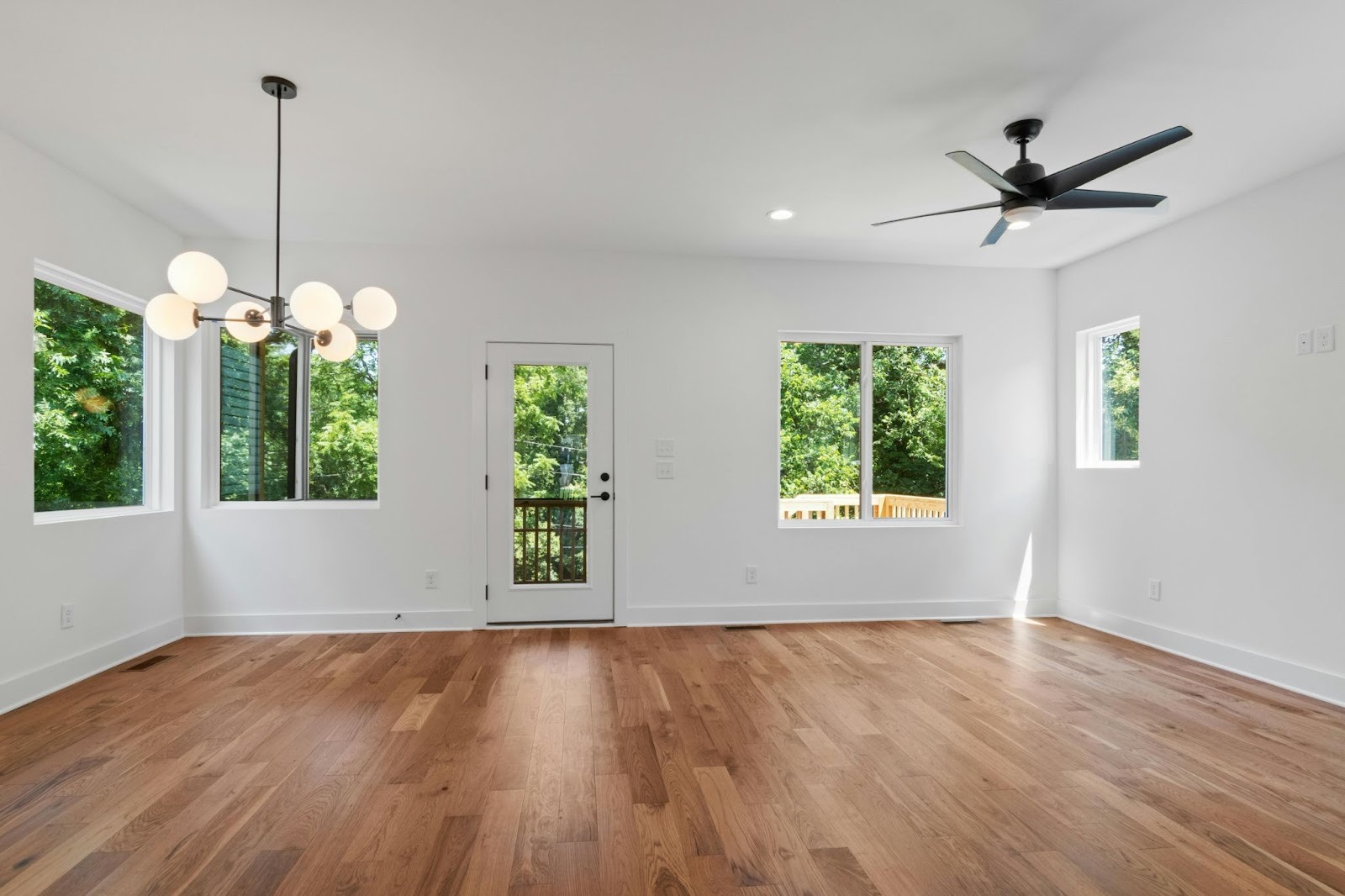
The risk of “Renovation vacancy”
A specific phenomenon in 2026 is vacancy, which is used as a tool to force tenants to leave. Landlords can decide not to rent out vacant homes in a block again, so that the tenants left behind feel isolated in a slowly decaying building.
This strategic vacancy makes it psychologically more difficult for the remaining tenants to claim their right to rent protection. They face a lack of maintenance in the communal areas and an overall sense of neglect. In this scenario, vacancy is not a logistical coincidence, but a means of pressure that undermines the tenant's legal position.
The negative effects of vacancy periods on tenants are therefore comprehensive. This is not only about the missed opportunity to find a home, but also about the financial damage caused by overlap, the physical decline of the living environment and the undermining of the social fabric in residential areas. In a healthy rental market by 2026, the focus should be on seamless transfer, where the resident's interests outweigh the owner's administrative conveniences.