February 7, 2026
How do the costs of a renovation build up?
24/4/2023
February 7, 2026
February 7, 2026

A renovation in 2026 is more than just a cosmetic procedure; it is a strategic investment in comfort, sustainability and home value. However, it is an open secret that renovations are almost always more expensive than initially budgeted. In a market where material prices fluctuate and specialized professionals have adjusted their hourly rates to inflation, insight into the cost structure is essential. If you understand the financial dynamics of a renovation, you can prevent the project from coming to a halt halfway due to an empty wallet.
In this article, we analyse exactly how a renovation budget was structured in 2026 and where the biggest “budget eaters” are hiding.
The basics: Demolition and disposal
Before anything can be built, it often has to be demolished. This is a cost that many underestimate because the result is “nothing”, an empty space.
- Labour and equipment: The rental of containers and the disposal costs of construction and demolition waste (BSA) rose sharply in 2026 due to stricter environmental requirements and landfill taxes. For a medium-sized container, you can quickly count on €450 to €600 at a time.
- Hidden Obstacles: During demolition, things often come to light that were not in the offer, such as asbestos (especially in homes built before 1994), leaking pipes or faulty electricity. The costs of remediation or necessary replacement are the first dent in the budget.
The invisible engine: Installation technology
The biggest costs of a modern renovation are often behind the walls or under the floor. In 2026, the focus will be heavily on the energy transition, which has increased installation costs.
- Electricity and group cabinet: With the arrival of heat pumps, induction cookers and charging stations, the group cabinet in almost every older home must be increased. A complete renewal of the electricity in an average home will cost between €4,000 and €7,500 in 2026.
- Plumbing and heating: Installing floor heating in combination with a (hybrid) heat pump is a significant investment. Where floor heating used to be a luxury, it will be the standard for efficient heating in 2026. The installation costs for a completely new heating system can range from €12,000 to €25,000, depending on power and surface area.
Structural work and insulation: The shell of the house
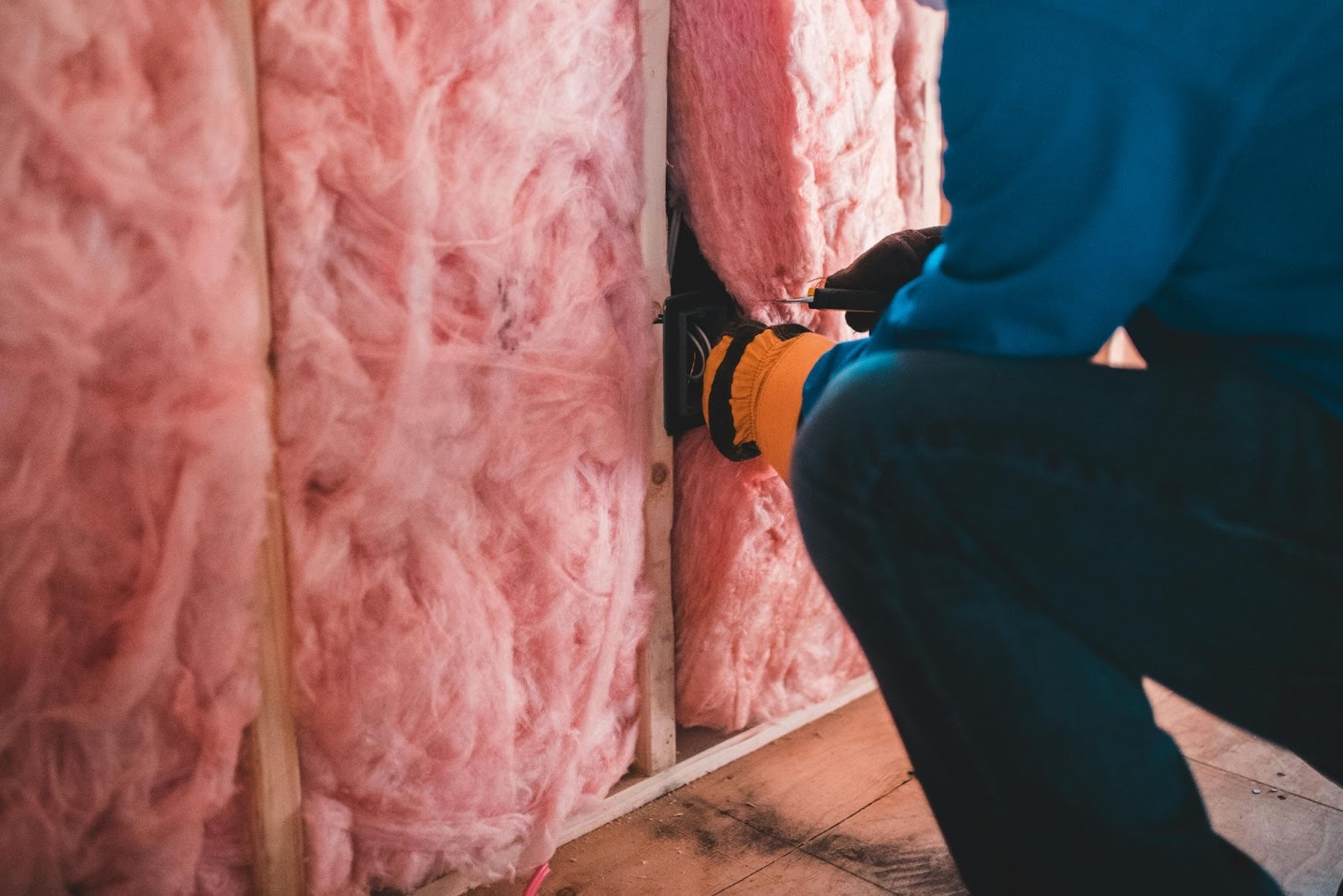
In 2026, insulation will no longer be optional, but necessary to meet standards and keep energy bills manageable.
- Insulating materials: The prices of high-quality insulation (PIR, glass wool or biobased materials such as flax) account for a substantial part of the material costs. Roof insulation from inside or outside, in particular, is an item that often exceeds €5,000 for a terraced house.
- Frames and glass: Replacing single glass or old double glazing with HR+++ (triple glass) is one of the most effective ways to become more sustainable. The costs for new plastic or wooden frames for an entire home will average between €15,000 and €25,000 in 2026.
The finish: From shell to atmosphere
Once the technical basis is in place, the finishing phase begins. This is when personal choices can drastically vary costs.
- Stucco and painting: Smooth plastered walls will be the norm in 2026. A plasterer charges an average of €20 to €35 per m² (including materials). For an entire home, this quickly adds up to an amount between €5,000 and €10,000.
- Floors and sanitary facilities: The choice between a solid laminate floor or a molded PU floor can mean a difference of thousands of euros. The same goes for the bathroom; a standard renovation starts at €12,000, but with luxurious taps, large tiles and a walk-in shower, this can easily go up to €20,000 or more by 2026.
The “Unforeseen” post and the 15% rule
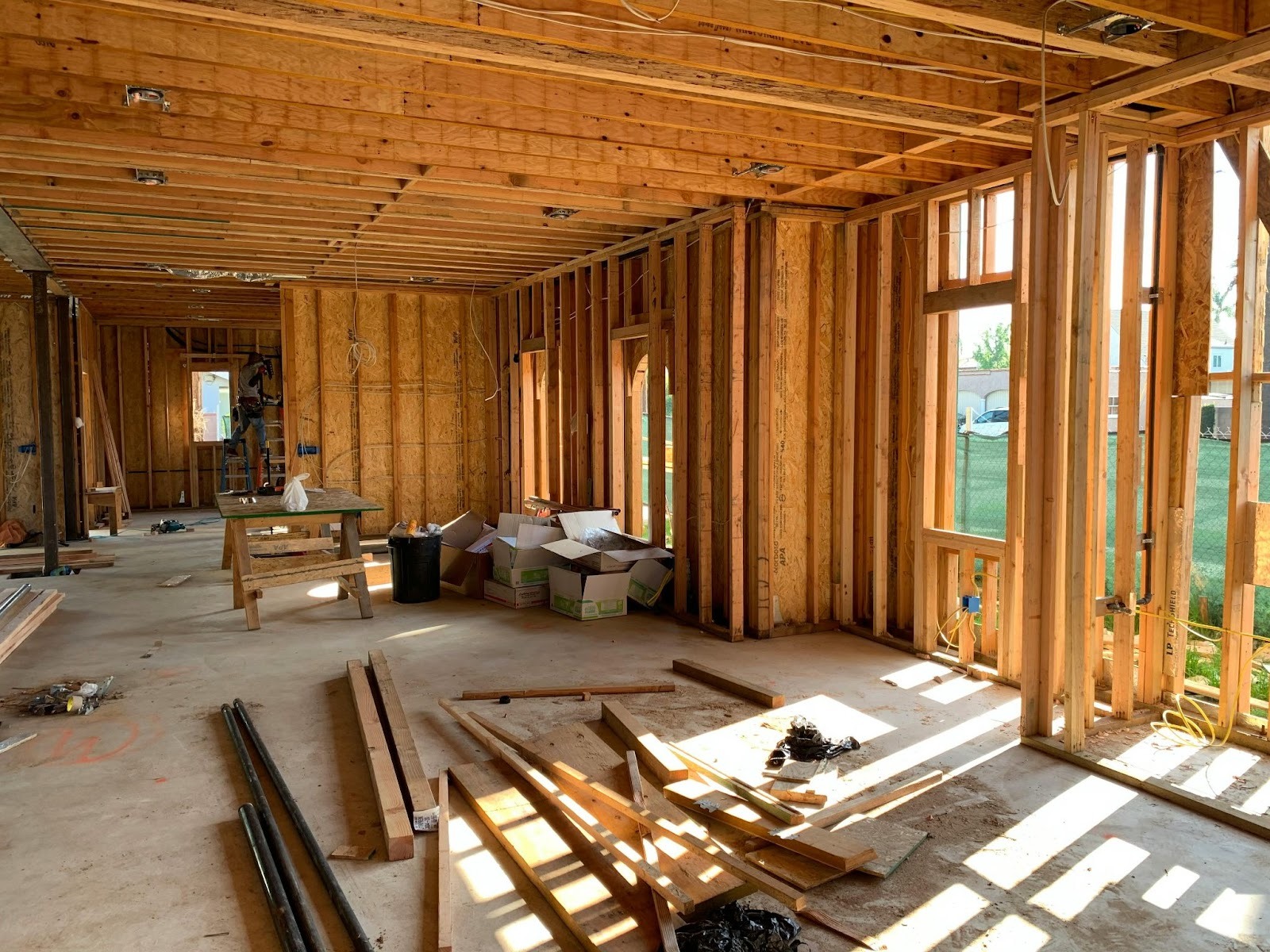
In 2026, the “unforeseen” mail will be more important than ever. By default, professionals recommend reserving 15% to 20% on top of the total quote price.
This buffer is not intended for luxury extras, but for the inevitable setbacks. Materials that are not available that require the purchase of an alternative (more expensive) product, or a construction error that only becomes visible during the renovation. Price increases during the project, which are often included in an indexation clause in the contracting agreement, are also paid from this buffer.
Indirect costs: The “forgotten” expenses
In addition to the contractor's bricks and hours, there are indirect costs that are often overlooked:
- Permits and fees: An environmental permit is required for extensions, dormers or structural changes. The municipality's fees can range from 1% to 3% of the construction price.
- Architect and constructor: For larger interventions, a construction calculation is mandatory. Hiring a constructor costs an average of €800 to €1,500 per report in 2026.
- Temporary housing: If the house is uninhabitable during the renovation, the costs for a temporary apartment or additional furniture storage space should be included in the budget.
Controlling financial dynamics
The costs of a renovation build up like a pyramid: a broad base of necessary technical interventions, followed by a layer of insulation and structural work, topped by the visible finish. In 2026, the trend is that “invisible” costs (installations and insulation) are taking up an increasing share of the total cake. Where the new kitchen used to be the biggest expense, this is now often the sustainability package.
By critically budgeting each phase of the renovation and taking into account this year's specific market conditions, you create a realistic financial framework. A renovation that stays within budget starts with an honest recognition of the real costs of labor and material.