February 7, 2026
How do property taxes affect buyers?
3/4/2023
February 7, 2026
February 7, 2026

When you buy a home in 2026, you will probably first look at the mortgage rate, the asking price and the state of maintenance. However, an often underestimated factor that influences the monthly costs and total affordability of a home is property tax (OZB). At a time when home prices in the Netherlands are reaching record highs and WOZ (Real Estate Valuation) values are rising, understanding the tax burdens for a buyer is essential.
The OZB is not a one-off purchase cost, such as transfer tax, but an annual obligation that directly affects your disposable income. In this article, we investigate how these taxes affect the buyer's position, how the calculations will be made in 2026 and what to look for when looking for a new home.
The direct impact on monthly charges
For a buyer, the OZB is a “fixed burden” that must be added to the financing budget. Although the tax is officially levied once a year, most homeowners factor this into their monthly budgeting.
- Percentage of the WOZ value: The amount of the OZB is determined by a percentage of the WOZ value of your home. Because the WOZ values in 2026 are linked to the market value of the previous year (the value reference date January 1, 2025), many buyers see their tax burden increase as house prices increase.
- Municipal differences: The OZB is a municipal tax. This means that the costs for an identical home in Nijmegen can differ significantly from those in Amsterdam or Enschede. For a buyer, choosing a specific municipality can therefore result in hundreds of euros a year in tax advantage or disadvantage.
Influence on the maximum mortgage and borrowing capacity
In 2026, banks and lenders will be stricter in assessing the overall burden. Although the OZB is not deducted directly from your maximum loan amount like student debt does, it is included in calculating the “viability” of your monthly payments.
When you buy a home with a high WOZ value in a municipality with a high OZB rate, this can reduce the buffer that you have left over for other expenses. Smart buyers therefore inquire about the current owner's current assessment notes as early as the viewing phase. In some municipalities, the OZB has increased by up to 10% to 15% to cover municipal budget deficits, which has a direct impact on what you can afford each month.
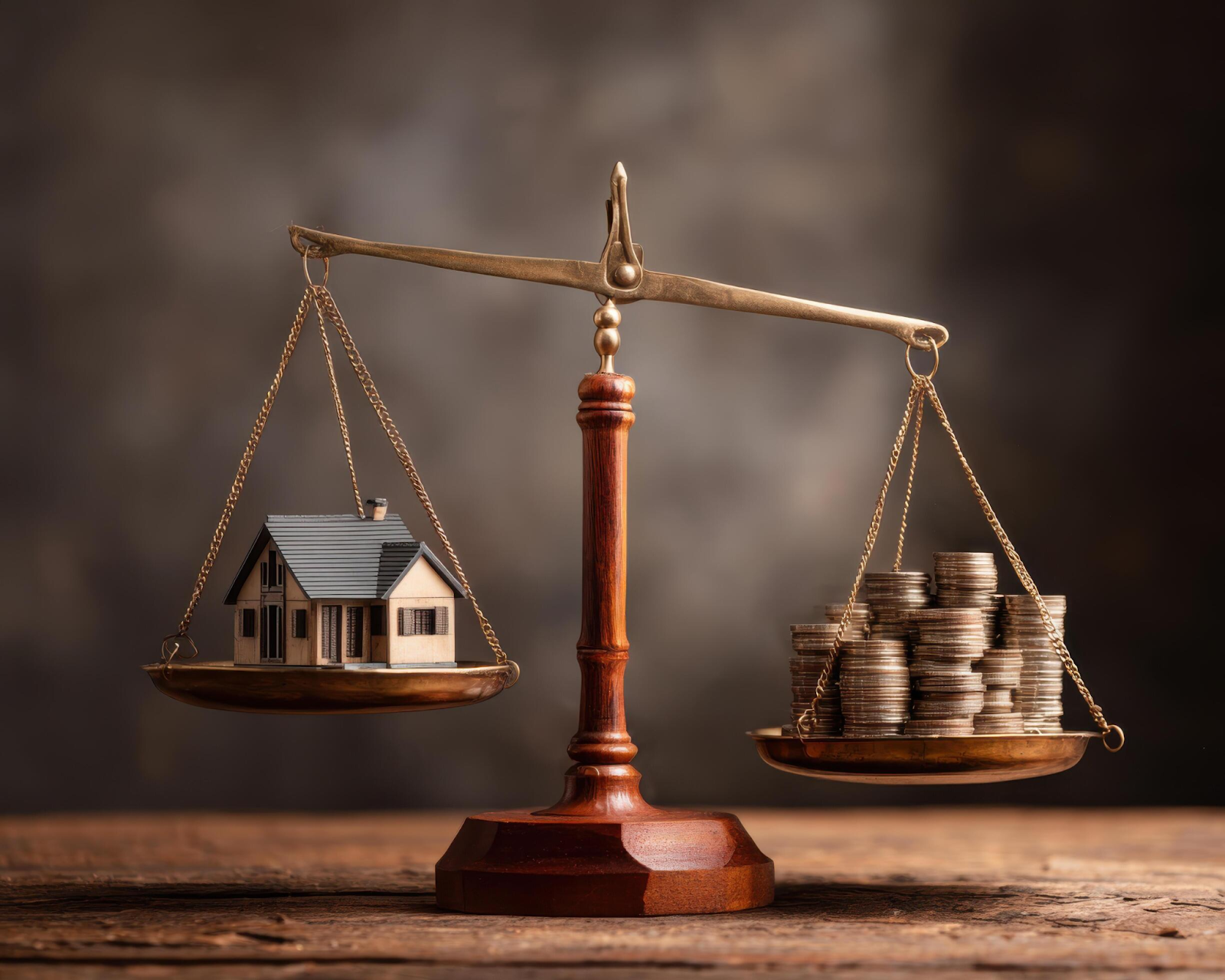
The psychological limit and the WOZ value
The WOZ value of a home has a dual role for buyers. On the one hand, you want a high value, because this often indicates a good investment and excess value. On the other hand, a higher WOZ value immediately means more tax.
- Private home flat rate: In addition to the OZB, the WOZ value also influences income tax via the home lump sum. This is a percentage of the WOZ value that is added to your taxable income. In 2026, now that the “Hillen Act” (the deduction for no or small home debt) is being phased out, buyers with a repaid or mostly repaid home will feel the impact of the WOZ value more and more strongly via the tax return.
- Appeal procedures: Many new buyers object to the determined WOZ value in 2026 immediately after the transfer. If you can show that the municipality has overestimated the value (for example due to defects that were not visible from the street), you will not only reduce the OZB, but also the home lump sum and water board taxes.
Local variations: The “Tax check” upon purchase
In 2026, we will see a trend where buyers include local tax rates in their choice of location. Commuters who hesitate between two neighboring municipalities, in particular, weigh the local burdens more heavily.
Municipalities with a lot of tourism or industry can often keep their OZB rates lower because they have other sources of income. On the other hand, “dormitory municipalities” with little local activity often have to close their budget through residents' property tax. For a buyer who cares for the little ones, moving across the municipal border can be an effective way to structurally lower the annual costs.

Settlement at the notary
When the transfer of ownership of a home takes place, there is a settlement of the business expenses. This is a specific moment when the buyer is directly confronted with the property tax.
The seller has usually already paid the OZB for the entire calendar year at the beginning of the year. This amount is deducted pro rata by the notary. If you receive the key on July 1, 2026, you will pay the seller back half of the annual OZB via the notary's bill. This is a cost that buyers often do not take into account in their “copper costs” budget, but which can amount to hundreds of euros for an expensive home.
Future expectations: OZB and sustainability
In 2026, many municipal councils will talk about “green OZB differentiation”. This is the idea that homes with a high energy label (A+++) would receive a lower tax rate than homes with a bad label. Although this has not yet been introduced nationally, it is already influencing the buyer market. A buyer knows that an energy-efficient home not only saves on the energy bill, but may also benefit from a tax advantage in the future.
In addition, water board taxes, which are often linked to the same WOZ value as the OZB, will rise sharply in 2026 due to the costs of dike reinforcement and water treatment. For the buyer, this means that “property-related taxes” will account for an increasing part of the total housing costs.
The effect of property taxes on buyers is therefore multifaceted: it affects direct cash flow, tax returns and even the strategic choice of a specific place of residence. A well-informed buyer looks beyond mortgage rates and understands that the municipality is a silent but permanent partner in their home ownership.