February 7, 2026
How do municipal taxes vary by area?
9/5/2023
February 7, 2026
February 7, 2026

When you buy or rent a home in 2026, you often look at the basic rental price or the monthly mortgage costs. However, one item that is often overlooked but has a significant impact on disposable income is municipal taxes. In the Netherlands, each municipality has the autonomy to set its own rates for services such as waste treatment, sewerage and property ownership. This will lead to a remarkable geographical disparity in 2026: for exactly the same home in another city, the annual tax bill could be hundreds of euros higher or lower.
Understanding these differences is essential for anyone considering a move or who wants to budget their annual housing costs accurately. In this article, we analyse why these differences exist and which factors determine the level of local charges in 2026.
Real estate tax (OZB): The big variable
The OZB is the best-known municipal tax for homeowners. The amount you pay is a percentage of the WOZ value of your home. The venom, however, lies in the fact that each municipality can set this percentage (the rate) itself.
- Policy versus Value: In municipalities with very high home values, such as Amsterdam or Bloemendaal, the OZB rate can be relatively low, while the ultimate revenue for the municipality is still high. Conversely, in 2026, we will see that municipalities in shrinking regions or areas with lower home values will often have to significantly increase their rates to get their budgets closed.
- Financial health of the municipality: Municipalities that have to deal with high expenses in the social domain (such as youth care and Wmo) will more often use the OZB as a closing point in 2026. As a result, moving from one neighboring municipality to another can lead to a jump in OZB costs of up to 20% to 30%.
Waste tax: The price of sustainability
The waste tax is a tax that every resident pays, whether you rent or buy. The differences per area here in 2026 are extremely large due to the chosen treatment methods and the local policy concerning waste separation.
In cities that work with 'Diftar' (differentiation of rates), you pay each time you offer waste. This can be beneficial for small, conscious households. Other municipalities use a fixed rate per household or distinguish between single and multi-person households. The costs will range in 2026 from approximately €250 in efficient municipalities up to more than €550 per year in areas where processing is more complex or where there is less separation. The presence of own waste incineration plants in the region also plays a role in the cost that is passed on to citizens.
Sewer charge: The invisible infrastructure
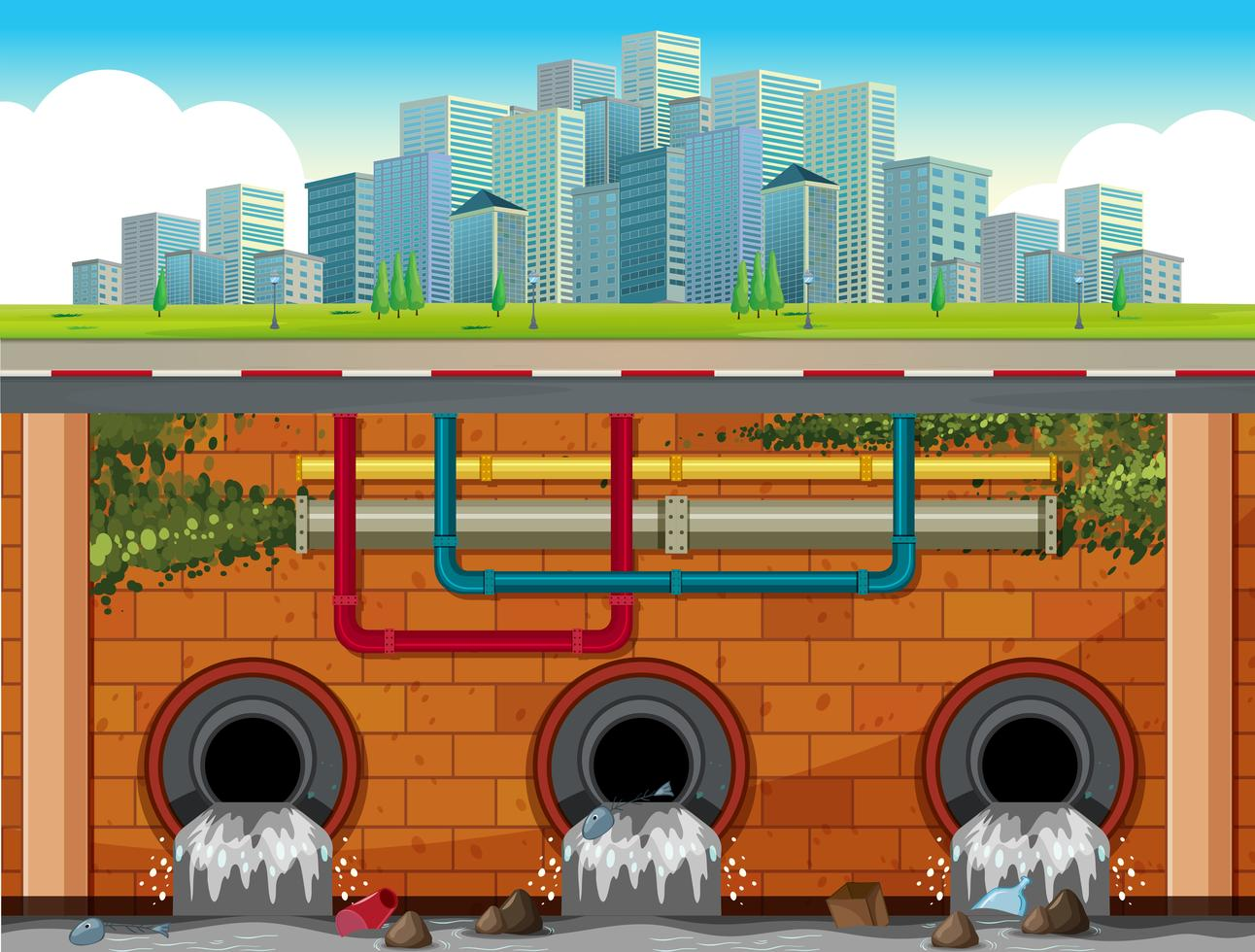
The sewer charge covers the costs of managing the sewer system and groundwater. This is a typical example of a tax that depends heavily on the soil conditions and history of the region.
- Soil conditions: In peatlands or areas with a lot of subsidence (such as parts of the western Netherlands), maintaining the sewer system is much more expensive than on sandy soils in the east. The tubes sag more quickly and need to be replaced more frequently.
- Investment cycle: When a municipality is in the middle of a major sewer replacement project in 2026, the rates often rise temporarily for residents. This explains why residents in a relatively 'cheap' municipality can suddenly be confronted with a significant increase.
Water board taxes: The fight against water
Although strictly speaking no municipal tax, water board taxes are often collected together with municipal taxes. In 2026, these costs became a dominant factor in housing costs due to the massive investments in dyke reinforcement and climate adaptation.
The differences per area are determined here by the water board where you live. If you live in an area that is deep below sea level, you contribute to the pumps and dikes that keep your feet dry via the system levy. The treatment charge, based on the number of “pollution units” (usually 1 for singles and 3 for families), varies by water board based on the efficiency of their treatment plants. The annual differences between water boards can amount to more than €150 per household.

The influence of tourism and business
One factor that is often overlooked when comparing areas is the presence of other sources of income for the municipality.
Cities with a lot of tourism, such as Amsterdam or the Zeeland coastal municipalities, derive considerable income from the tourist tax. In some cases, this enables the municipality to keep the burdens for its own residents (such as the OZB) lower. Municipalities with large industrial parks or many head offices can also benefit from higher income from the OZB for non-homes, which can alleviate the pressure on private households. In 2026, however, we will see that this balance will shift, because the costs of social services in urban areas often rise faster than this additional income.
How to compare local taxes before moving
In 2026, it is advisable for residents not only to calculate the 'bare' housing costs when moving, but to make an overall picture. Various online tools and the annual “Atlas of Local Charges” provide insight into the average pressure per municipality.
Moving from an apartment in a cheap municipality to an equivalent home in an expensive municipality can mean, at the bottom of the line, that you have to pay monthly 40 to 70€ has less to spend, purely because of local taxes. At a time when every euro counts, the municipal tax burden has become a strategic factor when choosing a place to live. It pays to request the rates of the waste tax and the OZB from the relevant municipality before making a final decision about your new home.