February 7, 2026
How do maintenance costs compare long-term?
11/8/2024
February 20, 2026
February 20, 2026
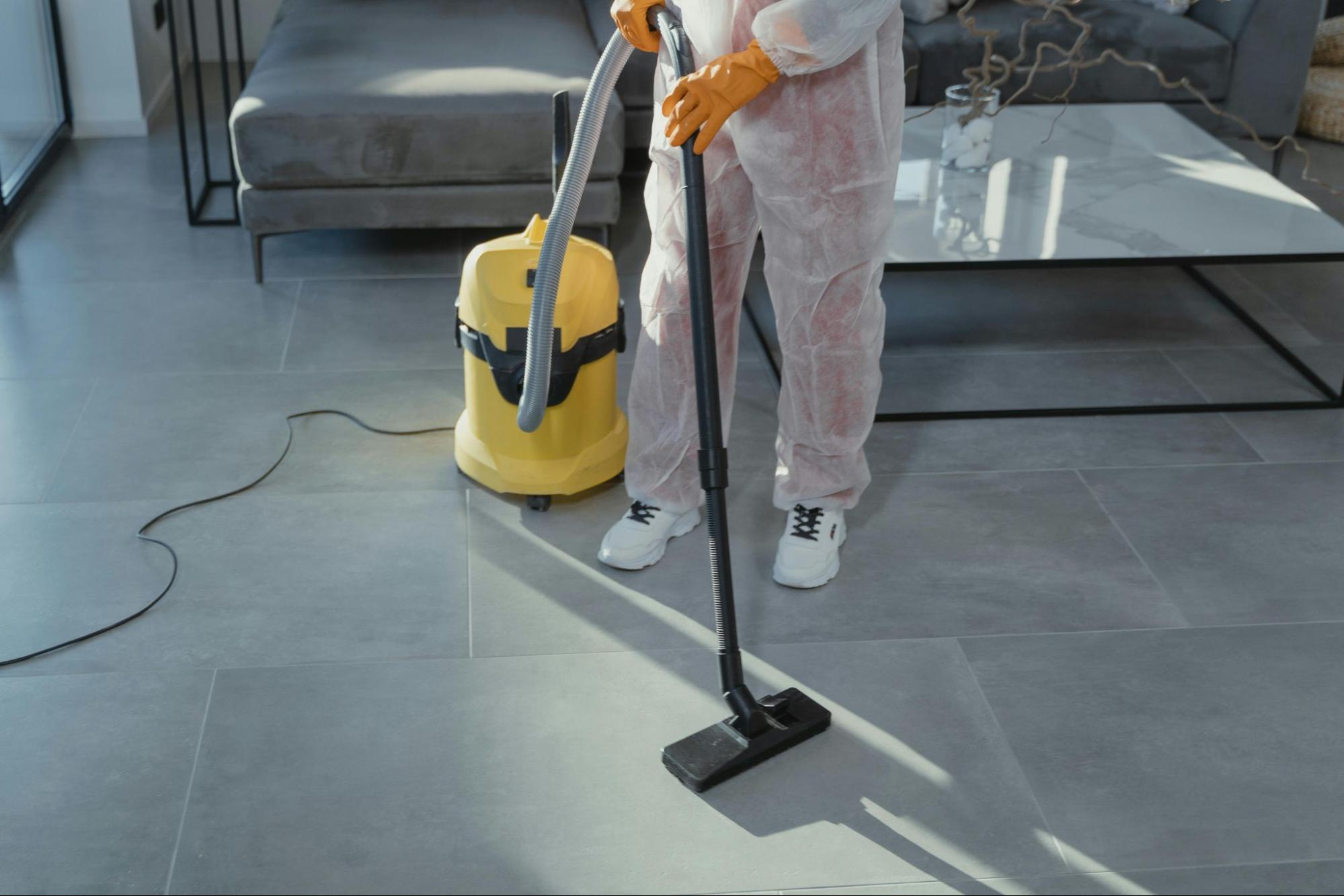
When people compare renting and buying, maintenance is often treated as a vague footnote. Renters assume owners constantly pay for repairs. Buyers assume maintenance is occasional and manageable. The reality in the Netherlands sits somewhere in between, and it only becomes clear over time.
Maintenance costs aren’t just about money. They’re about predictability, responsibility, and how much uncertainty you’re comfortable carrying year after year. Looking at them long-term reveals why maintenance feels very different depending on whether you rent or own.
Renting hides maintenance costs
Renters often feel insulated from the financial impact of maintenance because they are not the ones paying the repair bills directly. When a heating system fails or a leak occurs, the landlord is responsible for arranging the professional fix and covering the associated costs.
This creates a common perception that maintenance is a free benefit for tenants, but in reality, these expenses are factored into your monthly rent. Over the long term, you are still paying for the upkeep of the building, but you benefit from a predictable cost structure rather than facing sudden, large expenses.
Ownership concentrates costs
For homeowners, maintenance costs do not follow a smooth monthly schedule; instead, they arrive in irregular and often expensive clusters. You may go several years with almost no repair needs, only to face a significant bill for roof work, window frame replacement, or a new boiler in a single season.
This uneven pattern is what frequently surprises first-time buyers in the Netherlands, where the average annual maintenance budget should be roughly 1% of the home's value. Ownership does not necessarily cost more than renting over a decade, but it requires much more disciplined financial planning to handle these peak years.
Older Dutch homes need stewardship
The age of a property is a primary factor in its maintenance burden, and many sought-after Dutch homes are decades or even centuries old. While these buildings are often structurally sound, their various components like foundations, insulation, and facades all age on different timelines and need consistent care.
Renters experience these necessary upgrades passively, often only noticing them when they are completed by the property owner. For owners, maintenance is less about responding to emergencies and more about a steady commitment to stewardship to prevent minor issues from turning into catastrophic repairs.
Apartments and collective costs
Apartment owners often assume they will face lower maintenance burdens, but shared ownership simply changes how the costs are distributed. While you share the price of a new roof or elevator repair with your neighbors, you are still legally responsible for your portion of the total building upkeep.
In 2026, Dutch VvEs (Homeowners Associations) are legally required to maintain a reserve fund, often saving at least 0.5% of the building's rebuilding value each year. The real difference is predictability; a well-managed VvE uses a Multi-Year Maintenance Plan (MJOP) to ensure that collective costs are spread out evenly over time.

Energy efficiency shifts maintenance
Energy upgrades change the long-term maintenance picture by shifting focus from simple repairs to managing complex systems. While insulation and double glazing reduce immediate energy bills, high-tech heat pumps and solar arrays introduce specialized maintenance needs that can be expensive to address if they fail.
For owners, this requires a shift in budgeting to account for the eventual replacement of these efficient but costly systems. Renters typically experience these efficiency gains through more stable monthly utility costs rather than one-time repair bills, though their rent may be adjusted to reflect the building's improved energy label.
Small fixes add up quickly
Maintenance is not just about major structural projects; it is also composed of countless small tasks like painting, replacing seals, and clearing drains. While each individual fix might be manageable, they collectively form a significant portion of your total housing expenditure over a decade or more.
Renters rarely notice this steady accumulation because the costs and labor are handled entirely by the property owner. For homeowners, these "minor" items require constant attention and small financial outlays that, when added up, shape the true cost of long-term ownership far more than the occasional major renovation.
Time is an invisible cost
The costs of property maintenance are not purely financial; they also demand a significant investment of your personal time. Owners must spend hours researching contractors, comparing quotes, and overseeing work, a responsibility that can be particularly draining during busy life phases.
Renters effectively "buy back" this time by outsourcing all coordination and decision-making to their landlord. Over twenty years of ownership, the time spent managing a property becomes a significant invisible line item that defines the practical difference between a hands-off rental and a hands-on home.
Normalizing the rhythm of repairs
Experienced homeowners eventually adapt to the uneven nature of maintenance by viewing it as a predictable rhythm rather than a series of unexpected crises. They develop a "maintenance mindset" where buffers are built into the family budget and repairs are treated as scheduled updates.
This psychological adjustment usually takes several years of ownership to develop as you align your expectations with the reality of your property's needs.
Paying with money or planning
Over several decades, both renters and owners pay for the upkeep of their homes, but they pay in fundamentally different ways. Renters pay with money through higher monthly rates and annual increases, while owners pay with careful planning and personal responsibility for direct expenses.
The total financial gap between the two is often smaller than people expect; the real distinction lies in who controls the timing and the execution of the work.
When maintenance feels heavier than expected
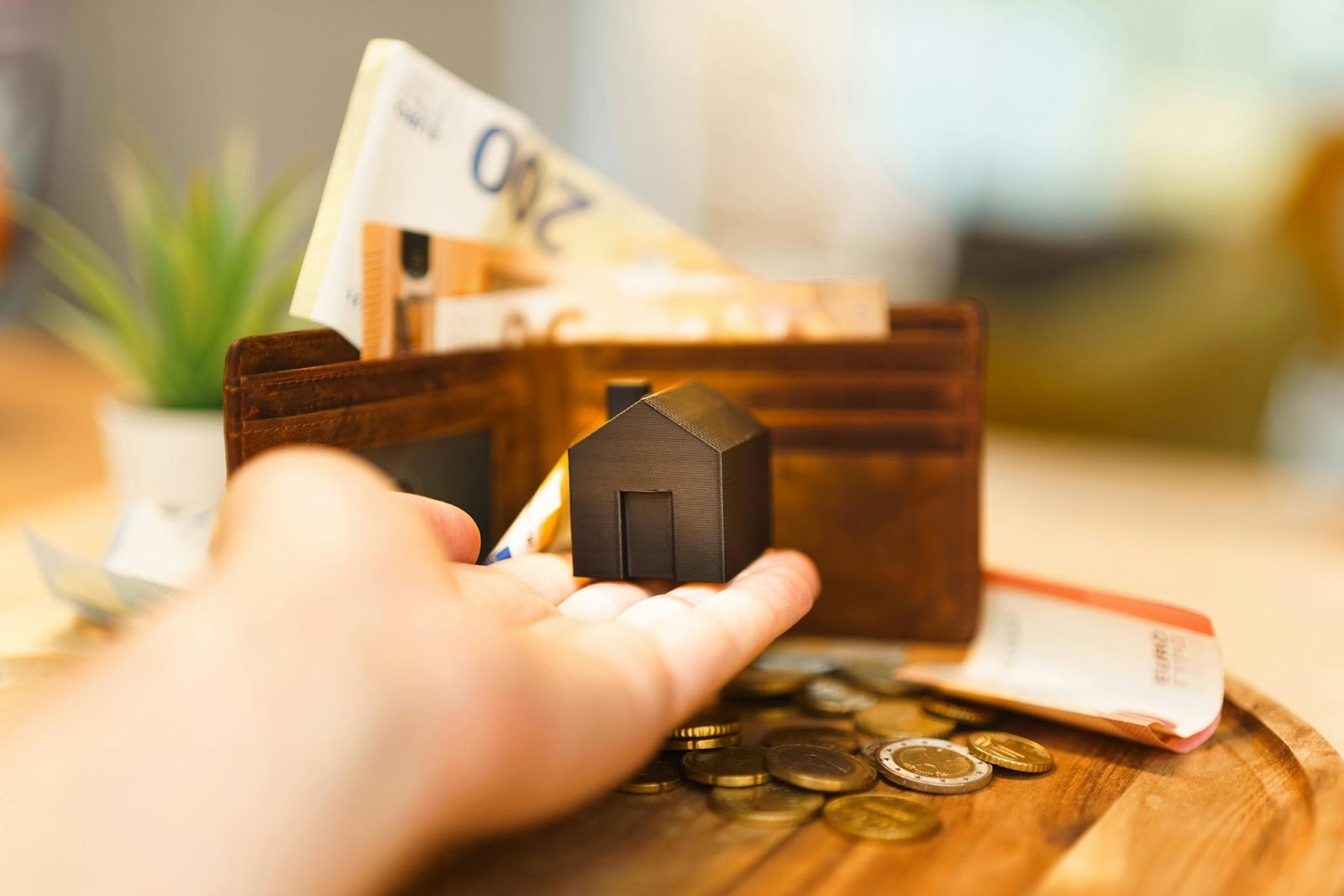
Maintenance feels most burdensome when buyers enter ownership without a sufficient financial margin. Those who stretched their budgets to the limit or underestimated the specific needs of an older property often feel the pressure of repair bills much sooner.
In 2026, the Dutch Homeowners' Association (VEH) reports that municipal housing costs alone including property tax (OZB) and sewage levies have exceeded €1,000 annually for the first time. The stress of ownership is often less about the property itself and more about the lack of a financial buffer to absorb these rising costs.
Long-term comparison and your timeline
The financial logic of property maintenance changes significantly depending on how many years you intend to stay in the home. Short-term owners often feel the full weight of transaction costs and repairs without enough time for property appreciation to offset the expense.
For long-term owners, these costs are spread out both mentally and financially over a decade or more. While renting remains the more efficient choice for shorter horizons, ownership provides a stable foundation where time eventually smooths out the impact of even the largest maintenance projects.
Visibility over concentration
Over the long term, maintenance costs do not disappear; they are simply managed differently depending on whether you rent or buy. Renting spreads these costs out into a predictable monthly fee, while buying concentrates them into visible and sometimes large one-time payments.
Neither path is inherently cheaper in 2026, as both experiences reflect the same underlying reality of aging housing stock and rising service costs.