February 7, 2026
How do location costs tip the balance?
20/9/2024
February 20, 2026
February 20, 2026
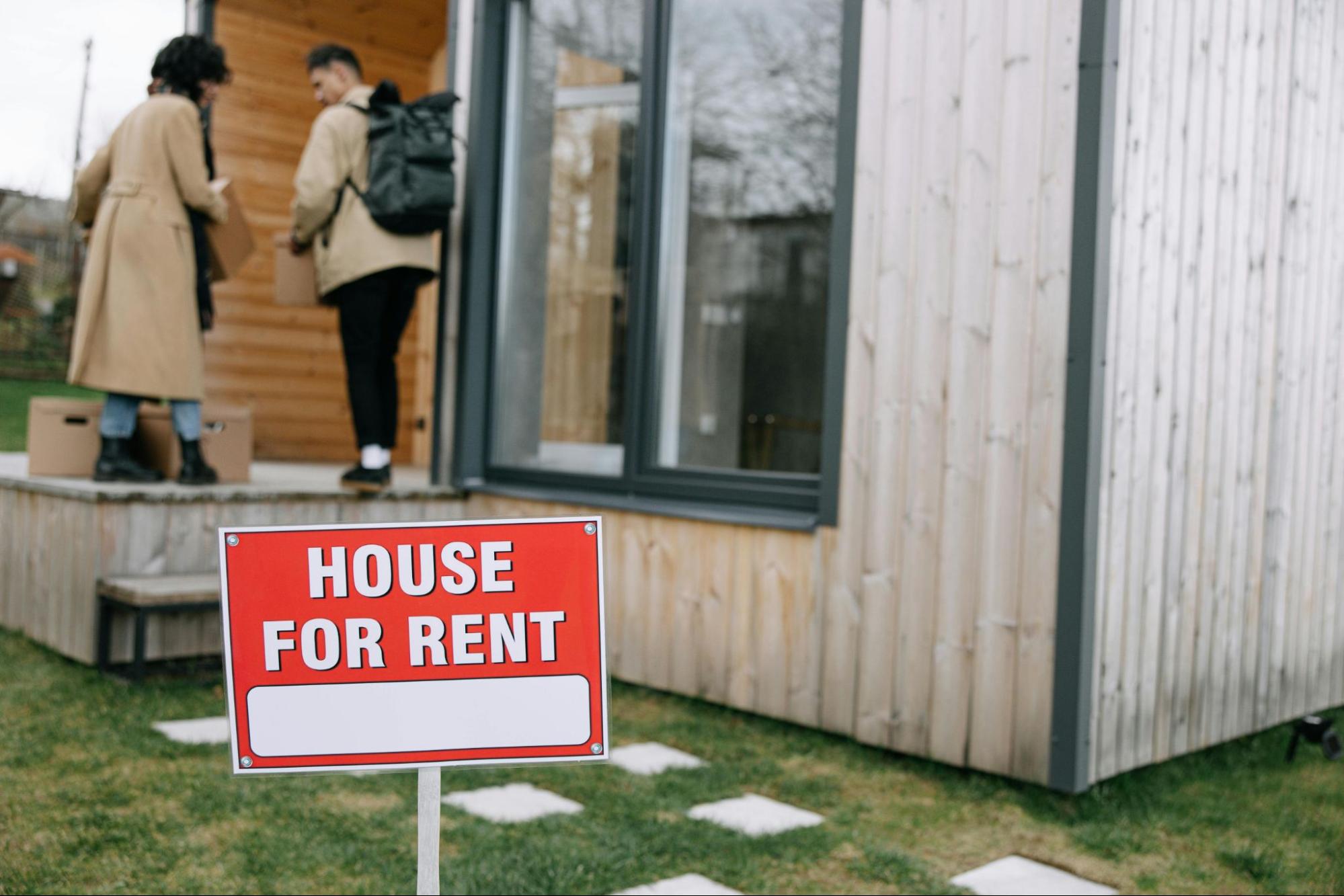
When people compare renting and buying, they often focus on the home itself, size, price, and monthly payment. What quietly tips the balance more often is location cost. Not just the price of the property, but everything that comes with living in that place.
In the Netherlands, where housing markets differ sharply by city and even by neighborhood, location costs can completely change which option makes sense. Two identical homes can produce very different financial and lifestyle outcomes depending on where they’re located.
Purchase price reflects location first, not housing quality
Location is the strongest driver of property prices in the Netherlands, with central or well-connected areas commanding a significant premium regardless of the home's size or condition. Buyers often find themselves accepting smaller or older properties just to secure a preferred neighborhood.
This trade-off can push initial buying costs well above your original expectations, often tipping the balance toward renting in areas where ownership premiums are exceptionally steep. In such markets, location effectively compresses the value you get for your money.
Rent absorbs location premiums differently from buying
Renters experience the cost of a prime location through their monthly payments, which adjust incrementally over time as the market changes. This allows for a more fluid relationship with high-demand areas without the need for a massive upfront financial commitment.
Buying concentrates these same location premiums into the purchase price and a long-term debt obligation. For those with limited liquid capital, the monthly cost of a rental can be much easier to manage than the heavy upfront investment required to buy in a popular hub.
Commuting costs are part of housing costs
Your choice of location directly determines your daily commute, and living further out to save on housing often leads to higher transport expenses and significant time loss. These hidden costs can quickly erode the perceived savings of a cheaper property far from the city.
Renters have the advantage of being able to adjust their location relatively quickly as their work patterns or office locations change. Buyers, however, must absorb the friction of a commute even if their employment situation shifts unexpectedly.
Local taxes and charges vary by area
Municipal costs like property taxes (OZB), waste disposal fees, and parking permits differ significantly between Dutch municipalities. In 2026, homeowners in some areas may face municipal bills exceeding €1,000 per year as local governments hike rates to cover budget shortfalls.
While buyers carry these recurring expenses directly, renters usually experience them as an indirect part of their total rent. In some cities, these extra layers of cost can materially affect the overall affordability of owning versus renting.
Amenities create value, but also cost
Living near schools, parks, and high-quality public transport increases both the desirability and the price of a home. Buyers pay for this convenience upfront through a higher purchase price and then continuously through their mortgage interest.
Renters essentially pay for the same access only while they are actually staying in the area. Deciding whether you want to own permanent access to these amenities or simply pay for their use during a certain life phase helps define the best choice for you.

Rental supply varies more by location than ownership supply
Some locations in the Netherlands are heavily weighted toward rental properties, while others have a very limited rental stock but a larger volume of owner-occupied homes. This local imbalance dictates not just the cost of housing, but your actual freedom of choice.
In areas where rentals are scarce, buying may become the only realistic way to secure a home in that specific neighborhood. Understanding the local availability is often just as important as calculating the price when making your final decision.
Long-term value growth is uneven across locations
Property values do not grow equally across all Dutch regions, and buying in an area with strong long-term demand can eventually offset higher initial costs. In 2026, price growth is expected to vary between 3% and 6% depending on local market pressure.
Renting in an uncertain or slower-growth location allows you to avoid the risk of concentrated financial exposure. Since location determines your risk, renting can serve as a protective strategy while you wait for a more stable market to emerge.
Lifestyle fit can outweigh pure cost calculations
The specific atmosphere of a location including noise levels, safety, and community feel—has a profound impact on your daily well-being. Buying a cheaper home in an area that does not suit your lifestyle can reduce your quality of life, even if the numbers look smart.
Renting provides the necessary buffer to test a neighborhood's fit before committing your entire financial future to it. Over time, finding a place that truly supports your daily habits matters much more than simply finding the lowest price.
Emotional attachment increases with location investment
Buying a home naturally deepens your emotional connection to a place as it becomes a core part of your personal identity. Once you own property, the prospect of moving away often feels much more difficult than it does when you are simply renting.
This emotional investment adds significant weight to your location choice and can make you less mobile in the future. It is worth considering how much you value being able to pull up stakes versus having permanent roots in one spot.
Short stays magnify location cost inefficiency
If you only plan to stay in a home for a brief period, high location premiums can be very difficult to justify financially. The transaction costs and high entry prices of a purchase take much longer to break even than many buyers initially realize.
Renting absorbs the premium of a great location without exposing you to the risks of a short-term market downturn. Your intended time horizon is a primary factor in determining whether paying a location premium will actually pay off.
Location flexibility favors renters in dynamic phases
During dynamic life phases like early career growth or starting a family, your location needs can change very rapidly. Renting allows you to adapt to these shifts with much more agility than ownership, which requires a slow and costly exit process.
Buying works best when your location needs have settled and you can clearly envision staying in the same area for at least five to seven years. Aligning your housing type with your current level of flexibility prevents you from feeling trapped.

The balance shifts as priorities stabilize
As your personal and professional priorities stabilize, the way you view location costs will likely begin to evolve. Long-term buyers are often willing to accept higher costs in exchange for the permanence and predictability of a fixed home base.
Renters may also find themselves seeking ownership once they achieve a high degree of geographic certainty and local connection. The balance between renting and buying is never fixed; it evolves alongside your life and your changing needs.
Timeline over price
Location costs tip the rent-buy balance because they shape both finances and daily life. In high-demand areas, renting can preserve flexibility and reduce upfront exposure. In stable, well-understood locations, buying can make sense over time. The right choice isn’t about finding the cheapest option. It’s about understanding what you’re paying for, and how long you plan to pay it. When location fits your life and timeline, the balance becomes clearer.