February 5, 2026
How do I check a property's flood risk?
22/6/2024
February 19, 2026
February 19, 2026
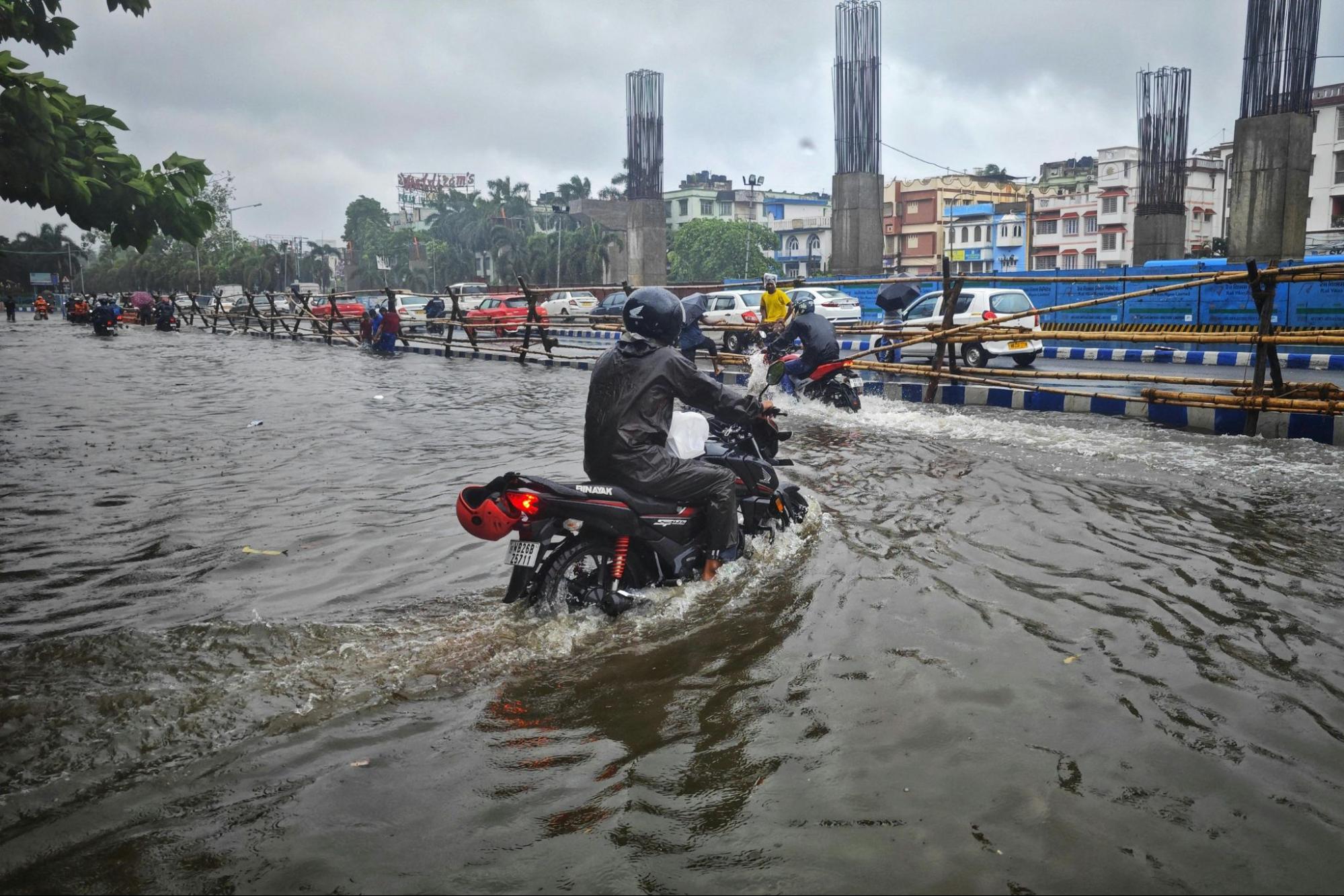
In the Netherlands, water is never far away, and that’s not just a poetic statement. When you are buying a home, flood risk is one of those topics people mention casually, but rarely explain properly. You might hear “the Netherlands is well protected” and assume that’s the end of the story. It isn’t.
Flood risk here is managed extremely well, but it’s also layered, local, and nuanced. Knowing how to check it doesn’t mean fearing catastrophe. It means understanding how water interacts with a specific location, and what that means for your peace of mind and long-term ownership.
Water risk defined
Flood risk in the Netherlands rarely involves sudden river bursts that submerge homes overnight. It typically refers to a mix of land elevation, local drainage capacity, and the resilience of the area against groundwater or extreme weather.
Because much of the country sits below sea level, water is managed through a complex network of dikes and pumping stations. Checking the risk for a home is about understanding these technical systems rather than fearing a sudden natural disaster.
Use official maps
The most reliable way to assess water safety is through detailed flood risk and water depth maps provided by the government. These resources show how deep water could reach in extreme scenarios and which areas are protected by national dikes.
Data from organizations like Rijkswaterstaat helps coordinate this information to show potential conditions under specific circumstances. These maps do not predict exactly what will happen but illustrate the physical vulnerabilities of a particular location.
Elevation vs proximity
Being close to a canal or river does not automatically mean a property carries a higher risk than inland locations. Many waterfront areas are heavily reinforced and elevated, while inland spots might struggle with poor drainage or rising groundwater levels.
The height of the land relative to the surrounding streets plays a much larger role in safety than distance to the water. Homes that sit slightly lower than the sidewalk are more prone to water accumulation during heavy rainfall events.
Types of flooding
Coastal and river flooding are managed at a national level through massive infrastructure projects like the Delta Works. In contrast, rainfall flooding is a local issue that occurs when city drainage systems cannot handle intense and sudden downpours.
For many buyers, these local rainfall issues are more relevant for daily life than the rare threat of a dike breach. Basements and crawl spaces are the most vulnerable spots when a local sewage system becomes overwhelmed by rain.
Groundwater and drainage
Some neighborhoods struggle with high groundwater levels even when there is no surface flooding visible. This persistent issue can lead to damp basements, mold growth, or even foundation stress if the water remains for long periods.
Asking current owners or neighbors about their experiences after heavy storms can reveal patterns that official maps might miss. Everyday water problems are often a better indicator of property quality than abstract risk categories for rare events.

Local water boards
Water management is decentralized in the Netherlands, with local water boards and municipalities handling the daily maintenance. Looking into planned infrastructure projects can show how much a city is investing in making a neighborhood more resilient.
Active investment usually signals that the area is being improved to handle future climate challenges more effectively. Well managed water systems often go unnoticed but they add significant quiet value to the surrounding real estate.
Building design clues
The way a house is constructed often provides hints about the local water realities and how the building responds. Features like raised entrances, sealed crawl spaces, and visible drainage channels indicate that the property was designed with water in mind.
These architectural choices should be seen as positive adaptations rather than red flags for potential buyers. A home that acknowledges its environment is much less likely to experience unexpected issues during a typical Dutch winter.
Insurance risk signals
Insurance availability and premium terms often reflect the real world risk assessment for a specific postcode. If securing a standard policy is simple and inexpensive, the flood risk is generally considered very low or well managed.
If an insurer asks for extra documentation or imposes specific exclusions, it is worth investigating the underlying cause. While insurance does not define the physical risk, it reflects how the financial industry perceives the safety of the area.
Livability vs catastrophe
Focusing only on worst case flooding scenarios can lead to unnecessary anxiety for first time buyers. You are much more likely to encounter livability issues like damp walls or slow drainage after a typical storm.
Checking the risk should help you understand if daily life will be impacted by moisture or minor flooding. Practical impact on your comfort and maintenance budget matters more than theoretical risks that occur once every century.

Long term climate
Climate change does not mean immediate danger, but it does shift the long term assumptions about housing safety. Heavier rainfall and rising sea levels will put more pressure on existing drainage systems over the coming decades.
Buying with a long term view means checking if a neighborhood is adapting its systems or relying on outdated methods. The direction of local change is a key factor to consider when planning to stay in a home for a long time.
Awareness vs alarm
Investigating water risk is a routine part of buying a Dutch home and should not be a cause for alarm. Most homes are extremely safe because the national water management systems are among the best in the world.
The goal of this research is to avoid surprises rather than to rule out every property in a low lying area. When you understand the facts, water risk becomes a manageable factor instead of a source of vague worry.
Informed decision making
Flood risk rarely serves as a reason to cancel a purchase, but it should inform how you evaluate a property. It might influence your plans for a basement renovation or change your expectations for future foundation maintenance.
The objective is to find alignment between a specific home and your personal tolerance for water related maintenance. Once the risk is known and understood, it loses its power to disrupt your journey toward homeownership.