February 7, 2026
How do housing prices typically run in Amersfoort?
24/12/2024
February 20, 2026
February 20, 2026
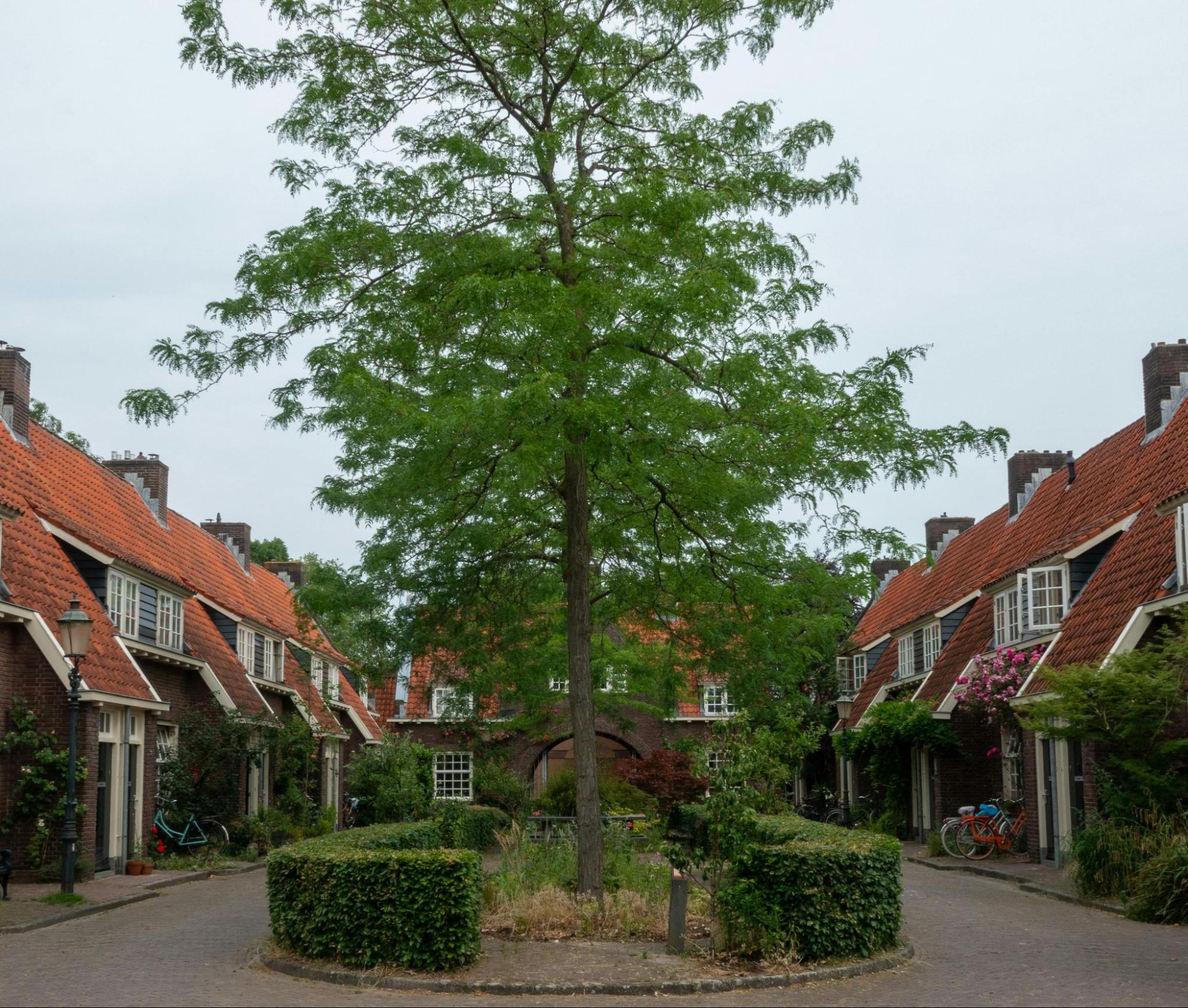
Amersfoort often sits just outside the loudest housing conversations, yet prices there consistently spark curiosity. It’s not as expensive as the biggest Randstad cities, but it’s also far from “cheap.” What makes Amersfoort interesting is how balanced its price levels feel once you look beyond headlines and compare them to daily life. Understanding how prices run in Amersfoort means looking at trends, neighborhoods, and what you actually get for your money, not just the number on a listing.
Prices sit between major cities and smaller towns
Amersfoort maintains a unique position as a gateway city, offering prices that are significantly more approachable than those in Amsterdam or Utrecht. In February 2026, the average transaction price in the city sits at approximately €567,000, which is nearly €73,000 lower than the average in the capital.
This pricing structure allows families and young professionals to access urban amenities without the financial strain of top-tier city premiums. It attracts a demographic that values realistic long-term planning, where the cost of living is balanced with proximity to major job hubs.
Buying prices reflect livability more than hype
Real estate values in this region are primarily driven by the quality of the surrounding environment and the reliability of local infrastructure. Homes are priced based on tangible factors such as square footage and neighborhood safety rather than the emotional bidding frenzies seen in more transient markets.
This stability creates a predictable environment for buyers who are looking for a permanent home rather than a short-term investment. You can generally expect a market where expectations align with reality, fostering a sense of security in your financial commitment.
Family homes offer stronger value per square meter
Families moving here often find that their budget stretches much further, particularly when looking for terraced or corner houses with private gardens. The average price per square meter in Amersfoort is currently around €5,356, offering a spaciousness that is hard to find in the dense Randstad core.
The availability of extra rooms and quiet residential streets makes the city a major driver of demand for growing households. Having this additional physical space reduces daily pressure and provides a higher quality of life for all members of the family.
Apartments remain accessible but vary widely
The apartment market offers diverse entry points, ranging from historic units in the center to modern developments in the newer districts. While central apartments command a premium due to their charm and walkability, peripheral units remain an accessible option for first-time buyers.
This variety ensures that individuals can enter the property market without having to leave the city boundaries entirely. Flexibility in terms of location and building age can lead to significant savings while still providing a high standard of urban living.
Neighborhood choice matters more than overall averages
Looking beyond city-wide statistics is essential, as individual neighborhoods offer vastly different price points and atmospheres. Areas with high-quality schools or direct access to green belts typically see higher demand and more resilient property values.
By focusing on specific granularity within the city, you can often find hidden value in neighborhoods that offer similar housing quality at a lower cost. Understanding these local differences is the most effective way to save money while securing a home that matches your specific lifestyle needs.

Rental prices feel competitive but manageable
Renting in Amersfoort is not inexpensive, but it is certainly less intense than in the primary Randstad hubs. In 2026, a high-quality apartment with an A++ energy label typically rents for around €1,700 per month, a figure that often buys significantly more space and modern comfort than a similar price point in Amsterdam.
Viewings and decision timelines tend to be less frantic, allowing you to secure longer-term options without the constant pressure of a rapidly shifting market. This increased predictability is a major factor in long-term affordability, as it reduces the frequency and costs associated with forced moves.
Price growth has been steady rather than explosive
Unlike some cities that experienced sharp spikes and sudden corrections, Amersfoort has maintained a trajectory of steady growth. Most major banks, including ABN AMRO and Rabobank, anticipate that this year will bring a more balanced market with lower volatility.
This environment is ideal if you are looking for long-term stability rather than a quick speculative gain. A steadier market supports calmer decision-making, ensuring that your home remains a solid financial foundation rather than an emotional gamble.
Commuter demand supports pricing resilience
The city’s connectivity is a primary driver of its sustained property value. With over 100 trains per day connecting to major job centers, Amersfoort is an essential hub for professionals who work in the Randstad but prefer a calmer home environment.
This consistent demand from commuters keeps the local market resilient, even during broader economic shifts. Connectivity adds a layer of protection to your investment without pushing prices into the extreme, overheating territory seen in neighboring Utrecht.
Older housing stock affects the total cost
A significant portion of Amersfoort’s charm comes from its older buildings, but these homes require a careful assessment of total ownership costs. In 2026, new EU energy regulations (EPBD) are being incorporated into national law, placing a higher emphasis on retrofitting homes with low energy labels.
While an older home might have a lower entry price, you should factor in the costs of insulation, heat pumps, or double glazing. Fortunately, in 2026, you can borrow up to 106% of your home's value if the additional funds are used for recognized energy-saving measures, helping you manage these upfront costs.

Cost of living aligns with housing prices
Daily expenses in Amersfoort tend to match housing costs, creating a balanced financial environment for most households. Groceries, local services, and transport do not add the hidden financial pressure often found in higher-priced international hubs.
This alignment makes your monthly budgeting feel coherent rather than constantly stretched to the limit. Affordability here extends well beyond your rent or mortgage, allowing for a more sustainable and comfortable lifestyle.
Prices support long-term settling rather than quick turnover
The city primarily attracts people who are planning to stay for many years, which reduces speculative pressure on property values. Lower turnover rates in residential neighborhoods help keep pricing anchored in real utility rather than constant market churn.
These stable neighborhoods support a healthy community atmosphere where residents are invested in their local surroundings. Long stays help to stabilize the market, making it a reliable place to build a future without fear of sudden price volatility.
When prices may feel higher than expected
Prices can feel higher than expected if your initial goals are not fully aligned with the local market reality. Those expecting small-town prices alongside central-city amenities may find the middle-ground positioning of the city to be a challenge.
The value of this region lies in its balance rather than in providing extreme bargains or high-octane urban intensity. Understanding that you are paying for stability and quality of life helps ensure your expectations meet the reality of the market.